THE ADVENTURE COLLECTIVE® · Independent discovery and booking for outdoor travel

Escape Nairobi for three days of up-close wildlife viewing in Maasai Mara. From Rift Valley vistas to dawn game drives and Maasai cultural visits, this private safari focuses on the Big Five and the wildebeest migration.
Escape Nairobi for three days of up-close wildlife viewing in Maasai Mara. From Rift Valley vistas to dawn game drives and Maasai cultural visits, this private safari focuses on the Big Five and the wildebeest migration.
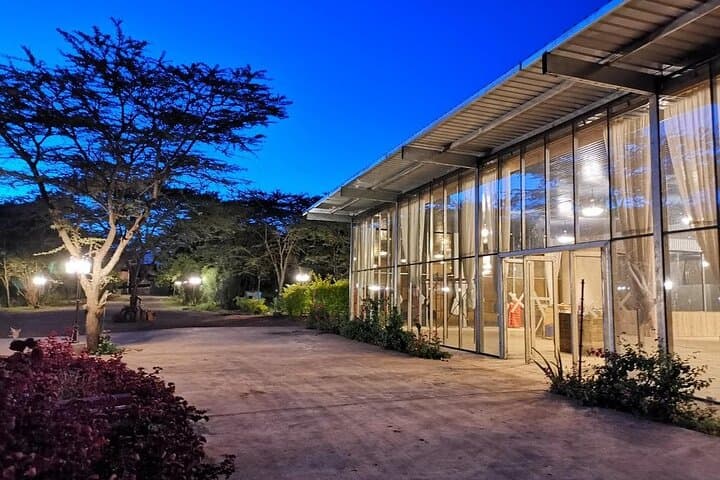
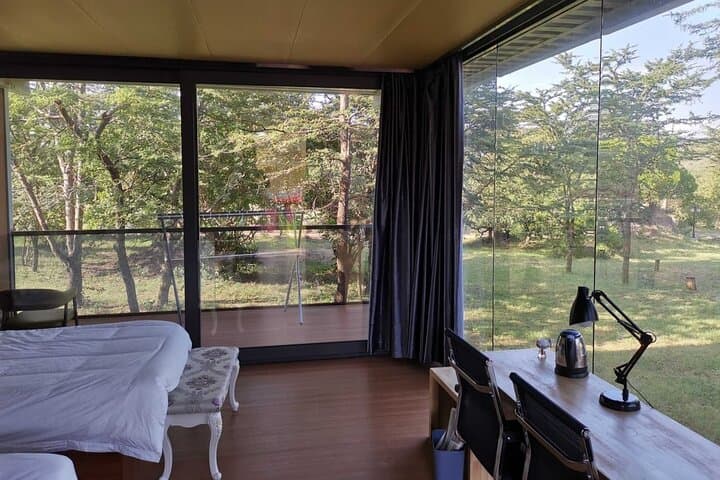
The road leaves Nairobi before sunrise, the city skyline shrinking as acacia silhouettes sharpen against the Rift Valley rim. By midmorning you stand at the viewpoint where a deep scar in the earth—Africa’s Great Rift Valley—unspools toward the horizon, then continue through red-dust tracks punctuated by Maasai manyattas and the occasional grazing zebra. Arrival at camp feels deliberate: a low hum of generators, the scent of coffee, and the promise of an evening game drive when lions shape the horizon.
Verified experiences and guided adventures in the surrounding area.
Operated by Delfin Tours · Narok, Narok County
The road leaves Nairobi before sunrise, the city skyline shrinking as acacia silhouettes sharpen against the Rift Valley rim. By midmorning you stand at the viewpoint where a deep scar in the earth—Africa’s Great Rift Valley—unspools toward the horizon, then continue through red-dust tracks punctuated by Maasai manyattas and the occasional grazing zebra. Arrival at camp feels deliberate: a low hum of generators, the scent of coffee, and the promise of an evening game drive when lions shape the horizon.
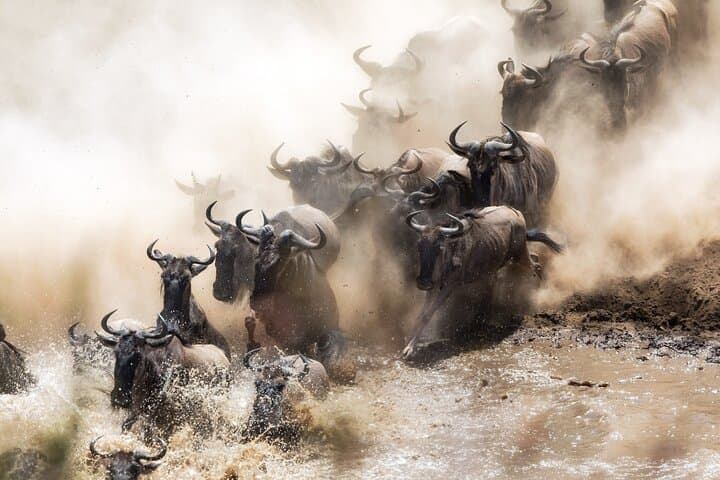
Maasai Mara was set aside in the 1960s and takes its name from the Maasai people and the local word "Mara," meaning spotted—an image born of sunlit grass and shadow. Geologically, the reserve sits on savanna carved by the Rift; ecologically it’s famous for the annual wildebeest migration and year-round populations of the Big Five. Cultural visits to a Maasai village add a human layer: song, spear demonstrations, and a look inside manyatta life at modest extra cost.
Practically, expect long drives between viewpoints, game drives at dawn and dusk, and flexible schedules that favor wildlife sightings over rigid itineraries. Bring a good pair of binoculars, sun protection, and layered clothing for cool mornings. Hydrate on the road and carry cash for park fees or village visits. Vehicles are 4x4 land cruisers with English-speaking guides; accessibility options exist but check ahead for specific mobility needs. For first-time safari-goers, prioritize early morning and late afternoon drives for predator activity, keep camera batteries charged, and follow ranger instructions around wildlife. This trip balances quiet camp evenings with high-stakes wildlife viewing—simple, transportive, and rigorously outdoors.
easy.
3 days.
Suitable for most fitness levels; expect multiple hours in a vehicle and short walks at camp and cultural sites
Consult your doctor—common recommendations include routine vaccines and consideration of yellow fever and malaria prophylaxis depending on your travel history and origin.
Tipping is customary; typical ranges are $10–20 per day for guides and smaller amounts for lodge staff, adjusted by group size and service level.
Yes—most itineraries offer an optional Maasai manyatta visit for a modest extra fee where you can observe cultural performances and daily life.
Some lodges and vehicles offer accessibility options—confirm in advance as terrain and some camps have steps and uneven surfaces.
Maasai Mara was officially designated in the 1960s and is named for the indigenous Maasai people and the Kisii word 'Mara' (spotted), reflecting the patchwork of light and shade on the plains.
Conservation relies on anti-poaching patrols and community partnerships; choose operators that contribute to local conservation and support Maasai community projects.
Delfin Tours operates guided outdoor trips and adventures with an emphasis on safety, stewardship, and memorable experiences.
The road leaves Nairobi before sunrise, the city skyline shrinking as acacia silhouettes sharpen against the Rift Valley rim. By midmorning you stand at the viewpoint where a deep scar in the earth—Africa’s Great Rift Valley—unspools toward the horizon, then continue through red-dust tracks punctuated by Maasai manyattas and the occasional grazing zebra. Arrival at camp feels deliberate: a low hum of generators, the scent of coffee, and the promise of an evening game drive when lions shape the horizon.
The road leaves Nairobi before sunrise, the city skyline shrinking as acacia silhouettes sharpen against the Rift Valley rim. By midmorning you stand at the viewpoint where a deep scar in the earth—Africa’s Great Rift Valley—unspools toward the horizon, then continue through red-dust tracks punctuated by Maasai manyattas and the occasional grazing zebra. Arrival at camp feels deliberate: a low hum of generators, the scent of coffee, and the promise of an evening game drive when lions shape the horizon.
Maasai Mara was set aside in the 1960s and takes its name from the Maasai people and the local word "Mara," meaning spotted—an image born of sunlit grass and shadow. Geologically, the reserve sits on savanna carved by the Rift; ecologically it’s famous for the annual wildebeest migration and year-round populations of the Big Five. Cultural visits to a Maasai village add a human layer: song, spear demonstrations, and a look inside manyatta life at modest extra cost.
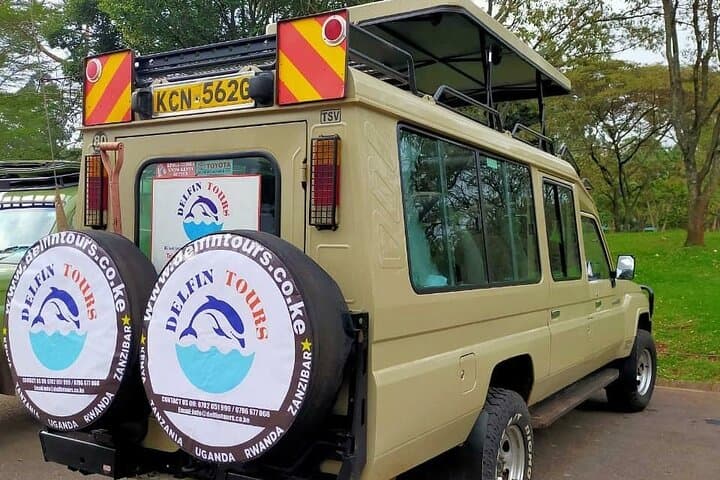
Practically, expect long drives between viewpoints, game drives at dawn and dusk, and flexible schedules that favor wildlife sightings over rigid itineraries. Bring a good pair of binoculars, sun protection, and layered clothing for cool mornings. Hydrate on the road and carry cash for park fees or village visits. Vehicles are 4x4 land cruisers with English-speaking guides; accessibility options exist but check ahead for specific mobility needs. For first-time safari-goers, prioritize early morning and late afternoon drives for predator activity, keep camera batteries charged, and follow ranger instructions around wildlife. This trip balances quiet camp evenings with high-stakes wildlife viewing—simple, transportive, and rigorously outdoors.