THE ADVENTURE COLLECTIVE® · Independent discovery and booking for outdoor travel

Three days of private, customizable exploration across Kyoto’s UNESCO temples, Arashiyama’s bamboo corridors and Nara’s deer-filled parks. A paced cultural tour ideal for travelers who want deep context and manageable walking each day.
Three days of private, customizable exploration across Kyoto’s UNESCO temples, Arashiyama’s bamboo corridors and Nara’s deer-filled parks. A paced cultural tour ideal for travelers who want deep context and manageable walking each day.
Morning light slips through vermilion torii as the guide leads a private group beneath Fushimi Inari’s stair-stepped gates; later, bamboo stalks in Arashiyama press close like quiet companions and deer in Nara wander as if keeping time with history. Over three full days this private, customizable tour threads Kyoto’s UNESCO sites with Arashiyama’s river valleys and Nara’s templeed parkland, offering a paced, ground-level encounter with Japan’s cultural core.
Verified experiences and guided adventures in the surrounding area.
Operated by Ahmed Abu Tayeh · Kyoto, Kyoto
Morning light slips through vermilion torii as the guide leads a private group beneath Fushimi Inari’s stair-stepped gates; later, bamboo stalks in Arashiyama press close like quiet companions and deer in Nara wander as if keeping time with history. Over three full days this private, customizable tour threads Kyoto’s UNESCO sites with Arashiyama’s river valleys and Nara’s templeed parkland, offering a paced, ground-level encounter with Japan’s cultural core.
Kyoto was Japan’s imperial capital for over a millennium; its wooden temples, stone pagodas and formal gardens reflect Heian and Edo-era tastes shaped by Shinto and Zen aesthetics. Arashiyama’s river corridor sits on older volcanic and sedimentary terraces that carve the Katsura and Hozu valleys—an easy stage for rivers that still guide seasonal color. Nara, older still, preserves monumental Buddhist architecture like Todaiji’s Great Buddha, a reminder of Japan’s continental exchanges in religion and craft.
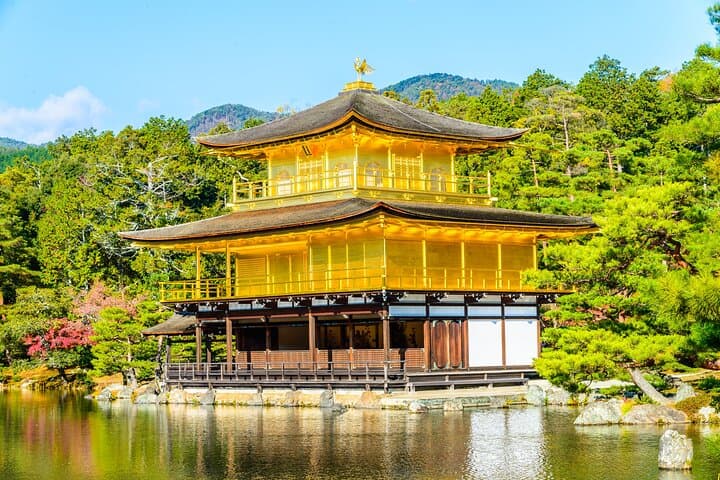
Expect steady walking on paved streets, temple steps, and compact forest trails; many sites require modest climbs and some uneven stone. The private guide customizes pacing, handles logistics and can arrange transport at extra cost—entrance fees and some transport may be additional. Practical notes: wear comfortable walking shoes, bring a light rain jacket, carry cash for small shrine stalls, and respect on-site etiquette (quiet voices, remove hats in certain buildings). Aim for early starts to avoid crowds at Kinkaku-ji and Fushimi Inari and leave flexible time in Arashiyama to take the Hozu-Gawa viewpoint.
This tour balances cultural depth with practical movement—an accessible, textured way to read Kyoto’s layered past while moving at a traveler-friendly rhythm.
easy.
20–24 hours (3 days).
Basic stamina for multiple half-day walks and short climbs; suitable for most fitness levels.
Basic guiding and local pickup in Kyoto are included, but private car, bullet train tickets from Tokyo, or port transfers are extra and payable as noted in the itinerary.
Yes — the tour is private and the guide will adjust times, add or omit stops, and tailor pacing to your interests with advance notice.
Admission fees and meals are generally not included unless specified; the guide can recommend restaurants and manage bookings, but expect to pay on site.
Many sites and the provided transportation options are wheelchair accessible, but some temples have steps and uneven paths—advance discussion helps the guide plan suitable alternatives.
Kyoto served as Japan’s capital from 794 to 1868 and preserves imperial palaces, Muromachi and Edo-period temples; Nara predates Kyoto and contains early Buddhist architecture influential across East Asia.
Visitors are urged to follow local rules—don’t feed wildlife except approved offerings, carry out trash, and stick to designated paths to protect temple gardens and riverbanks.
Ahmed Abu Tayeh operates guided outdoor trips and adventures with an emphasis on safety, stewardship, and memorable experiences.
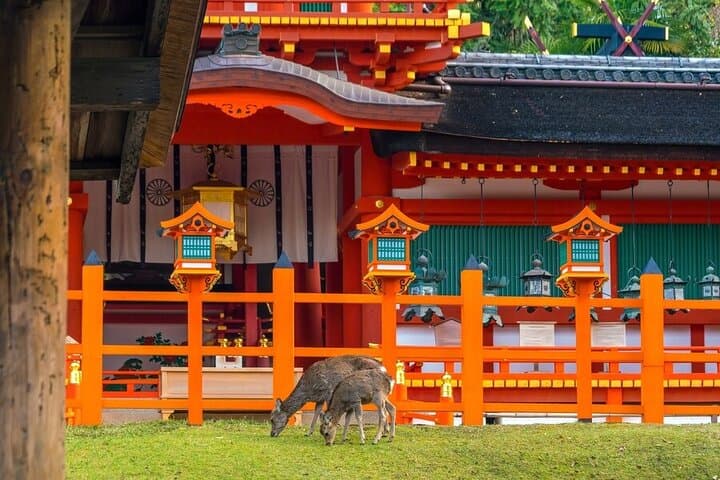
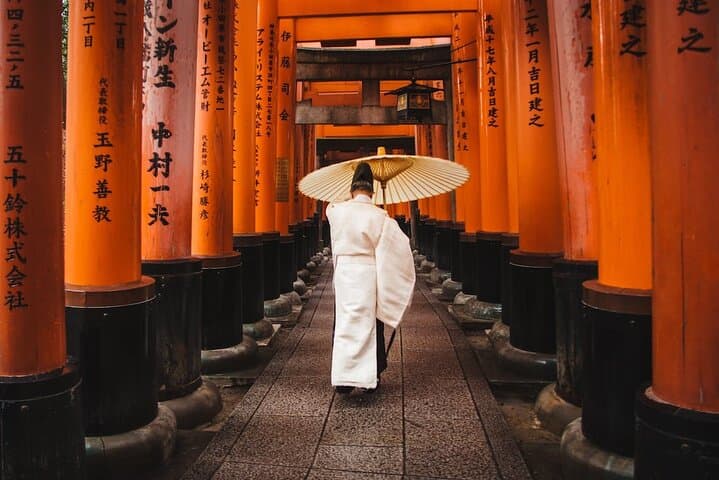
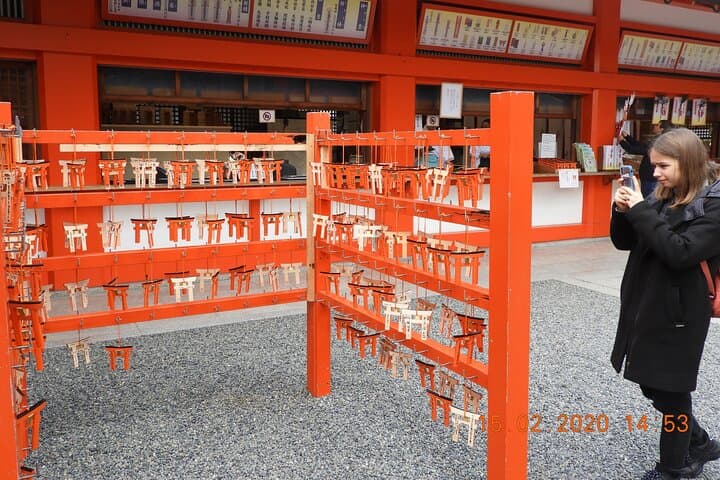
Morning light slips through vermilion torii as the guide leads a private group beneath Fushimi Inari’s stair-stepped gates; later, bamboo stalks in Arashiyama press close like quiet companions and deer in Nara wander as if keeping time with history. Over three full days this private, customizable tour threads Kyoto’s UNESCO sites with Arashiyama’s river valleys and Nara’s templeed parkland, offering a paced, ground-level encounter with Japan’s cultural core.
Morning light slips through vermilion torii as the guide leads a private group beneath Fushimi Inari’s stair-stepped gates; later, bamboo stalks in Arashiyama press close like quiet companions and deer in Nara wander as if keeping time with history. Over three full days this private, customizable tour threads Kyoto’s UNESCO sites with Arashiyama’s river valleys and Nara’s templeed parkland, offering a paced, ground-level encounter with Japan’s cultural core.
Kyoto was Japan’s imperial capital for over a millennium; its wooden temples, stone pagodas and formal gardens reflect Heian and Edo-era tastes shaped by Shinto and Zen aesthetics. Arashiyama’s river corridor sits on older volcanic and sedimentary terraces that carve the Katsura and Hozu valleys—an easy stage for rivers that still guide seasonal color. Nara, older still, preserves monumental Buddhist architecture like Todaiji’s Great Buddha, a reminder of Japan’s continental exchanges in religion and craft.
Expect steady walking on paved streets, temple steps, and compact forest trails; many sites require modest climbs and some uneven stone. The private guide customizes pacing, handles logistics and can arrange transport at extra cost—entrance fees and some transport may be additional. Practical notes: wear comfortable walking shoes, bring a light rain jacket, carry cash for small shrine stalls, and respect on-site etiquette (quiet voices, remove hats in certain buildings). Aim for early starts to avoid crowds at Kinkaku-ji and Fushimi Inari and leave flexible time in Arashiyama to take the Hozu-Gawa viewpoint.
This tour balances cultural depth with practical movement—an accessible, textured way to read Kyoto’s layered past while moving at a traveler-friendly rhythm.