THE ADVENTURE COLLECTIVE® · Independent discovery and booking for outdoor travel

Drive the High Atlas, sleep under the stars and cross Erg Chebbi on camelback on this private 3‑day tour from Marrakech. Expect dramatic gorges, UNESCO ksars and desert sunrises with comfortable transfers and camp bedding included.
Drive the High Atlas, sleep under the stars and cross Erg Chebbi on camelback on this private 3‑day tour from Marrakech. Expect dramatic gorges, UNESCO ksars and desert sunrises with comfortable transfers and camp bedding included.
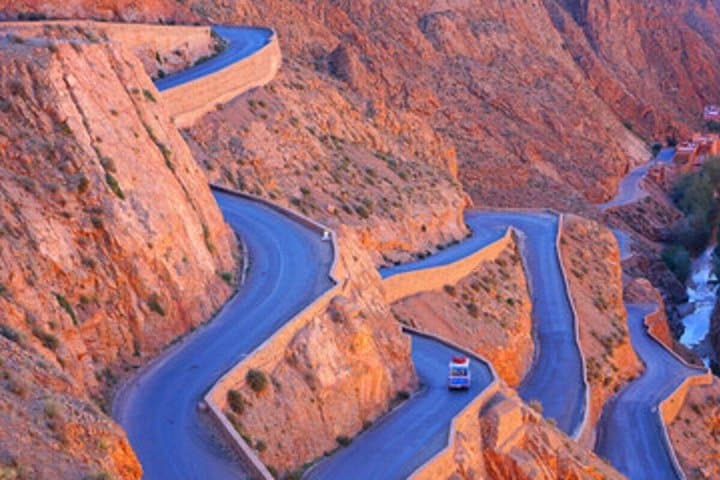
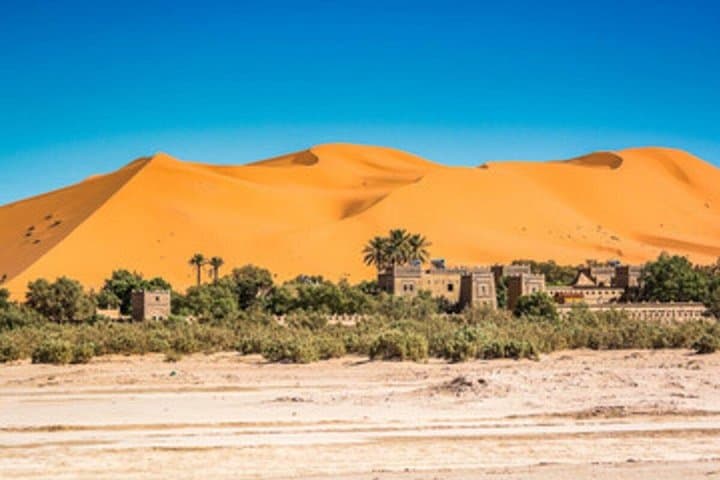
The road unwinds out of Marrakech, ribboning up and over Tizi n’Tichka where wind and stone sharpen the air at 2,260 m, then unfurls through ochre valleys until the dunes of Erg Chebbi rise like a moving shore.
Verified experiences and guided adventures in the surrounding area.
Operated by BOOKING LINKS · Merzouga, Drâa-Tafilalet
The road unwinds out of Marrakech, ribboning up and over Tizi n’Tichka where wind and stone sharpen the air at 2,260 m, then unfurls through ochre valleys until the dunes of Erg Chebbi rise like a moving shore.
On day one the drive slices through mountain villages and the fortified ksar of Aït Ben Haddou — a UNESCO mud-brick stronghold that still reads like a medieval film set — before you drop into Ouarzazate and the irrigated terraces of the Valley of the Roses and Dades.
Geology here shifts fast: folded High Atlas limestone gives way to the alluvial plains and wind-sculpted sands of the Sahara. Culturally, the route follows ancient caravan arteries; Berber villages and palm-grove towns still trade in dates, clayware and mint tea. In Merzouga the desert takes the lead: camel tracks mark the approach, and the dunes throw brilliant shadows at sunset and a hush at sunrise.
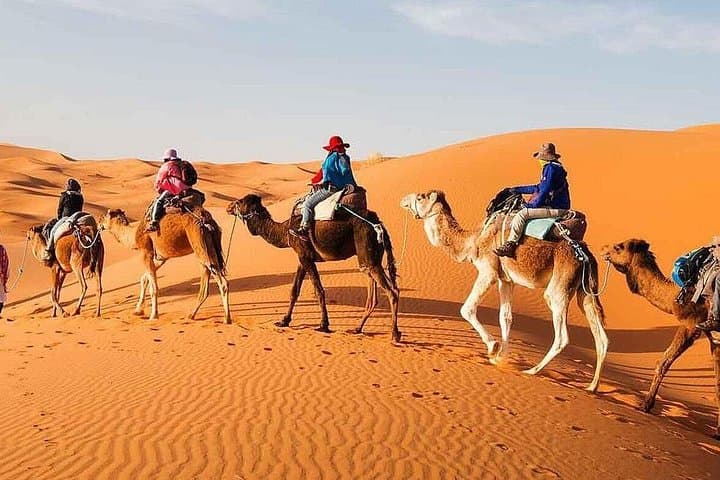
Practically, the trip is built around long drives broken by short hikes, photo stops and a 90-minute camel trek to a private Berber camp. Expect paved roads for most of the route, a sandy approach near camps, and cool nights even after hot days. The operator provides hotel transfers, water, tents with bedding and guided drives.
Bring layered clothing for temperature swings, sun protection and a reliable pair of walking shoes. Time photography for golden hour on the dunes, and leave space in your pack for water, a scarf to block windblown sand, and respect for local customs when visiting villages.
easy.
3 days.
Suitable for travelers in average health; involves long vehicle transfers, short walks, and a 90‑minute camel ride.
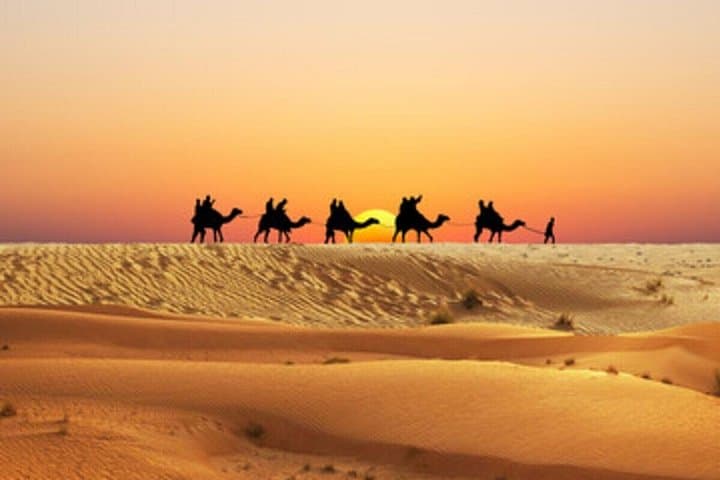
The sunset camel trek to the desert camp is about 90 minutes each way and paced for comfort; saddles are simple straw or padded seats.
Yes — nights are split between riads/kasbahs with private rooms and a desert camp that offers private tents with bedding.
The operator lists the tour as suitable for all fitness levels; camel rides and desert sand can be challenging for some—ask about alternative transport options to the camp if needed.
Visas depend on your nationality; no special permits are required for the route itself, but carry ID and check Morocco entry rules before travel.
The route follows historic caravan links between sub‑Saharan trade routes and North African cities; Aït Ben Haddou was an important stop and later became a famed film location.
The desert ecosystem is fragile—avoid off-track driving on dunes, reduce plastic use, and choose camps that use water‑saving and solar practices.
BOOKING LINKS operates guided outdoor trips and adventures with an emphasis on safety, stewardship, and memorable experiences.
The road unwinds out of Marrakech, ribboning up and over Tizi n’Tichka where wind and stone sharpen the air at 2,260 m, then unfurls through ochre valleys until the dunes of Erg Chebbi rise like a moving shore.
The road unwinds out of Marrakech, ribboning up and over Tizi n’Tichka where wind and stone sharpen the air at 2,260 m, then unfurls through ochre valleys until the dunes of Erg Chebbi rise like a moving shore.
On day one the drive slices through mountain villages and the fortified ksar of Aït Ben Haddou — a UNESCO mud-brick stronghold that still reads like a medieval film set — before you drop into Ouarzazate and the irrigated terraces of the Valley of the Roses and Dades.
Geology here shifts fast: folded High Atlas limestone gives way to the alluvial plains and wind-sculpted sands of the Sahara. Culturally, the route follows ancient caravan arteries; Berber villages and palm-grove towns still trade in dates, clayware and mint tea. In Merzouga the desert takes the lead: camel tracks mark the approach, and the dunes throw brilliant shadows at sunset and a hush at sunrise.
Practically, the trip is built around long drives broken by short hikes, photo stops and a 90-minute camel trek to a private Berber camp. Expect paved roads for most of the route, a sandy approach near camps, and cool nights even after hot days. The operator provides hotel transfers, water, tents with bedding and guided drives.
Bring layered clothing for temperature swings, sun protection and a reliable pair of walking shoes. Time photography for golden hour on the dunes, and leave space in your pack for water, a scarf to block windblown sand, and respect for local customs when visiting villages.