THE ADVENTURE COLLECTIVE® · Independent discovery and booking for outdoor travel

Spend three days living and working alongside coffee families around Filadelfia, Caldas. Learn roasting, grinding, and panela production while exploring bamboo groves and cooperative export processes.
Spend three days living and working alongside coffee families around Filadelfia, Caldas. Learn roasting, grinding, and panela production while exploring bamboo groves and cooperative export processes.
Dawn pulls a cool breath over the slopes and the first light slides along rows of coffee bushes. The air smells of wet earth and fresh roast as you walk from a traditional house toward the finca where families have tended beans for generations. Mornings here are deliberate—a rhythm set by harvesting, roasting, and the slow mechanical pulse of a trapiche making panela.
Verified experiences and guided adventures in the surrounding area.
Operated by Authentic Coffee Experiences · Filadelfia, Caldas
Dawn pulls a cool breath over the slopes and the first light slides along rows of coffee bushes. The air smells of wet earth and fresh roast as you walk from a traditional house toward the finca where families have tended beans for generations. Mornings here are deliberate—a rhythm set by harvesting, roasting, and the slow mechanical pulse of a trapiche making panela.
The Coffee Triangle’s steep valleys and volcanic soils cradle Filadelfia at roughly 1,800 meters altitude, a landscape shaped by uplift and erosion that creates the high-drainage soils prized for Arabica. Coffee culture in Caldas dates to the 19th century and the region contributed to Colombia’s coffee-export boom; cooperatives now weave production with community governance and export logistics.
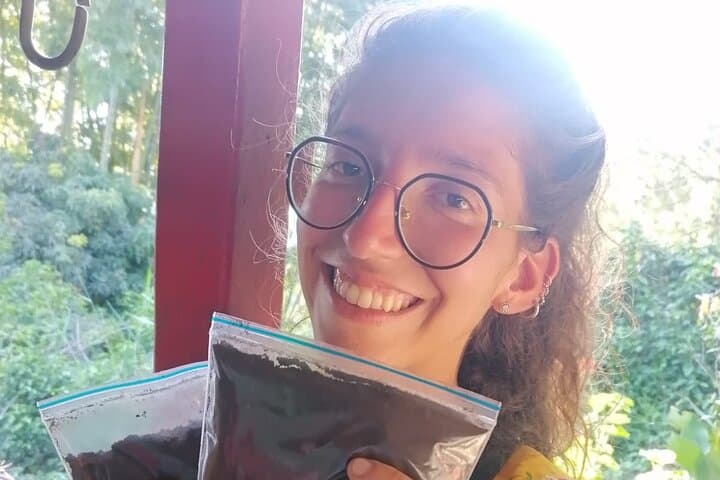
Over three days you’ll cup, roast, and grind beans by hand, visit a cooperative to see export procedures, and learn panela-making at a trapiche. Guaduales—groves of bamboo—offer a green contrast and reveal local uses of bamboo in farms and houses. Hosts serve Bandeja Paisa and simple breakfasts that reflect rural life.
Practical side: plan for early starts (5:30 AM), uneven farm tracks, and moderate physical tasks like carrying sacks and stomping cherries. Temperatures swing—cool mornings and warm afternoons—so layers and a light rain shell are essential. Bring cash for small purchases and a reusable water bottle. Respect family routines: ask before photographing people or work areas. With a moderate level of fitness and curiosity, this private program turns coffee production from abstract idea into hands-on practice, leaving you with packaged beans you helped make and a clearer sense of how coffee roots a community.
moderate.
3 days.
Participants should be comfortable walking uneven terrain, standing for several hours, and assisting with light farm work.
Three breakfasts and three lunches are included; typical meals include local dishes like Bandeja Paisa and family-prepared breakfasts.
Infants and small children can participate but the program involves early mornings and physical tasks; check with the operator for age recommendations.
No—this is hands-on but beginner-friendly; hosts guide you through roasting, grinding, and cupping processes.
Yes—stays are in traditional family houses with basic comforts and scenic views at approximately 1,800 meters elevation.
Caldas was central to Colombia’s coffee expansion in the 19th and 20th centuries; local cooperatives now blend tradition with export infrastructure.
Many farms here practice agroecology and shade-grown coffee to preserve biodiversity; guests are encouraged to minimize waste and respect water sources.
Authentic Coffee Experiences operates guided outdoor trips and adventures with an emphasis on safety, stewardship, and memorable experiences.
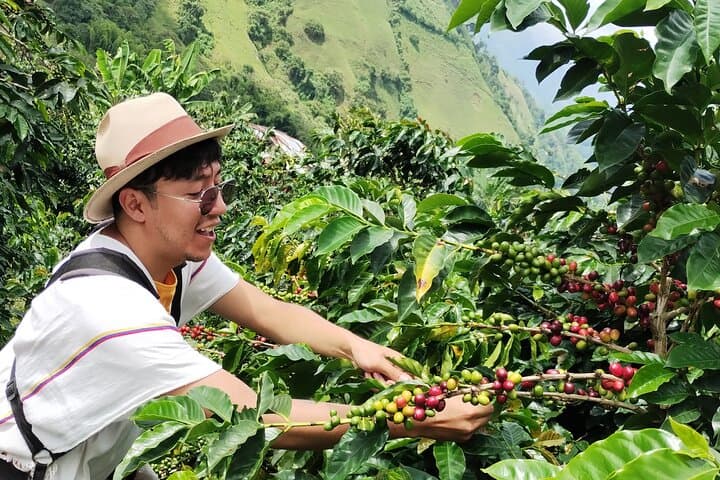
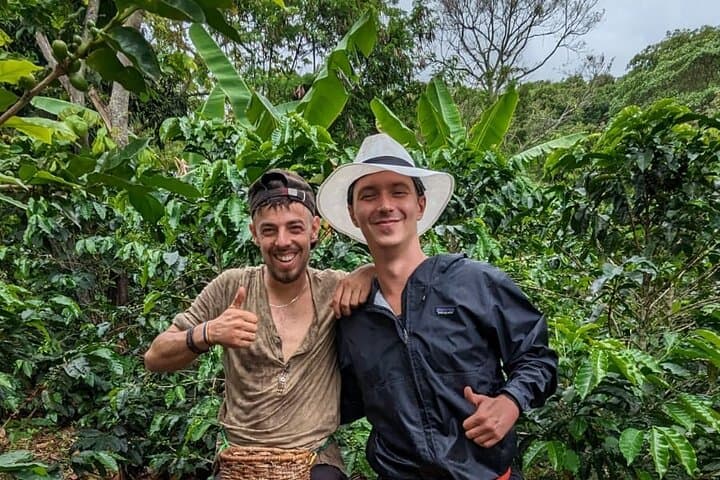
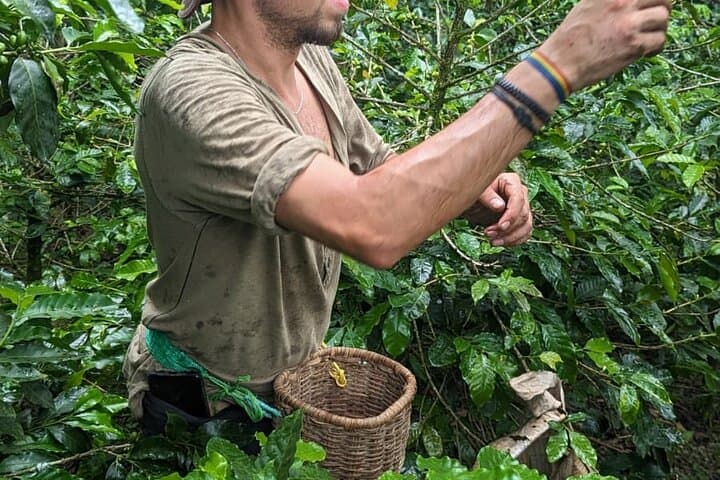
Dawn pulls a cool breath over the slopes and the first light slides along rows of coffee bushes. The air smells of wet earth and fresh roast as you walk from a traditional house toward the finca where families have tended beans for generations. Mornings here are deliberate—a rhythm set by harvesting, roasting, and the slow mechanical pulse of a trapiche making panela.
Dawn pulls a cool breath over the slopes and the first light slides along rows of coffee bushes. The air smells of wet earth and fresh roast as you walk from a traditional house toward the finca where families have tended beans for generations. Mornings here are deliberate—a rhythm set by harvesting, roasting, and the slow mechanical pulse of a trapiche making panela.
The Coffee Triangle’s steep valleys and volcanic soils cradle Filadelfia at roughly 1,800 meters altitude, a landscape shaped by uplift and erosion that creates the high-drainage soils prized for Arabica. Coffee culture in Caldas dates to the 19th century and the region contributed to Colombia’s coffee-export boom; cooperatives now weave production with community governance and export logistics.
Over three days you’ll cup, roast, and grind beans by hand, visit a cooperative to see export procedures, and learn panela-making at a trapiche. Guaduales—groves of bamboo—offer a green contrast and reveal local uses of bamboo in farms and houses. Hosts serve Bandeja Paisa and simple breakfasts that reflect rural life.
Practical side: plan for early starts (5:30 AM), uneven farm tracks, and moderate physical tasks like carrying sacks and stomping cherries. Temperatures swing—cool mornings and warm afternoons—so layers and a light rain shell are essential. Bring cash for small purchases and a reusable water bottle. Respect family routines: ask before photographing people or work areas. With a moderate level of fitness and curiosity, this private program turns coffee production from abstract idea into hands-on practice, leaving you with packaged beans you helped make and a clearer sense of how coffee roots a community.