THE ADVENTURE COLLECTIVE® · Independent discovery and booking for outdoor travel

Three full-day excursions from Salta link sculpted canyons, high desert pueblos and the striped ridges of Hornocal. Expect long days, dramatic geology and chances to taste Torrontés in Cafayate.
Three full-day excursions from Salta link sculpted canyons, high desert pueblos and the striped ridges of Hornocal. Expect long days, dramatic geology and chances to taste Torrontés in Cafayate.
You step off the bus into a high, dry light that seems to sharpen colors—terracotta houses, rust-red escarpments, and a ribbon of road that guts the valley. Over three long days from Salta, this promotion strings together some of northwest Argentina’s most photogenic stops: the sculpted rock galleries of the Quebrada de las Conchas on the road to Cafayate, the stony quiet of the Valles Calchaquíes and Parque Nacional Los Cardones on the way to Cachi, and the spectral, banded ridges of the Serranía del Hornocal above Humahuaca.
Verified experiences and guided adventures in the surrounding area.
Operated by AGENCIA DE TURISMO TIAMAR EVT · Salta, Salta
You step off the bus into a high, dry light that seems to sharpen colors—terracotta houses, rust-red escarpments, and a ribbon of road that guts the valley. Over three long days from Salta, this promotion strings together some of northwest Argentina’s most photogenic stops: the sculpted rock galleries of the Quebrada de las Conchas on the road to Cafayate, the stony quiet of the Valles Calchaquíes and Parque Nacional Los Cardones on the way to Cachi, and the spectral, banded ridges of the Serranía del Hornocal above Humahuaca.
The geography here is honest and old: Andean uplift and erosion have peeled back layers of sediment so that each hill reports a different chapter—red siltstone, pale limestone, greenish clay—readable from the road. The Quebrada de Humahuaca is a UNESCO World Heritage landscape shaped by centuries of trade routes and indigenous settlement; every village you pass—Purmamarca, Tilcara, Humahuaca—keeps a blend of pre-Columbian and colonial history in its plazas, markets and churches.
Cafayate is wine country at altitude, where Torrontés vines hug terraces and cellars open for tastings; Cachi, by contrast, feels like a pause—a cobbled plaza, whitewashed facades, and access to Cardones National Park, where columnar cactus punctuate slopes. Hornocal’s famous “Fourteen Colors” are not a trick of light but iron-rich strata exposed by tectonic action; the viewpoint rewards early risers with a dizzying, layered panorama.
This package is pragmatic: three full-day excursions, hotel pickup in Salta, an air-conditioned vehicle and a local guide. Days are long—expect 10–12 hour outings with photo stops, short hikes and time to browse town markets or eat a local lunch. Altitude varies; bring time to acclimatize if you’ve just arrived.
Practical notes: hydrate relentlessly, use sun protection, and keep small-currency pesos for market stalls and church donations. Comfortable, broken-in shoes are fine—most walking is short and on uneven village streets or lookout platforms. If you want wine tastings in Cafayate, budget time and book cellar visits in advance.
For travelers who value landscape storytelling, this three-day rotation is efficient and sensory: geological theatre, highland culture and quiet stretches of road that make long drives feel like a procession. It’s an ideal orientation to northern Argentina’s dramatic northwestern circuit—visually intense, historically rich, and easily paced for anyone ready to trade late starts for full days of discovery.
moderate.
3 days (approx. 12 hours per day).
Good baseline fitness for long days on buses and short walks; stamina for standing and short hikes at altitude is recommended
Lunches are generally on your own—guides provide restaurant recommendations and some stops include free time for eating.
Pickup starts between 7:00 and 7:45 a.m.; confirm your hotel pickup point when you book.
The tour is rated suitable for all physical fitness levels, but expect long days and some bumpy road travel; children and seniors should consider pace and altitude.
Yes—a current valid passport is required on the day of travel for identification and any checkpoints.
Yes, the Cafayate day includes a winery visit and free time—but reserve specific tastings in advance if you have a winery in mind.
Symptoms can appear above 2,500 m; pace yourself, hydrate, avoid alcohol the first day and consult a doctor about preventative medication if you have concerns.
The Quebrada de Humahuaca route has been a cultural corridor for millennia—pre-Columbian trade routes later threaded into Spanish colonial networks that shaped the towns you visit.
High-altitude shrubland and puna species are fragile; follow leave-no-trace rules, stick to trails and avoid buying items made from protected wildlife.
AGENCIA DE TURISMO TIAMAR EVT operates guided outdoor trips and adventures with an emphasis on safety, stewardship, and memorable experiences.


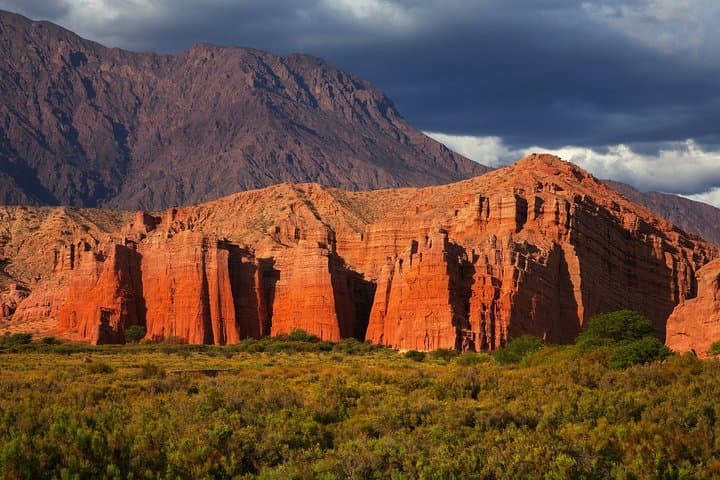
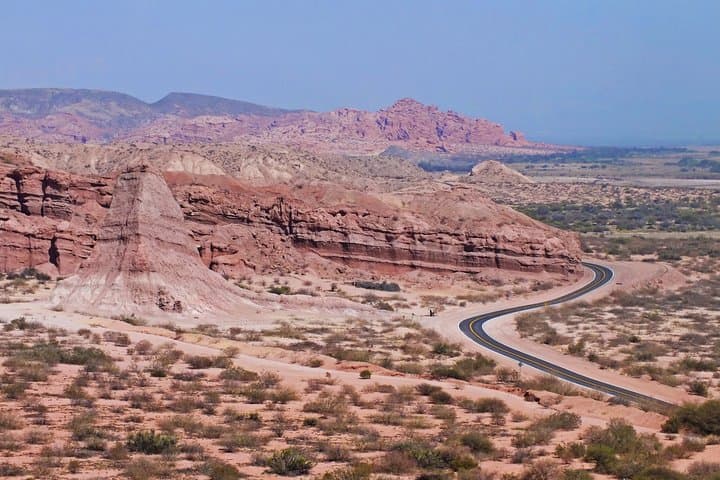
You step off the bus into a high, dry light that seems to sharpen colors—terracotta houses, rust-red escarpments, and a ribbon of road that guts the valley. Over three long days from Salta, this promotion strings together some of northwest Argentina’s most photogenic stops: the sculpted rock galleries of the Quebrada de las Conchas on the road to Cafayate, the stony quiet of the Valles Calchaquíes and Parque Nacional Los Cardones on the way to Cachi, and the spectral, banded ridges of the Serranía del Hornocal above Humahuaca.
You step off the bus into a high, dry light that seems to sharpen colors—terracotta houses, rust-red escarpments, and a ribbon of road that guts the valley. Over three long days from Salta, this promotion strings together some of northwest Argentina’s most photogenic stops: the sculpted rock galleries of the Quebrada de las Conchas on the road to Cafayate, the stony quiet of the Valles Calchaquíes and Parque Nacional Los Cardones on the way to Cachi, and the spectral, banded ridges of the Serranía del Hornocal above Humahuaca.
The geography here is honest and old: Andean uplift and erosion have peeled back layers of sediment so that each hill reports a different chapter—red siltstone, pale limestone, greenish clay—readable from the road. The Quebrada de Humahuaca is a UNESCO World Heritage landscape shaped by centuries of trade routes and indigenous settlement; every village you pass—Purmamarca, Tilcara, Humahuaca—keeps a blend of pre-Columbian and colonial history in its plazas, markets and churches.
Cafayate is wine country at altitude, where Torrontés vines hug terraces and cellars open for tastings; Cachi, by contrast, feels like a pause—a cobbled plaza, whitewashed facades, and access to Cardones National Park, where columnar cactus punctuate slopes. Hornocal’s famous “Fourteen Colors” are not a trick of light but iron-rich strata exposed by tectonic action; the viewpoint rewards early risers with a dizzying, layered panorama.
This package is pragmatic: three full-day excursions, hotel pickup in Salta, an air-conditioned vehicle and a local guide. Days are long—expect 10–12 hour outings with photo stops, short hikes and time to browse town markets or eat a local lunch. Altitude varies; bring time to acclimatize if you’ve just arrived.
Practical notes: hydrate relentlessly, use sun protection, and keep small-currency pesos for market stalls and church donations. Comfortable, broken-in shoes are fine—most walking is short and on uneven village streets or lookout platforms. If you want wine tastings in Cafayate, budget time and book cellar visits in advance.
For travelers who value landscape storytelling, this three-day rotation is efficient and sensory: geological theatre, highland culture and quiet stretches of road that make long drives feel like a procession. It’s an ideal orientation to northern Argentina’s dramatic northwestern circuit—visually intense, historically rich, and easily paced for anyone ready to trade late starts for full days of discovery.