THE ADVENTURE COLLECTIVE® · Independent discovery and booking for outdoor travel

Three days of classic northern Tanzania safari: Tarangire’s elephant herds, Ngorongoro’s crater-floor ecosystem, and Lake Manyara’s forest lions and flamingos. Expect early starts, long drives, and concentrated wildlife viewing with campsite or lodge nights.
Three days of classic northern Tanzania safari: Tarangire’s elephant herds, Ngorongoro’s crater-floor ecosystem, and Lake Manyara’s forest lions and flamingos. Expect early starts, long drives, and concentrated wildlife viewing with campsite or lodge nights.
Dawn spills silver across the crater rim as your safari vehicle eases away from Arusha and the highway gives up to red earth and acacia silhouettes.
Verified experiences and guided adventures in the surrounding area.
Operated by Cubs Expeditions Limited · Arusha, Arusha Region
Dawn spills silver across the crater rim as your safari vehicle eases away from Arusha and the highway gives up to red earth and acacia silhouettes.
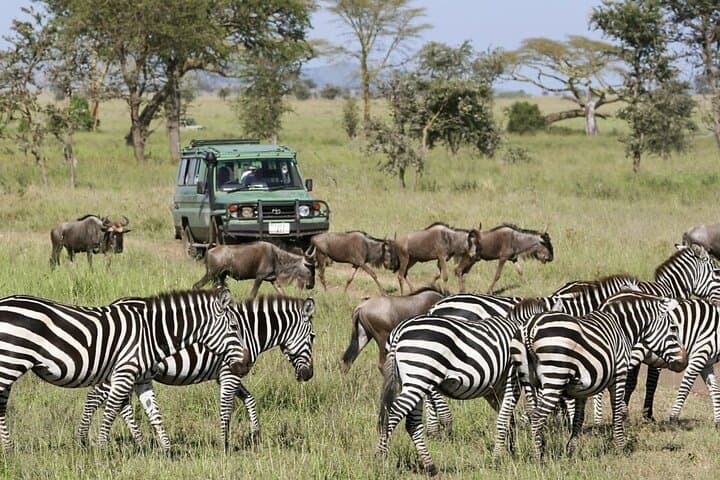
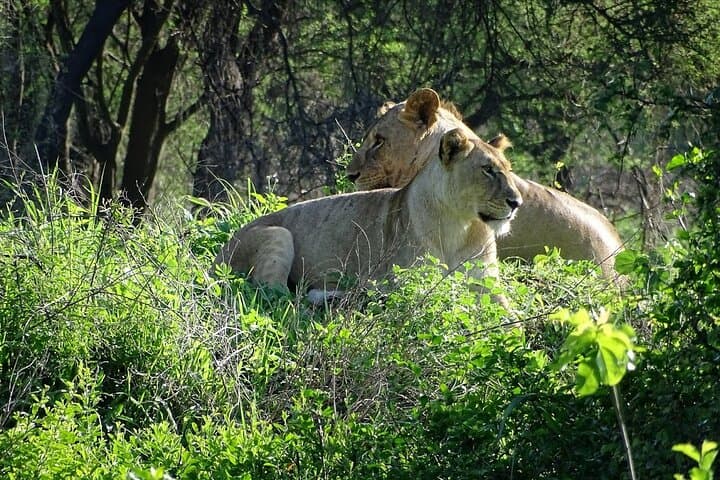
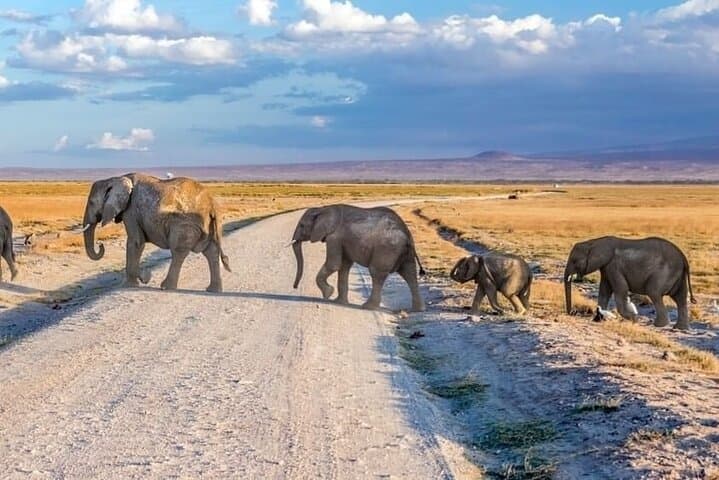
Over three days you move through three distinct Tanzanian ecosystems: the spiny baobab-studded plains of Tarangire where elephants gather in large herds, the volcanic basin of Ngorongoro whose sunken floor concentrates grazers and predators, and the gallery forests and alkaline shallows of Lake Manyara where tree-climbing lions and flocks of flamingos shape the skyline.
Geology is visible at human scale: Ngorongoro is a collapsed volcanic caldera, rimmed at roughly 2,200 m with the crater floor dropping to around 1,800 m, creating an enclosed habitat that supports dense wildlife year-round. Cultural notes thread through the route — Maasai bomas and pastoral land use frame the parks and offer context for conservation and tourism economies.
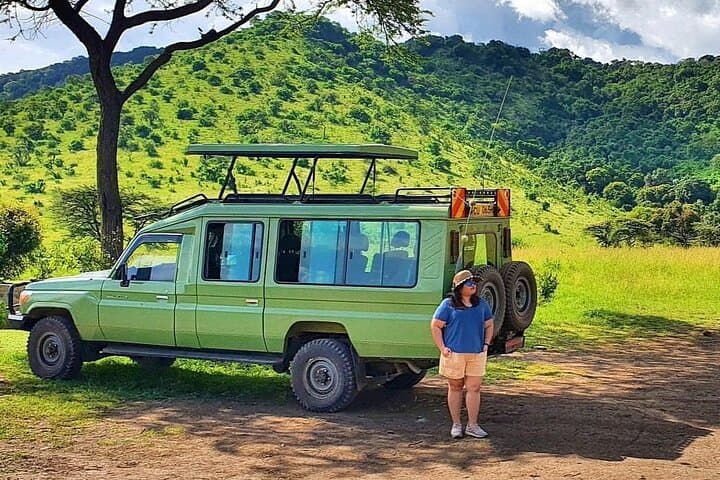
Practically, expect game drives at first light and late afternoon, picnic lunches, and campsite or basic lodge nights at Jambo or Fanaka camps. Drives between parks are substantial (roughly 2–4 hours depending on route and stops) so plan for long vehicle time and early departures.
Bring neutral clothing, give your camera patience for low-light shots, and keep water and insect repellent handy. Guides manage park permits and fees, but carry small local currency for tips and incidental purchases. The rhythm of the trip alternates patient watching with sudden motion — a pride on the move, an elephant wandering between baobabs — and that alternation is the point: long views interrupted by sharp wildlife moments.
easy.
3 days.
Suitable for people who can sit for long drives and do short walks; not physically demanding but expect early mornings and uneven ground on short walks.
Yes — the itinerary lists park fees, accommodation, transportation and most meals as included in the tour price.
The trip departs from Arusha (pickup details are confirmed at booking) and returns to Arusha on day three, typically mid- to late afternoon.
The tour notes wheelchair and stroller accessibility and is rated suitable for all physical fitness levels; contact the operator for specifics about vehicle access and assistance needs.
Roads inside parks can be rough, especially during rainy months; expect dusty conditions in the dry season and slower travel when roads are wet.
Ngorongoro’s caldera formed from a massive volcanic eruption and collapse roughly 2–3 million years ago; surrounding lands are traditionally Maasai grazing territory.
Parks balance tourism revenue with conservation and community programs; stick to vehicle routes and follow guide instructions to minimize wildlife disturbance.
Cubs Expeditions Limited operates guided outdoor trips and adventures with an emphasis on safety, stewardship, and memorable experiences.
Dawn spills silver across the crater rim as your safari vehicle eases away from Arusha and the highway gives up to red earth and acacia silhouettes.
Dawn spills silver across the crater rim as your safari vehicle eases away from Arusha and the highway gives up to red earth and acacia silhouettes.
Over three days you move through three distinct Tanzanian ecosystems: the spiny baobab-studded plains of Tarangire where elephants gather in large herds, the volcanic basin of Ngorongoro whose sunken floor concentrates grazers and predators, and the gallery forests and alkaline shallows of Lake Manyara where tree-climbing lions and flocks of flamingos shape the skyline.
Geology is visible at human scale: Ngorongoro is a collapsed volcanic caldera, rimmed at roughly 2,200 m with the crater floor dropping to around 1,800 m, creating an enclosed habitat that supports dense wildlife year-round. Cultural notes thread through the route — Maasai bomas and pastoral land use frame the parks and offer context for conservation and tourism economies.
Practically, expect game drives at first light and late afternoon, picnic lunches, and campsite or basic lodge nights at Jambo or Fanaka camps. Drives between parks are substantial (roughly 2–4 hours depending on route and stops) so plan for long vehicle time and early departures.
Bring neutral clothing, give your camera patience for low-light shots, and keep water and insect repellent handy. Guides manage park permits and fees, but carry small local currency for tips and incidental purchases. The rhythm of the trip alternates patient watching with sudden motion — a pride on the move, an elephant wandering between baobabs — and that alternation is the point: long views interrupted by sharp wildlife moments.