THE ADVENTURE COLLECTIVE® · Independent discovery and booking for outdoor travel

Cross the High Atlas, hike narrow gorges and sleep beneath an immense desert sky on this 2-night Merzouga tour. Expect camel treks, optional quad rides and a traditional bivouac that puts you close to Berber culture and shifting dunes.
Cross the High Atlas, hike narrow gorges and sleep beneath an immense desert sky on this 2-night Merzouga tour. Expect camel treks, optional quad rides and a traditional bivouac that puts you close to Berber culture and shifting dunes.
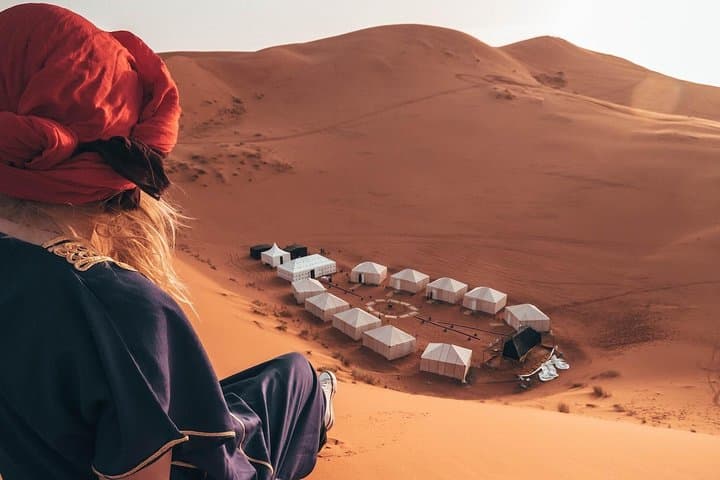
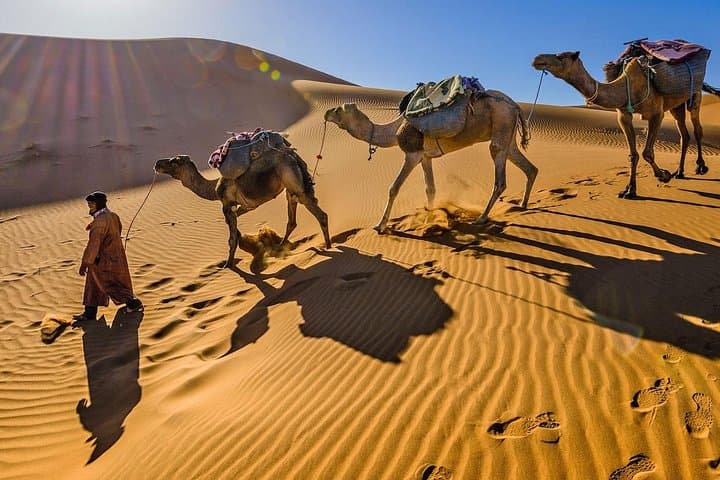
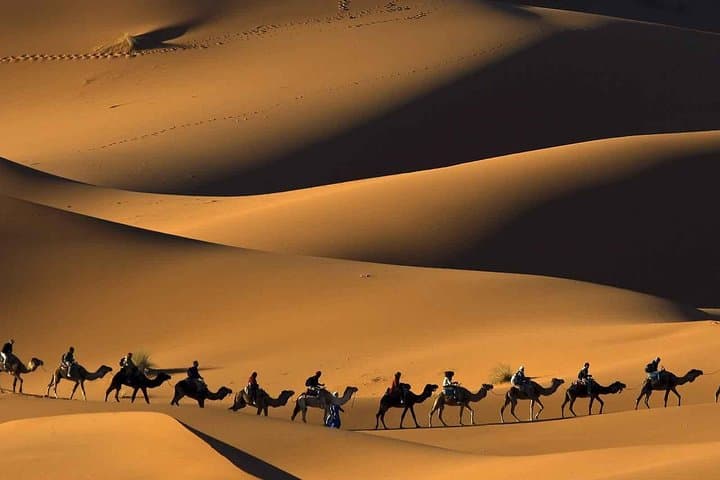
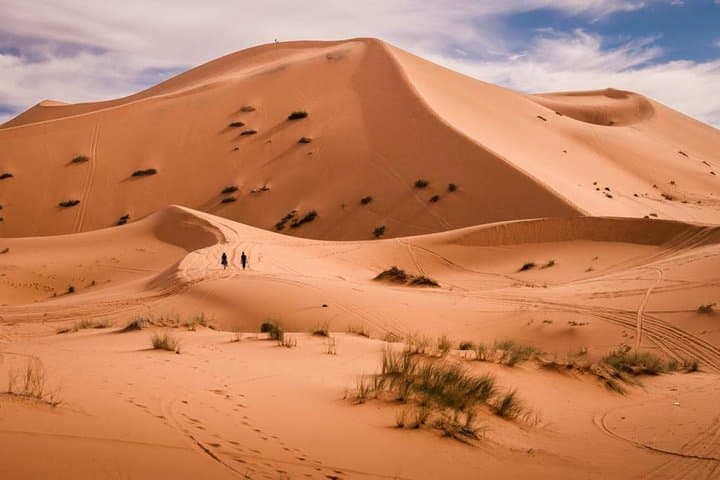
You arrive as the highway loosens and the land opens into a granulated sea: wind-sculpted dunes climb like pale waves and the air smells faintly of dust and thyme. Evening in Merzouga brings a slow copper light that tests your shadow against the sand as camels plod toward a distant ring of tents.
Verified experiences and guided adventures in the surrounding area.
Operated by Historic Marrakech Tours · Merzouga, Errachidia
You arrive as the highway loosens and the land opens into a granulated sea: wind-sculpted dunes climb like pale waves and the air smells faintly of dust and thyme. Evening in Merzouga brings a slow copper light that tests your shadow against the sand as camels plod toward a distant ring of tents.
This 2-night, 3-day route threads classical southern Morocco — high atlas passes, fortified kasbahs such as Aït Ben Haddou and Ouarzazate’s film studios — before dropping into the Sahara’s Erg Chebbi. Geologically, the dunes are recent Quaternary deposits fed by Atlas erosion and prevailing winds; dunes here can shift metres after a single season. Culturally, the region is shaped by Berber (Amazigh) communities and caravan history, with hospitality and storytelling central to village life.
Expect activities like guided camel treks at dusk, a bivouac under a widely scattering sky, optional quad-bike for the restless, and visits to Todra and Dades gorges on the way. Nights in desert tents are cold and clear; the day is hot and reflective.
Practical guidance: pack layers, a sun hat, and durable footwear for sand and rock. Stay hydrated and pace walks on steep slipfaces of dunes; avoid midday exertion. Respect local traditions—ask before photographing people—and follow guides on vehicle and quad routes to reduce cross-country damage. If you have back or heart issues, consider alternative arrangements: camel saddles and dune descents can be jarring. With modest preparation, this trip pairs rugged landscape with manageable logistics for adventurous travelers.
moderate.
3 days.
Moderate fitness: able to handle several hours of walking on uneven sand and short climbs; comfortable mounting camels.
The drive is long—typically 9–10 hours including stops and sightseeing (Aït Ben Haddou, Dades/Todra gorges); many operators include staged stops over the three days.
Quad bike options are usually available as an add-on; basic instruction is provided but riders should be comfortable with off-road controls and safety rules.
Accommodation includes a hotel/riad on the first night and a traditional desert bivouac—simple tents or nomad-style camps with sleeping mats or basic beds and shared facilities.
Children can participate but camel rides and sand travel can be bumpy; people with spinal or cardiovascular issues should avoid camel treks and seek alternatives or medical advice.
This corridor links historic caravan routes between Saharan oases and the Atlas highlands; sites like Aït Ben Haddou grew as fortified stops and film locations in the 20th century.
Stick to marked tracks for quad riding and follow guides to avoid trampling cryptobiotic soil; water is scarce, so minimize waste and carry out plastics.
Historic Marrakech Tours operates guided outdoor trips and adventures with an emphasis on safety, stewardship, and memorable experiences.
You arrive as the highway loosens and the land opens into a granulated sea: wind-sculpted dunes climb like pale waves and the air smells faintly of dust and thyme. Evening in Merzouga brings a slow copper light that tests your shadow against the sand as camels plod toward a distant ring of tents.
You arrive as the highway loosens and the land opens into a granulated sea: wind-sculpted dunes climb like pale waves and the air smells faintly of dust and thyme. Evening in Merzouga brings a slow copper light that tests your shadow against the sand as camels plod toward a distant ring of tents.
This 2-night, 3-day route threads classical southern Morocco — high atlas passes, fortified kasbahs such as Aït Ben Haddou and Ouarzazate’s film studios — before dropping into the Sahara’s Erg Chebbi. Geologically, the dunes are recent Quaternary deposits fed by Atlas erosion and prevailing winds; dunes here can shift metres after a single season. Culturally, the region is shaped by Berber (Amazigh) communities and caravan history, with hospitality and storytelling central to village life.
Expect activities like guided camel treks at dusk, a bivouac under a widely scattering sky, optional quad-bike for the restless, and visits to Todra and Dades gorges on the way. Nights in desert tents are cold and clear; the day is hot and reflective.
Practical guidance: pack layers, a sun hat, and durable footwear for sand and rock. Stay hydrated and pace walks on steep slipfaces of dunes; avoid midday exertion. Respect local traditions—ask before photographing people—and follow guides on vehicle and quad routes to reduce cross-country damage. If you have back or heart issues, consider alternative arrangements: camel saddles and dune descents can be jarring. With modest preparation, this trip pairs rugged landscape with manageable logistics for adventurous travelers.