THE ADVENTURE COLLECTIVE® · Independent discovery and booking for outdoor travel

A compact, three-day safari into Masai Mara delivers concentrated game viewing, river crossings, and cultural encounters with the Maasai. Expect morning and evening drives, lodge stays, and vivid encounters with Africa’s iconic wildlife.
A compact, three-day safari into Masai Mara delivers concentrated game viewing, river crossings, and cultural encounters with the Maasai. Expect morning and evening drives, lodge stays, and vivid encounters with Africa’s iconic wildlife.
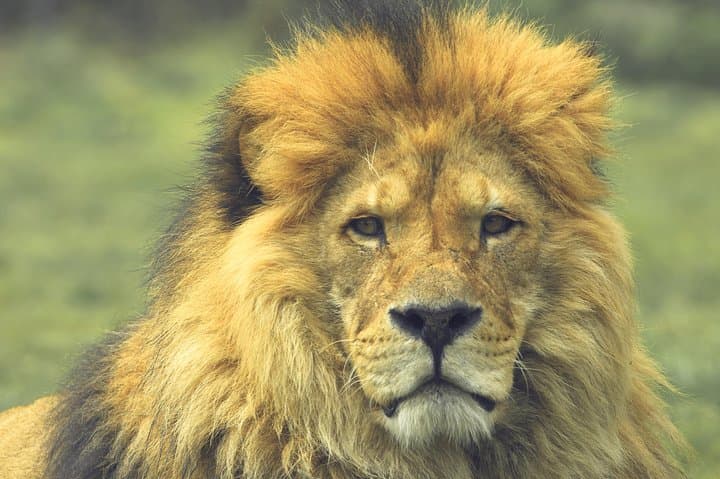
You roll off the tarmac into an open plain where light moves like a hand across grass — acacia shadows shortening as a jeep bumps toward the Mara. Daylight exposes a maze of tracks, a distant thunder of hooves, and a lion’s silhouette limned against heat-haze; this is the rhythm of a three-day Masai Mara safari.
Verified experiences and guided adventures in the surrounding area.
Operated by Eco World Safaris · Masai Mara, Narok County
You roll off the tarmac into an open plain where light moves like a hand across grass — acacia shadows shortening as a jeep bumps toward the Mara. Daylight exposes a maze of tracks, a distant thunder of hooves, and a lion’s silhouette limned against heat-haze; this is the rhythm of a three-day Masai Mara safari.
The reserve sits on the southern edge of the Serengeti ecosystem, carved by Rift Valley geology and seasonally driven by rains that stage the great wildebeest migration at the Mara River. Maasai culture threads the modern park: their villages, colorful beadwork, and grazing cattle remind visitors that conservation here balances wildlife corridors and community needs.
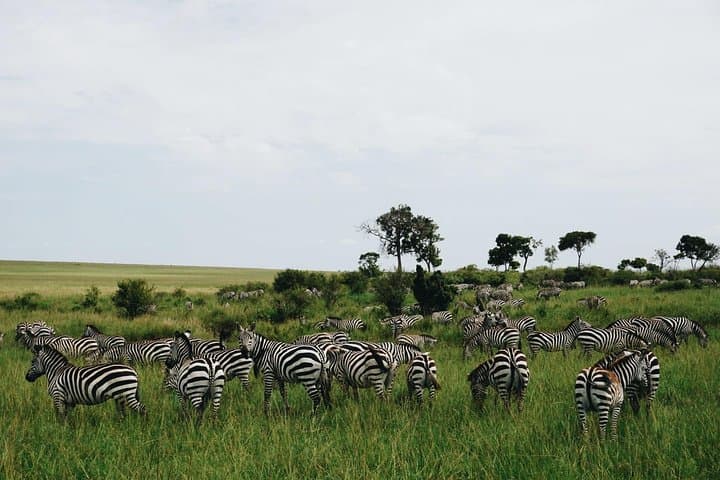
Game drives are the meat of the trip — morning light reveals predators on the stalk, afternoons open to river crossings and grazing plains. Expect varied terrain: grassy savannah, riverine thickets, and the occasional escarpment offering sweeping views. Lodges and safari camps provide guided drives, meals, and a night under an expansive southern sky.
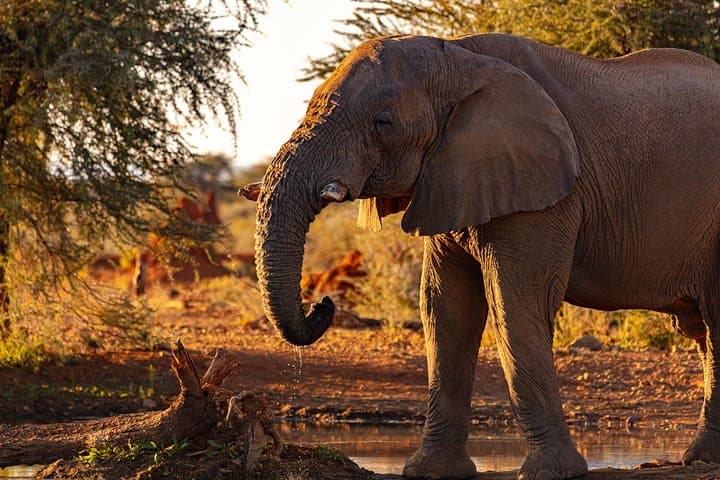
Practical notes: the best window for river crossings is during the migration months (July–October); plan early morning drives for the most active sightings and wear neutral clothing to minimize disturbance. Bring sunscreen, a good pair of binoculars, and a sense of patience — animal behavior is unpredictable. Respect Maasai lands, follow guide instructions, and favor eco-conscious operators who support local conservancies. Over three days you’ll see the Mara’s essentials: big cats, elephants, and the living pulse of the plains — up close, carefully, and with purpose.
moderate.
3 days.
Moderate fitness for short walks and long game-drive days; able to get in/out of safari vehicles.
Peak river crossings usually occur July–October, though herd movements vary year to year; book within that window for the highest chance.
Consult a travel clinic; yellow fever vaccination may be required depending on origin, and malaria prophylaxis is commonly recommended for the Mara region.
Typical drives run early morning (2–4 hours) and late afternoon (2–4 hours) with a midday break at the lodge; full-day options include picnic lunches.
Many operators accept children and offer wheelchair-accessible vehicles and lodges, but verify specifics and any mobility limitations in advance.
Masai Mara National Reserve was established in 1961 and sits within Maasai ancestral lands; grazing and cattle culture remain integral to the landscape.
Conservation in the Mara leans on community conservancies and sustainable tourism; choose guides who support anti-poaching and local benefit-sharing.
Eco World Safaris operates guided outdoor trips and adventures with an emphasis on safety, stewardship, and memorable experiences.
You roll off the tarmac into an open plain where light moves like a hand across grass — acacia shadows shortening as a jeep bumps toward the Mara. Daylight exposes a maze of tracks, a distant thunder of hooves, and a lion’s silhouette limned against heat-haze; this is the rhythm of a three-day Masai Mara safari.
You roll off the tarmac into an open plain where light moves like a hand across grass — acacia shadows shortening as a jeep bumps toward the Mara. Daylight exposes a maze of tracks, a distant thunder of hooves, and a lion’s silhouette limned against heat-haze; this is the rhythm of a three-day Masai Mara safari.
The reserve sits on the southern edge of the Serengeti ecosystem, carved by Rift Valley geology and seasonally driven by rains that stage the great wildebeest migration at the Mara River. Maasai culture threads the modern park: their villages, colorful beadwork, and grazing cattle remind visitors that conservation here balances wildlife corridors and community needs.
Game drives are the meat of the trip — morning light reveals predators on the stalk, afternoons open to river crossings and grazing plains. Expect varied terrain: grassy savannah, riverine thickets, and the occasional escarpment offering sweeping views. Lodges and safari camps provide guided drives, meals, and a night under an expansive southern sky.
Practical notes: the best window for river crossings is during the migration months (July–October); plan early morning drives for the most active sightings and wear neutral clothing to minimize disturbance. Bring sunscreen, a good pair of binoculars, and a sense of patience — animal behavior is unpredictable. Respect Maasai lands, follow guide instructions, and favor eco-conscious operators who support local conservancies. Over three days you’ll see the Mara’s essentials: big cats, elephants, and the living pulse of the plains — up close, carefully, and with purpose.