THE ADVENTURE COLLECTIVE® · Independent discovery and booking for outdoor travel

Cross the High Atlas from Marrakech and end under the star-blanketed dunes of Erg Chebbi on this three-day desert circuit. The trip pairs cultural stops—Ait Ben Haddou and Todgha Gorges—with a camel trek and an overnight in a traditional desert camp.
Cross the High Atlas from Marrakech and end under the star-blanketed dunes of Erg Chebbi on this three-day desert circuit. The trip pairs cultural stops—Ait Ben Haddou and Todgha Gorges—with a camel trek and an overnight in a traditional desert camp.
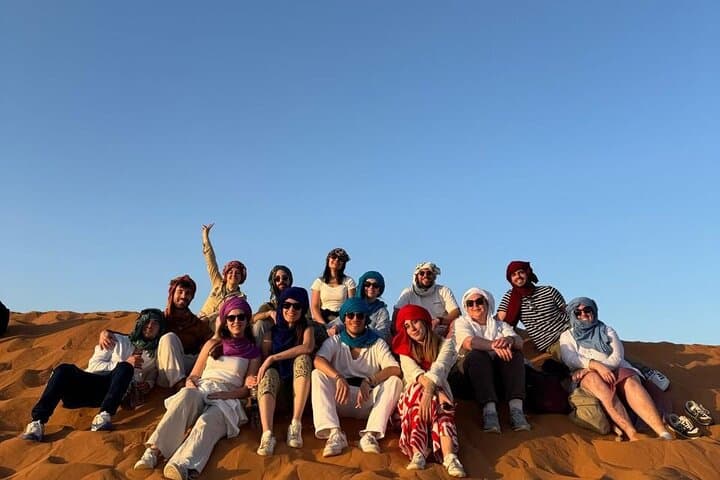
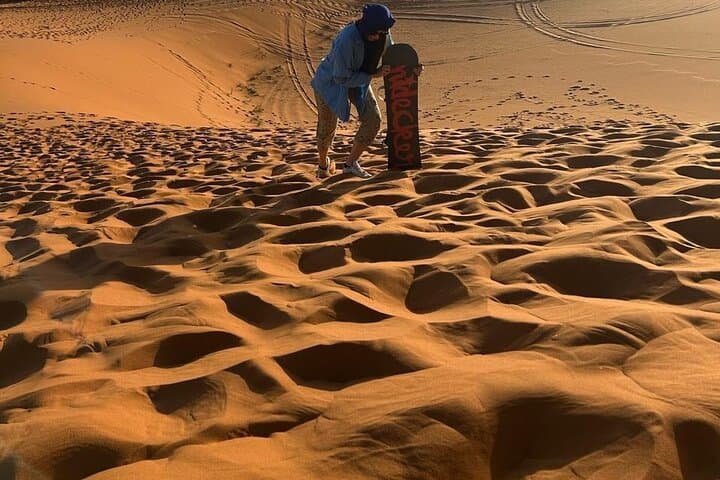
You leave Marrakech before dawn; the city’s saffron light gives way to the High Atlas, where switchbacks climb the Tizi n’Tichka pass and the wind trims the road with cold. By mid-afternoon the land opens into kasbah-dotted valleys, and by sunset the dunes of Erg Chebbi throw long orange shadows that invite a slow, deliberate approach.
Verified experiences and guided adventures in the surrounding area.
Operated by Morocco Vibes Travel · Merzouga, Drâa-Tafilalet
You leave Marrakech before dawn; the city’s saffron light gives way to the High Atlas, where switchbacks climb the Tizi n’Tichka pass and the wind trims the road with cold. By mid-afternoon the land opens into kasbah-dotted valleys, and by sunset the dunes of Erg Chebbi throw long orange shadows that invite a slow, deliberate approach.
This route threads centuries of human and geological history: volcanic High Atlas peaks formed from tectonic pressure, mudbrick kasbahs like Ait Ben Haddou reflecting Berber defensive architecture, and the Sahara’s dunes—wind-sculpted ripples of sand that migrate meters each year. Along the way, Ouarzazate’s film studios and the Todgha Gorges’ limestone walls speak to both industry and erosional force. Local culture is visible in road-side tea rituals, rose-oil cooperatives in the Valley of Roses, and nomadic camp hospitality beneath the stars.
Practically: the tour runs three days, mixing paved driving, short village walks, a camel trek across Erg Chebbi, and one night in a desert bivouac (with upgrades available). Expect temperature swings—hot days and cold desert nights—and minimal technical challenge; mobility for boarding camels and walking on soft sand helps. Bring sun protection, layers for night, sturdy walking shoes, and a small daypack for camera gear and water.
Timing matters: sunsets and pre-dawn light are the highlight for photographers and stargazers. Respect local customs at villages and camps, and carry cash for small purchases. The experience balances travel, natural spectacle, and immersive cultural encounters—an accessible desert introduction with practical comfort options.
easy.
3 days.
Suitable for travelers in average fitness—must be able to mount a camel and walk short distances on sand and uneven village streets.
Price typically includes private or shared air-conditioned transport, one night in a riad/hotel, one night in a desert camp (bivouac), two breakfasts and two dinners, camel trek in Erg Chebbi, and an English/Spanish-speaking driver-guide.
Yes—many operators offer a luxury camp upgrade with private tents, better bedding, and private facilities; request this at booking and expect an extra fee.
Children can ride camels, but infants should sit on an adult’s lap; people with significant mobility limitations should notify the operator—mounting camels requires some agility.
Standard policies often allow a full refund if canceled at least 24 hours before departure; always confirm the operator’s policy when booking.
The route follows ancient trans-Saharan corridors where Berber communities built mudbrick kasbahs; Ait Ben Haddou is a UNESCO-listed example of this defensive settlement pattern.
The Sahara’s dunes are ecologically sensitive—stick to marked camel routes and camps to minimize disturbance, and support local cooperatives to keep tourism benefits within communities.
Morocco Vibes Travel operates guided outdoor trips and adventures with an emphasis on safety, stewardship, and memorable experiences.


You leave Marrakech before dawn; the city’s saffron light gives way to the High Atlas, where switchbacks climb the Tizi n’Tichka pass and the wind trims the road with cold. By mid-afternoon the land opens into kasbah-dotted valleys, and by sunset the dunes of Erg Chebbi throw long orange shadows that invite a slow, deliberate approach.
You leave Marrakech before dawn; the city’s saffron light gives way to the High Atlas, where switchbacks climb the Tizi n’Tichka pass and the wind trims the road with cold. By mid-afternoon the land opens into kasbah-dotted valleys, and by sunset the dunes of Erg Chebbi throw long orange shadows that invite a slow, deliberate approach.
This route threads centuries of human and geological history: volcanic High Atlas peaks formed from tectonic pressure, mudbrick kasbahs like Ait Ben Haddou reflecting Berber defensive architecture, and the Sahara’s dunes—wind-sculpted ripples of sand that migrate meters each year. Along the way, Ouarzazate’s film studios and the Todgha Gorges’ limestone walls speak to both industry and erosional force. Local culture is visible in road-side tea rituals, rose-oil cooperatives in the Valley of Roses, and nomadic camp hospitality beneath the stars.
Practically: the tour runs three days, mixing paved driving, short village walks, a camel trek across Erg Chebbi, and one night in a desert bivouac (with upgrades available). Expect temperature swings—hot days and cold desert nights—and minimal technical challenge; mobility for boarding camels and walking on soft sand helps. Bring sun protection, layers for night, sturdy walking shoes, and a small daypack for camera gear and water.
Timing matters: sunsets and pre-dawn light are the highlight for photographers and stargazers. Respect local customs at villages and camps, and carry cash for small purchases. The experience balances travel, natural spectacle, and immersive cultural encounters—an accessible desert introduction with practical comfort options.