THE ADVENTURE COLLECTIVE® · Independent discovery and booking for outdoor travel

Cross the High Atlas and enter the Sahara on a compact three-day route from Marrakech to Erg Chegaga. Ride camels to towering dunes, sleep under nomad-style camps, and time sunrise on sand ridges for unforgettable light.
Cross the High Atlas and enter the Sahara on a compact three-day route from Marrakech to Erg Chegaga. Ride camels to towering dunes, sleep under nomad-style camps, and time sunrise on sand ridges for unforgettable light.
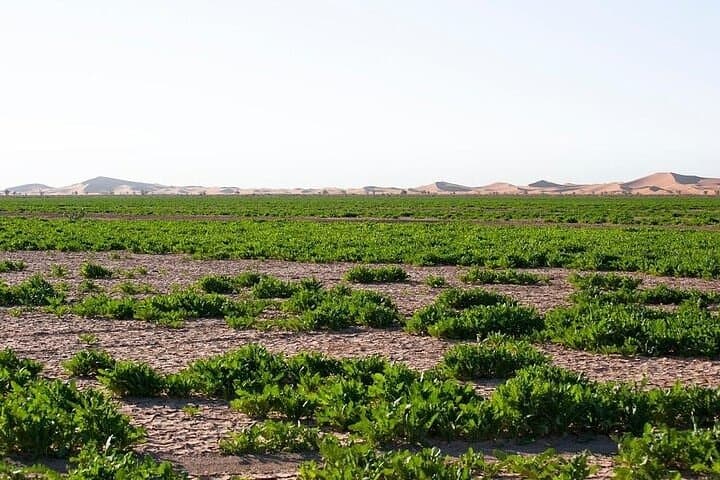
You leave Marrakech before dawn, the atlas road hunched and winding as the bus climbs Tichka Pass. Cold air slaps the windows; rock and scrub slide past in long bands of color. By mid-afternoon, the palms of the Draa valley thin and the horizon opens into a desert that seems to move—sand pushing and reshaping itself with every wind.
Verified experiences and guided adventures in the surrounding area.
Operated by Desertbrise Travel · M'hamid, Drâa-Tafilalet
You leave Marrakech before dawn, the atlas road hunched and winding as the bus climbs Tichka Pass. Cold air slaps the windows; rock and scrub slide past in long bands of color. By mid-afternoon, the palms of the Draa valley thin and the horizon opens into a desert that seems to move—sand pushing and reshaping itself with every wind.
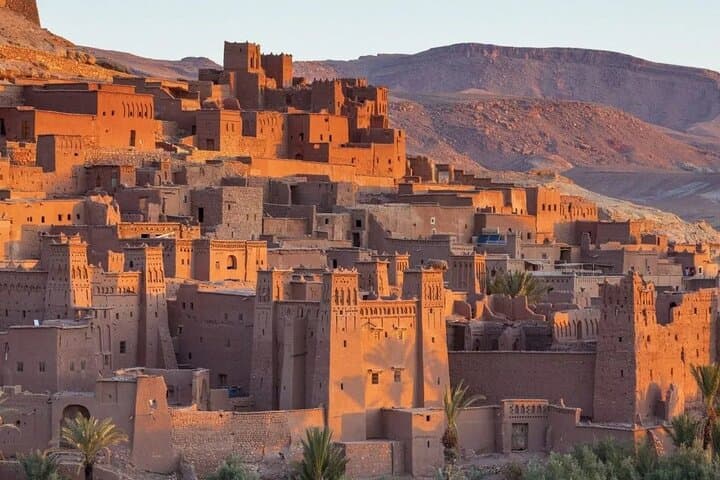
This route threads together Berber kasbahs and caravan tracks. Ait Benhaddou, a fortified ksar on the old salt route, speaks to the region’s film history and precolonial trade, while the Draa River valley marks where human settlement clings to life by irrigation. Geologically, Erg Chegaga is a field of large transverse dunes—some peaks reach around 300 meters—formed by persistent southerly winds on the Saharan margin.
Culturally, evenings in a nomad camp revolve around tea, shared stories, and percussion; local guides are often from families that have worked these routes for generations. Wildlife is sparse but present—desert fox tracks, migratory birds in the oasis.
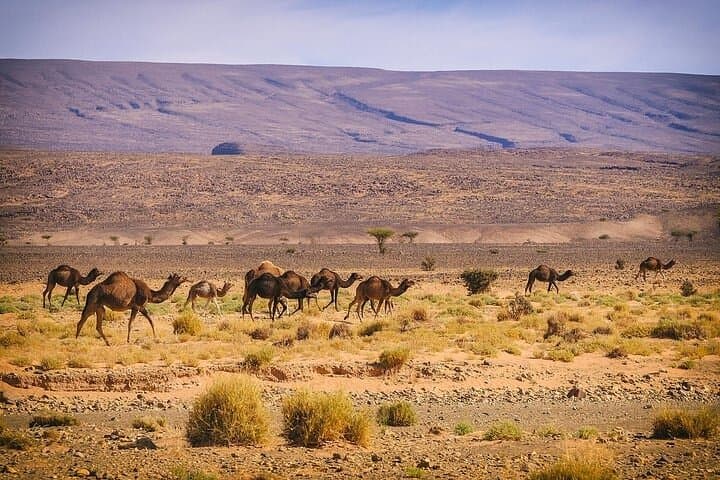
Practically: expect three days of mixed transport—4x4 transfers, a two-hour camel trek to real dunes, and two nights in simple camps or guesthouses. Temperatures swing dramatically; daytime can be hot while nights drop cool. Footwear that handles loose sand and a small daypack for water and sun protection will make dune climbs far easier. Time sunrise or sunset for the best light on the dunes, and bring cash for small village purchases. The trip balances low-impact trekking with the logistical comfort of guided transport—ideal for travelers who want desert immersion without technical expedition demands.
moderate.
3 days.
Basic to moderate fitness for short dune climbs and camel rides; comfortable with several hours of vehicle transfer each day.
The camel legs are gentle and guided—about two hours with breaks; you should be comfortable sitting in a saddle and able to walk short distances on sand.
Camps are basic nomad-style tents with bedding; for solo travelers a private tent is usually available on private tours—ask at booking.
Service is intermittent; bring cash from Marrakech since ATMs are scarce once you leave major towns like Zagora or M’hamid.
The operator lists the tour as suitable for all fitness levels, but dune walking and camel mounts may be difficult for some; contact the operator about mobility needs and vehicle accessibility.
The route follows historical caravan corridors linking Saharan oases to Marrakech; Ait Benhaddou illustrates earthen architecture and caravan-era settlement patterns.
Water is scarce—respect local water use and avoid single-use plastics; choose operators that follow leave-no-trace camp protocols.
Desertbrise Travel operates guided outdoor trips and adventures with an emphasis on safety, stewardship, and memorable experiences.
You leave Marrakech before dawn, the atlas road hunched and winding as the bus climbs Tichka Pass. Cold air slaps the windows; rock and scrub slide past in long bands of color. By mid-afternoon, the palms of the Draa valley thin and the horizon opens into a desert that seems to move—sand pushing and reshaping itself with every wind.
You leave Marrakech before dawn, the atlas road hunched and winding as the bus climbs Tichka Pass. Cold air slaps the windows; rock and scrub slide past in long bands of color. By mid-afternoon, the palms of the Draa valley thin and the horizon opens into a desert that seems to move—sand pushing and reshaping itself with every wind.
This route threads together Berber kasbahs and caravan tracks. Ait Benhaddou, a fortified ksar on the old salt route, speaks to the region’s film history and precolonial trade, while the Draa River valley marks where human settlement clings to life by irrigation. Geologically, Erg Chegaga is a field of large transverse dunes—some peaks reach around 300 meters—formed by persistent southerly winds on the Saharan margin.
Culturally, evenings in a nomad camp revolve around tea, shared stories, and percussion; local guides are often from families that have worked these routes for generations. Wildlife is sparse but present—desert fox tracks, migratory birds in the oasis.
Practically: expect three days of mixed transport—4x4 transfers, a two-hour camel trek to real dunes, and two nights in simple camps or guesthouses. Temperatures swing dramatically; daytime can be hot while nights drop cool. Footwear that handles loose sand and a small daypack for water and sun protection will make dune climbs far easier. Time sunrise or sunset for the best light on the dunes, and bring cash for small village purchases. The trip balances low-impact trekking with the logistical comfort of guided transport—ideal for travelers who want desert immersion without technical expedition demands.