THE ADVENTURE COLLECTIVE® · Independent discovery and booking for outdoor travel

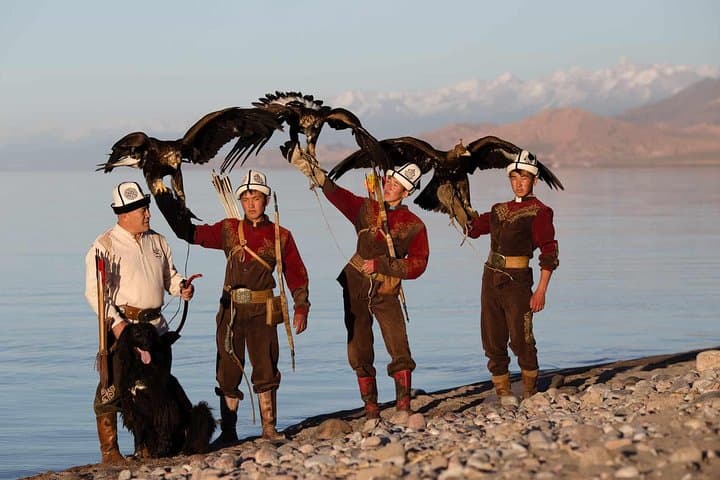
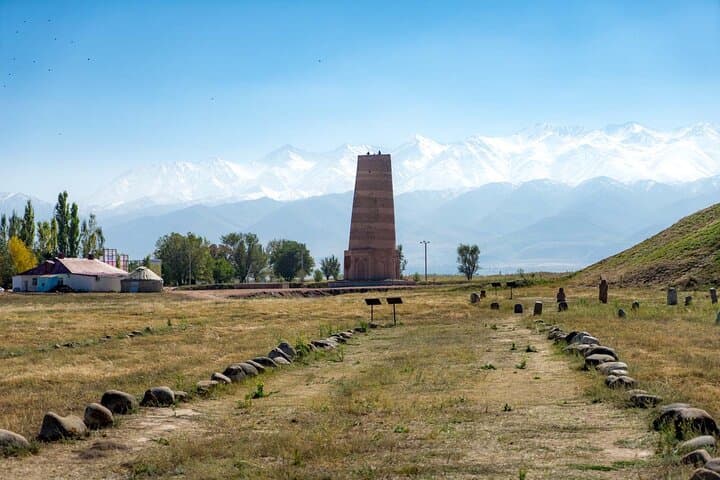
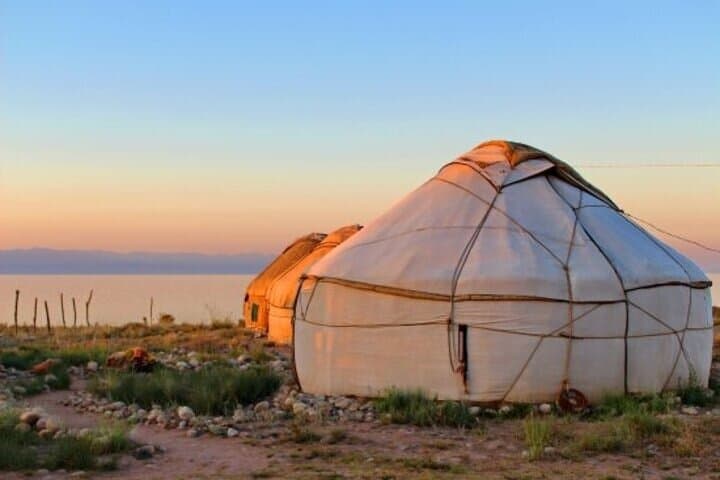
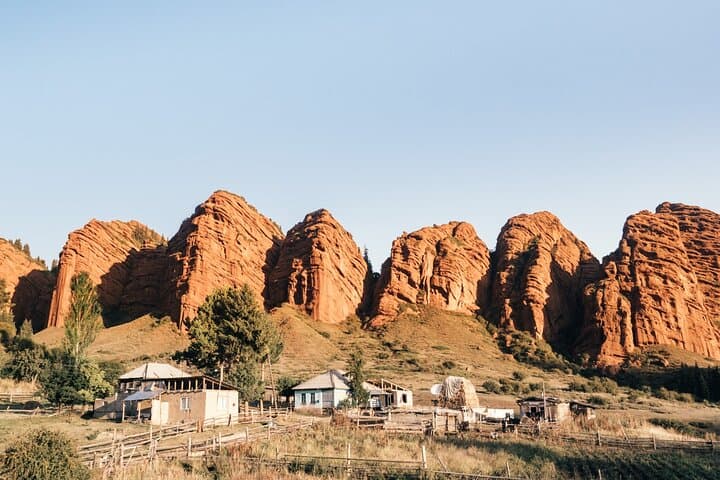
Traverse Burana Tower, witness a golden eagle hunt, explore Skazka Canyon and sleep in a lakeside yurt on this compact three-day Issyk-Kul circuit. Practical, cultural, and vividly scenic.
Traverse Burana Tower, witness a golden eagle hunt, explore Skazka Canyon and sleep in a lakeside yurt on this compact three-day Issyk-Kul circuit. Practical, cultural, and vividly scenic.
A morning bus hums out of Bishkek and the Tien Shan lean in closer as the road unfurls toward Issyk-Kul. Wind off the lake pushes at the windows; yurts sit on the shoreline like temporary homes the mountains respect. Over three days travelers move from the medieval stones of Burana Tower through Boom Gorge’s carved cliffs to the open water of one of the world’s highest large lakes.
Verified experiences and guided adventures in the surrounding area.
Operated by Datka Travel · Cholpon-Ata, Issyk-Kul Region
A morning bus hums out of Bishkek and the Tien Shan lean in closer as the road unfurls toward Issyk-Kul. Wind off the lake pushes at the windows; yurts sit on the shoreline like temporary homes the mountains respect. Over three days travelers move from the medieval stones of Burana Tower through Boom Gorge’s carved cliffs to the open water of one of the world’s highest large lakes.
This route threads Kyrgyz history and geology: Burana’s minaret marks the Karakhanid trading town of Balasagun, while Skazka (Fairy Tale) Canyon shows aeons of wind and water sculpting colored sandstone into fanciful ridges. The region’s culture is living — berkutchi (eagle hunters) still train golden eagles, and horse riding and kumys tastings recall nomadic rhythms.
Expect varied terrain: paved driving, short walks across sandy or rocky canyon rims, and slippery streams near waterfalls. Nights alternate between a traditional yurt camp on Issyk-Kul’s shore and modest hotels in Karakol. Boat rides on the lake are calm but cool—the water sits at around 1,600 m elevation and stays refreshing even in summer.
Plan practically: layers for sharp sun and sudden alpine breeze, sun protection, and sturdy shoes for uneven rock. Carry local currency for small purchases, and be prepared for simple facilities at yurt camps. Respect local customs when photographing people and wildlife — the landscape is generous, but leave no trace and let the mountains keep their silence.
moderate.
3 days (approx. 72 hours).
Suitable for travelers in average fitness — mostly vehicle transfers with short hikes, horseback options, and steps at viewpoints.
Yurts provide traditional sleeping on beds with blankets; amenities are basic but comfortable and typically semi-private — expect shared wash facilities at some camps.
Issyk-Kul sits around 1,600 m; most visitors acclimatize easily, but hydrate, avoid heavy exertion on arrival, and tell your guide about any health concerns.
Yes during warmer months; water remains cool and clear. Follow guides for safe entry points and wear a life vest on organized boat trips.
The tour includes most breakfasts, lunches and dinners listed in the itinerary, but you may want cash for snacks, tea, or optional extras.
Burana Tower is a remnant of the Karakhanid city of Balasagun (9th–12th centuries); petroglyphs and local oral traditions preserve nomadic legacies around the lake.
Issyk-Kul faces pressures from tourism and shoreline development; minimize plastic use, stick to trails, and support locally-run yurt camps to reduce impact.
Datka Travel operates guided outdoor trips and adventures with an emphasis on safety, stewardship, and memorable experiences.
A morning bus hums out of Bishkek and the Tien Shan lean in closer as the road unfurls toward Issyk-Kul. Wind off the lake pushes at the windows; yurts sit on the shoreline like temporary homes the mountains respect. Over three days travelers move from the medieval stones of Burana Tower through Boom Gorge’s carved cliffs to the open water of one of the world’s highest large lakes.
A morning bus hums out of Bishkek and the Tien Shan lean in closer as the road unfurls toward Issyk-Kul. Wind off the lake pushes at the windows; yurts sit on the shoreline like temporary homes the mountains respect. Over three days travelers move from the medieval stones of Burana Tower through Boom Gorge’s carved cliffs to the open water of one of the world’s highest large lakes.
This route threads Kyrgyz history and geology: Burana’s minaret marks the Karakhanid trading town of Balasagun, while Skazka (Fairy Tale) Canyon shows aeons of wind and water sculpting colored sandstone into fanciful ridges. The region’s culture is living — berkutchi (eagle hunters) still train golden eagles, and horse riding and kumys tastings recall nomadic rhythms.
Expect varied terrain: paved driving, short walks across sandy or rocky canyon rims, and slippery streams near waterfalls. Nights alternate between a traditional yurt camp on Issyk-Kul’s shore and modest hotels in Karakol. Boat rides on the lake are calm but cool—the water sits at around 1,600 m elevation and stays refreshing even in summer.
Plan practically: layers for sharp sun and sudden alpine breeze, sun protection, and sturdy shoes for uneven rock. Carry local currency for small purchases, and be prepared for simple facilities at yurt camps. Respect local customs when photographing people and wildlife — the landscape is generous, but leave no trace and let the mountains keep their silence.