THE ADVENTURE COLLECTIVE® · Independent discovery and booking for outdoor travel

A compact three-day loop from Managua that stitches Granada’s lake islets and colonial streets to León’s cathedral roof and Masaya’s volcanic night show. Expect boats, short hikes, colonial history and a luminous lava finale.
A compact three-day loop from Managua that stitches Granada’s lake islets and colonial streets to León’s cathedral roof and Masaya’s volcanic night show. Expect boats, short hikes, colonial history and a luminous lava finale.
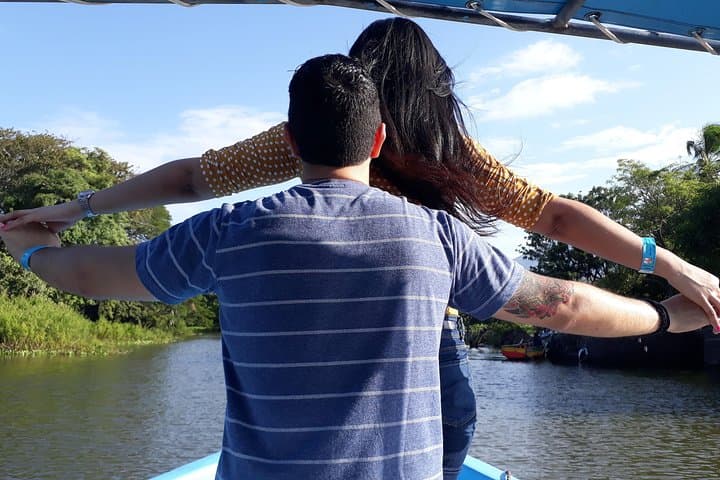
The motor hum fades as the city gives way to open water and sugar-cane fields. On day one the lake takes charge: oars click, birds wheel, and the Isletas de Granada—peppered islets carved from an ancient volcanic eruption—slide past like private postcards. Your guide points out a family of howler monkeys loping through figs on a tiny island; the call sounds like a low engine and reminds you the region still moves at natural pace.
Verified experiences and guided adventures in the surrounding area.
Operated by Show Me Nicaragua Tours · Managua, Managua
The motor hum fades as the city gives way to open water and sugar-cane fields. On day one the lake takes charge: oars click, birds wheel, and the Isletas de Granada—peppered islets carved from an ancient volcanic eruption—slide past like private postcards. Your guide points out a family of howler monkeys loping through figs on a tiny island; the call sounds like a low engine and reminds you the region still moves at natural pace.
Granada’s colonial core is compact and immediate. Cobbled streets funnel into a central plaza ringed with color-washed facades and a cathedral whose bell tower stares toward Mombacho. The boat ride to the isletas (about 60 minutes aboard a small launch) and the hour-long walking tour through Granada’s historic quarter chain together history and ecology: Spanish fortifications, a chocolate museum that revives cacao into drinks, and views of Mombacho’s cloud-shrouded flanks.
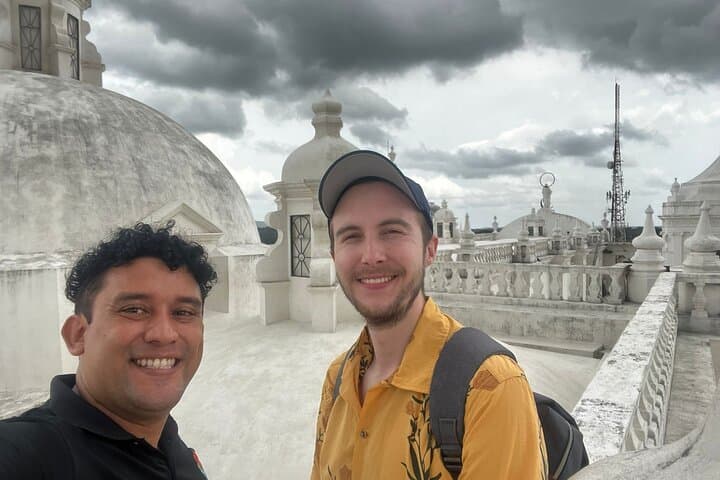
Day two shifts north to León, where ash-and-limestone ruins and revolutionary murals narrate Nicaragua’s layered past. The cathedral roof walk — a unique ticketed climb — rewards you with a panoramic ring of volcanoes and lakes; allow 60–90 minutes to ascend, explore the roof, and read the city’s architecture like a storybook of colonization and poets such as Rubén Darío.
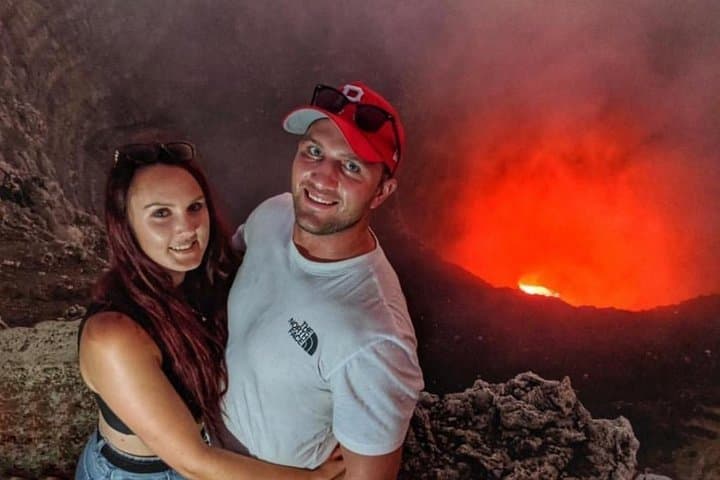
Masaya, on the final day, is a study in contrast: markets and craft stalls by day, a living lava show by night. Spend the afternoon at Laguna de Apoyo’s crater rim—its swimming and kayaking options make for a cooling, low-impact afternoon (45–180 minutes depending on how long you linger). After sunset, head to Masaya Volcano National Park; the crater’s orange glow is close enough to feel, and the park’s history of eruptions offers geology in motion.
Practical details: the program runs three full days with private transport from Managua (pickups available at hotels or the airport), daily stretches of walking from 30 minutes to a few hours, and mostly easy terrain—paved streets, short crater-path hikes, and boat decks. Expect tropical sun, sporadic breeze lakeside, and cooler wind on volcano rims at night. Bring sun protection, rechargeable lights for the night crater visit, and waterproof layers for sudden showers. Respect park rules by keeping distance from lava rims and follow your guide’s instructions around the volcano.
Culturally, vendors at Masaya’s craft market uphold centuries-old techniques—bargaining is part of the dance. Environmentally, Apoyo is a protected crater lake; limit plastic waste and avoid motorized boats there. This three-day loop gives a compact, immersive primer on Nicaragua’s volcanic backbone, colonial cities and living marketplaces—adventure with context, and enough practical know-how to keep it worry-free.
moderate.
3 days (full days, approx. 8–10 hours/day).
Suitable for travelers in regular physical condition; able to walk for up to 2–3 hours intermittently and climb stairs/rooftops
Pickups are available across Managua hotels and the airport; the tour returns to Managua at the end of day three.
Yes when guided: viewing occurs from designated park rims—follow your guide’s instructions, stay behind barriers and avoid smoke exposure if you have respiratory issues.
Yes—there’s time allocated for swimming and optional kayaking; bring swimwear and expect an extra fee for rentals or food not included.
Admission to featured parks mentioned in the itinerary is included where specified; meals are generally not included unless noted—confirm specifics when booking.
Children can participate but must be accompanied by an adult; volcanic and boat safety rules still apply and families should assess children’s comfort with nighttime volcano visits.
No—the guide is fluent in English and provides cultural and historical commentary in English for international travelers.
Granada and León were focal points of Spanish colonization and indigenous resistance; León also produced Rubén Darío, Nicaragua’s celebrated modernist poet.
Apoyo Lagoon is a protected crater lake—avoid single-use plastics and respect no-motor zones; Masaya Volcano Park manages visitor access to reduce impact on fragile volcanic areas.
Show Me Nicaragua Tours operates guided outdoor trips and adventures with an emphasis on safety, stewardship, and memorable experiences.

The motor hum fades as the city gives way to open water and sugar-cane fields. On day one the lake takes charge: oars click, birds wheel, and the Isletas de Granada—peppered islets carved from an ancient volcanic eruption—slide past like private postcards. Your guide points out a family of howler monkeys loping through figs on a tiny island; the call sounds like a low engine and reminds you the region still moves at natural pace.
The motor hum fades as the city gives way to open water and sugar-cane fields. On day one the lake takes charge: oars click, birds wheel, and the Isletas de Granada—peppered islets carved from an ancient volcanic eruption—slide past like private postcards. Your guide points out a family of howler monkeys loping through figs on a tiny island; the call sounds like a low engine and reminds you the region still moves at natural pace.
Granada’s colonial core is compact and immediate. Cobbled streets funnel into a central plaza ringed with color-washed facades and a cathedral whose bell tower stares toward Mombacho. The boat ride to the isletas (about 60 minutes aboard a small launch) and the hour-long walking tour through Granada’s historic quarter chain together history and ecology: Spanish fortifications, a chocolate museum that revives cacao into drinks, and views of Mombacho’s cloud-shrouded flanks.
Day two shifts north to León, where ash-and-limestone ruins and revolutionary murals narrate Nicaragua’s layered past. The cathedral roof walk — a unique ticketed climb — rewards you with a panoramic ring of volcanoes and lakes; allow 60–90 minutes to ascend, explore the roof, and read the city’s architecture like a storybook of colonization and poets such as Rubén Darío.
Masaya, on the final day, is a study in contrast: markets and craft stalls by day, a living lava show by night. Spend the afternoon at Laguna de Apoyo’s crater rim—its swimming and kayaking options make for a cooling, low-impact afternoon (45–180 minutes depending on how long you linger). After sunset, head to Masaya Volcano National Park; the crater’s orange glow is close enough to feel, and the park’s history of eruptions offers geology in motion.
Practical details: the program runs three full days with private transport from Managua (pickups available at hotels or the airport), daily stretches of walking from 30 minutes to a few hours, and mostly easy terrain—paved streets, short crater-path hikes, and boat decks. Expect tropical sun, sporadic breeze lakeside, and cooler wind on volcano rims at night. Bring sun protection, rechargeable lights for the night crater visit, and waterproof layers for sudden showers. Respect park rules by keeping distance from lava rims and follow your guide’s instructions around the volcano.
Culturally, vendors at Masaya’s craft market uphold centuries-old techniques—bargaining is part of the dance. Environmentally, Apoyo is a protected crater lake; limit plastic waste and avoid motorized boats there. This three-day loop gives a compact, immersive primer on Nicaragua’s volcanic backbone, colonial cities and living marketplaces—adventure with context, and enough practical know-how to keep it worry-free.