THE ADVENTURE COLLECTIVE® · Independent discovery and booking for outdoor travel

Spend three days driving through western Uganda’s rolling hills to Bwindi Impenetrable Forest for an up-close mountain gorilla trek. Expect long travel days, muddy slopes and a remarkable wildlife encounter guided by local rangers.
Spend three days driving through western Uganda’s rolling hills to Bwindi Impenetrable Forest for an up-close mountain gorilla trek. Expect long travel days, muddy slopes and a remarkable wildlife encounter guided by local rangers.
Dawn peels back mist from steep, fern-steeped valleys as the minibus rumbles west, the road folding through patchwork hills toward Bwindi Impenetrable Forest. By evening you sleep on the forest’s edge, rain on the roof and distant bird calls threading the dark. On day two you register at the park office, climb muddy slopes and listen for the rustle of leaves that announce a gorilla family—the air itself seems to hold its breath as you come face-to-face with one of the world’s largest primates.
Verified experiences and guided adventures in the surrounding area.
Operated by Bright Safaris Uganda · Buhoma, Kabale District
Dawn peels back mist from steep, fern-steeped valleys as the minibus rumbles west, the road folding through patchwork hills toward Bwindi Impenetrable Forest. By evening you sleep on the forest’s edge, rain on the roof and distant bird calls threading the dark. On day two you register at the park office, climb muddy slopes and listen for the rustle of leaves that announce a gorilla family—the air itself seems to hold its breath as you come face-to-face with one of the world’s largest primates.
Bwindi’s dark, ancient rainforest sits on the Albertine Rift, a rugged spur of the East African Rift where volcanic soils and heavy rainfall create dense, mossy growth. The park, a UNESCO World Heritage Site since the 1990s, supports endemic species and communities whose lives are interwoven with the forest; towns like Kabale and local community camps provide the human context and hospitality around the experience.
Practical guidance: gorilla trekking is unpredictable—expect 2–8 hours of walking, often on steep, slippery slopes. Carry a daypack with rain shell, water, snacks and permit paperwork; dress in layers and use sturdy, ankle-supporting boots. Follow park rules: keep distance, avoid direct eye contact, and do not visit if ill. Your operator typically handles permits, park briefings and transport, but confirm what’s included before booking. Plan for travel time—driving from Kampala or Entebbe is a full day—and build flexibility into your itinerary for weather and permit windows. With respect, patience and a steady pace, the forest rewards persistence with one of the most intimate wildlife encounters on Earth.
challenging.
3 days (≈72 hours, trekking 2–8 hours on day two).
Moderate to fit: be comfortable hiking steep, muddy terrain for several hours and at least basic cardiovascular fitness is required
Yes; a gorilla trekking permit is required and is usually arranged by your tour operator. Permit prices are set by Uganda Wildlife Authority and can change—book early as permits are limited.
Trekking time is unpredictable based on gorilla movement—expect anywhere from 2 to 8 hours on the trail, with brief periods of steep climbing.
Gorilla trekking isn’t recommended for very young children, pregnant travelers, or anyone with serious spine or cardiovascular conditions due to trail difficulty and health protections for the gorillas.
Bwindi hosts golden monkeys, forest elephants, numerous bird species and primates; sightings depend on habitat and season.
Bwindi Impenetrable Forest was recognized as a protected area and later a UNESCO World Heritage Site for its biological importance and as habitat for endangered mountain gorillas.
Trekking is tightly regulated to minimize human impact; follow ranger guidance, avoid visiting when ill, and support community-based tourism to fund local conservation.
Bright Safaris Uganda operates guided outdoor trips and adventures with an emphasis on safety, stewardship, and memorable experiences.
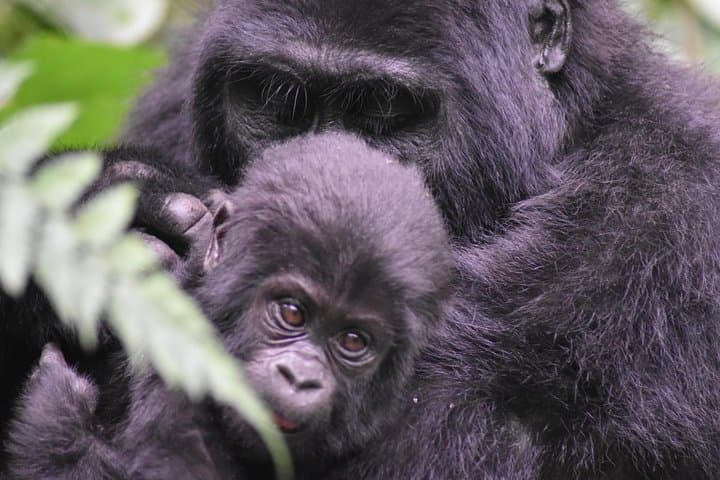
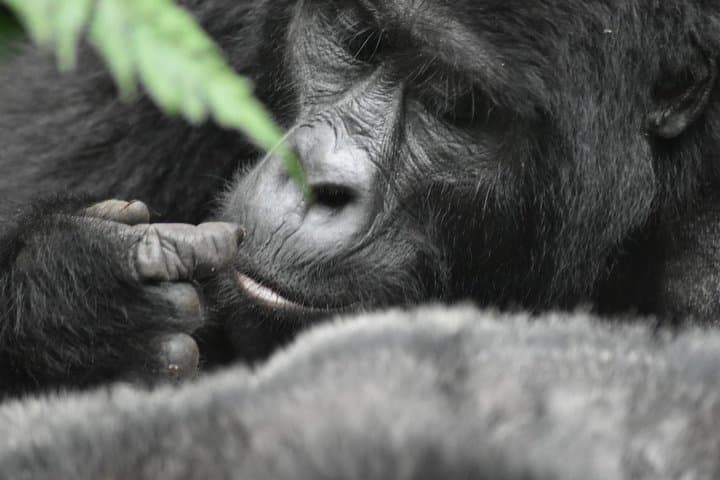
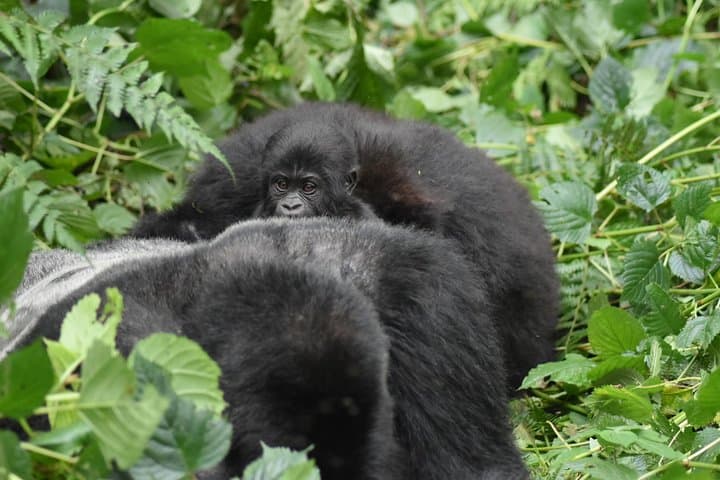
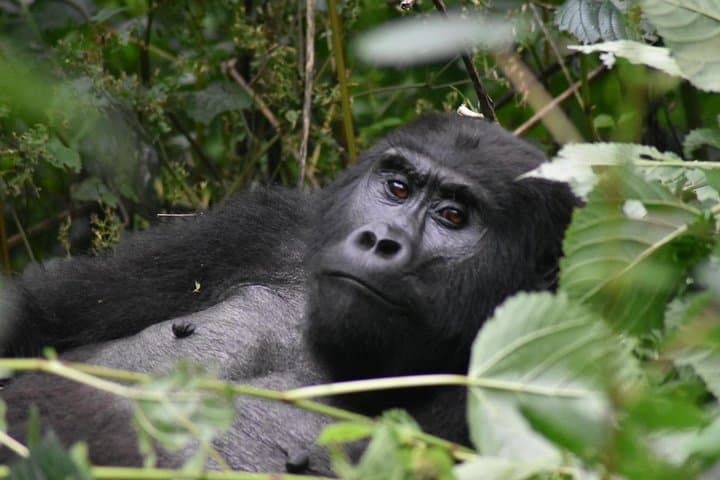
Dawn peels back mist from steep, fern-steeped valleys as the minibus rumbles west, the road folding through patchwork hills toward Bwindi Impenetrable Forest. By evening you sleep on the forest’s edge, rain on the roof and distant bird calls threading the dark. On day two you register at the park office, climb muddy slopes and listen for the rustle of leaves that announce a gorilla family—the air itself seems to hold its breath as you come face-to-face with one of the world’s largest primates.
Dawn peels back mist from steep, fern-steeped valleys as the minibus rumbles west, the road folding through patchwork hills toward Bwindi Impenetrable Forest. By evening you sleep on the forest’s edge, rain on the roof and distant bird calls threading the dark. On day two you register at the park office, climb muddy slopes and listen for the rustle of leaves that announce a gorilla family—the air itself seems to hold its breath as you come face-to-face with one of the world’s largest primates.
Bwindi’s dark, ancient rainforest sits on the Albertine Rift, a rugged spur of the East African Rift where volcanic soils and heavy rainfall create dense, mossy growth. The park, a UNESCO World Heritage Site since the 1990s, supports endemic species and communities whose lives are interwoven with the forest; towns like Kabale and local community camps provide the human context and hospitality around the experience.
Practical guidance: gorilla trekking is unpredictable—expect 2–8 hours of walking, often on steep, slippery slopes. Carry a daypack with rain shell, water, snacks and permit paperwork; dress in layers and use sturdy, ankle-supporting boots. Follow park rules: keep distance, avoid direct eye contact, and do not visit if ill. Your operator typically handles permits, park briefings and transport, but confirm what’s included before booking. Plan for travel time—driving from Kampala or Entebbe is a full day—and build flexibility into your itinerary for weather and permit windows. With respect, patience and a steady pace, the forest rewards persistence with one of the most intimate wildlife encounters on Earth.