THE ADVENTURE COLLECTIVE® · Independent discovery and booking for outdoor travel

A compact, three-day journey from Quito to Cuenca that combines El Cajas’ highland lakes, Cuenca’s colonial charms, artisan towns and the pre-Columbian Ingapirca ruins. Ideal for travelers who want nature and culture on a tight schedule.
A compact, three-day journey from Quito to Cuenca that combines El Cajas’ highland lakes, Cuenca’s colonial charms, artisan towns and the pre-Columbian Ingapirca ruins. Ideal for travelers who want nature and culture on a tight schedule.
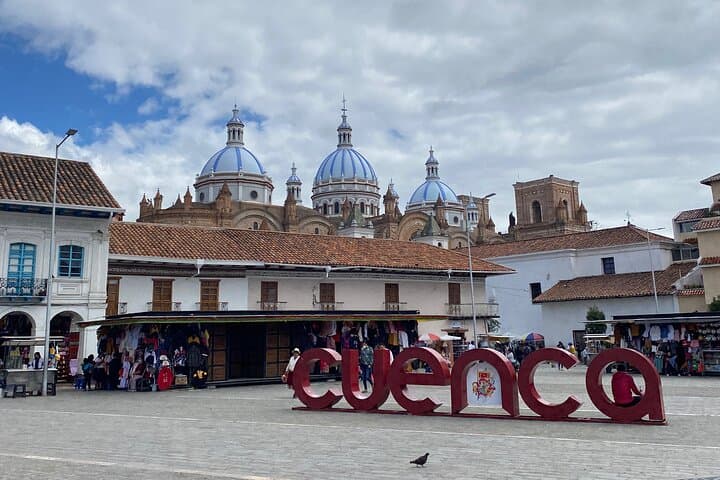
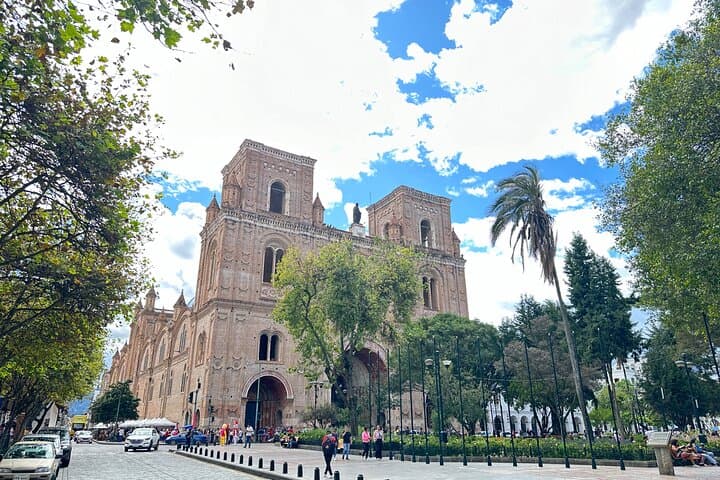
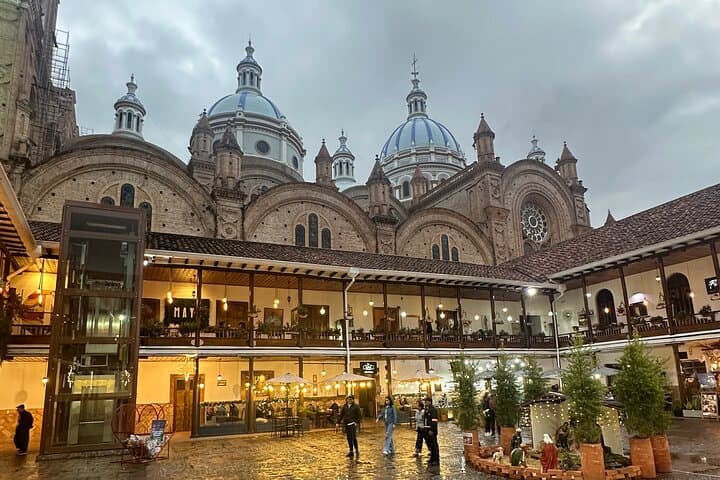
You step off the night coach into a clear, thin-air morning and Cuenca’s red-tiled roofs spread below, church bells still warm from dawn. The three-day circuit moves fast: a night transfer from Quito, a highland morning in El Cajas with its glacial lagoons, an afternoon touring Cuenca’s historic center and El Turi viewpoint, a day among artisan towns and thermal pools, and a final stop at the stone remains of Ingapirca before returning to Quito.
Verified experiences and guided adventures in the surrounding area.
Operated by Quilla Tour Ec · Cuenca, Azuay
You step off the night coach into a clear, thin-air morning and Cuenca’s red-tiled roofs spread below, church bells still warm from dawn. The three-day circuit moves fast: a night transfer from Quito, a highland morning in El Cajas with its glacial lagoons, an afternoon touring Cuenca’s historic center and El Turi viewpoint, a day among artisan towns and thermal pools, and a final stop at the stone remains of Ingapirca before returning to Quito.
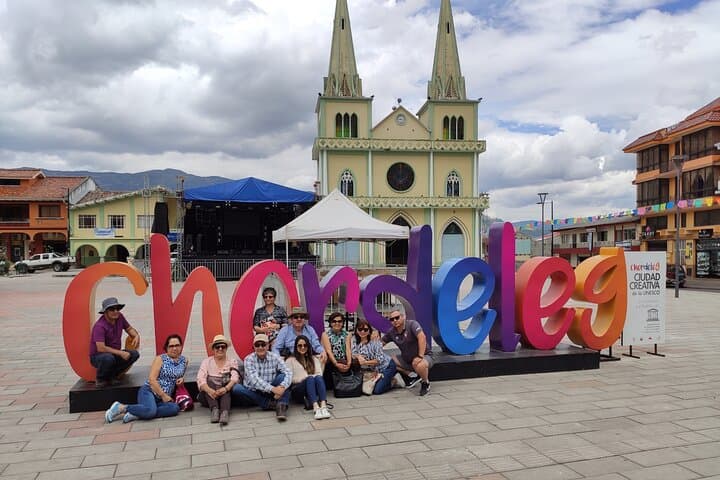
The high Andes shape every stop. El Cajas sits between roughly 3,100–4,400 m with peat bogs and ribbon lakes carved by ancient glaciers; Ingapirca is the largest pre-Columbian site in Ecuador, where Cañari and Inca masonry meet on a windswept ridge at ~3,100 m. Cuenca itself, founded in the 16th century, preserves colonial plazas, vaulted cathedrals and a living crafts tradition—Chordeleg jewelry and Gualaceo leatherwork are regional signatures.
Practical side: expect long vehicle legs (Quito–Cuenca road travel is commonly 8–10 hours overnight), several short walks at high altitude (typical 500 m–2 km circuits), and paved city touring mixed with gravel paths around archaeological sites. Pack layered clothing for sharp daytime sun and cold nights, sunscreen and a refillable water bottle for hydration at altitude. Carry cash for artisan markets and modest entrance fees; wear sturdy walking shoes for uneven ruins and boggy trails. With basic acclimatization and a measured pace, this itinerary balances cultural depth and Andean scenery in three compact days.
easy.
3 days (approximately 72 hours).
Suitable for travelers comfortable with long vehicle transfers and light walking at high altitude; basic stamina for short uphill sections recommended.
The road transfer typically takes 8–10 hours by air-conditioned coach; this tour usually departs Quito at night to arrive in Cuenca the next morning.
Some travelers notice mild symptoms around 2,500–3,500 m; take it easy on arrival, hydrate, and avoid heavy alcohol—seek local medical help if symptoms worsen.
This tour includes accommodation, breakfasts and lunches and tickets to listed attractions, but bring extra cash for snacks, souvenirs and optional purchases.
Infants must sit on an adult’s lap per the tour policy; the itinerary involves long transfers, so consider whether overnight travel is appropriate for young children.
Cuenca was founded in 1557 on older indigenous settlements and retains a strong colonial grid and ecclesiastical architecture; Ingapirca preserves the meeting of Cañari and Inca building traditions.
El Cajas is a protected national park—stay on marked trails to avoid bog damage and pack out waste; support local crafts and responsible tourism to sustain community-based economies.
Quilla Tour Ec operates guided outdoor trips and adventures with an emphasis on safety, stewardship, and memorable experiences.
You step off the night coach into a clear, thin-air morning and Cuenca’s red-tiled roofs spread below, church bells still warm from dawn. The three-day circuit moves fast: a night transfer from Quito, a highland morning in El Cajas with its glacial lagoons, an afternoon touring Cuenca’s historic center and El Turi viewpoint, a day among artisan towns and thermal pools, and a final stop at the stone remains of Ingapirca before returning to Quito.
You step off the night coach into a clear, thin-air morning and Cuenca’s red-tiled roofs spread below, church bells still warm from dawn. The three-day circuit moves fast: a night transfer from Quito, a highland morning in El Cajas with its glacial lagoons, an afternoon touring Cuenca’s historic center and El Turi viewpoint, a day among artisan towns and thermal pools, and a final stop at the stone remains of Ingapirca before returning to Quito.
The high Andes shape every stop. El Cajas sits between roughly 3,100–4,400 m with peat bogs and ribbon lakes carved by ancient glaciers; Ingapirca is the largest pre-Columbian site in Ecuador, where Cañari and Inca masonry meet on a windswept ridge at ~3,100 m. Cuenca itself, founded in the 16th century, preserves colonial plazas, vaulted cathedrals and a living crafts tradition—Chordeleg jewelry and Gualaceo leatherwork are regional signatures.
Practical side: expect long vehicle legs (Quito–Cuenca road travel is commonly 8–10 hours overnight), several short walks at high altitude (typical 500 m–2 km circuits), and paved city touring mixed with gravel paths around archaeological sites. Pack layered clothing for sharp daytime sun and cold nights, sunscreen and a refillable water bottle for hydration at altitude. Carry cash for artisan markets and modest entrance fees; wear sturdy walking shoes for uneven ruins and boggy trails. With basic acclimatization and a measured pace, this itinerary balances cultural depth and Andean scenery in three compact days.