THE ADVENTURE COLLECTIVE® · Independent discovery and booking for outdoor travel

Three full days of South Africa’s varied landscapes: a malaria‑free private game reserve with an open 4x4 safari, wine tastings through Stellenbosch and Franschhoek, and a guided tour of Robben Island. Expect long transfers, rich local history, and practical outdoor time.
Three full days of South Africa’s varied landscapes: a malaria‑free private game reserve with an open 4x4 safari, wine tastings through Stellenbosch and Franschhoek, and a guided tour of Robben Island. Expect long transfers, rich local history, and practical outdoor time.
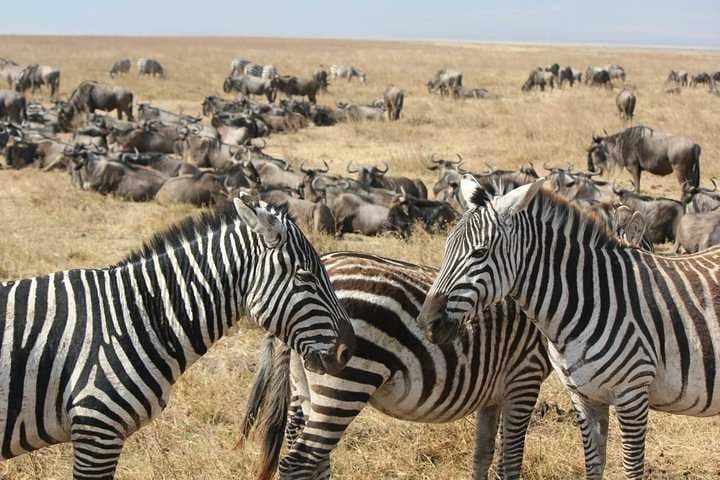
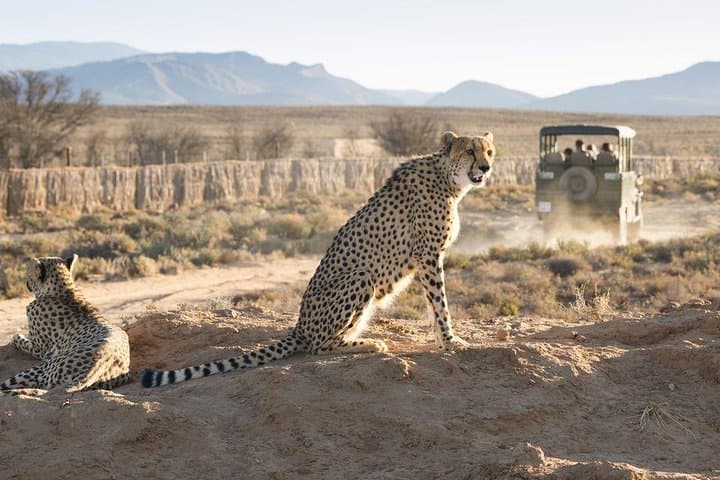
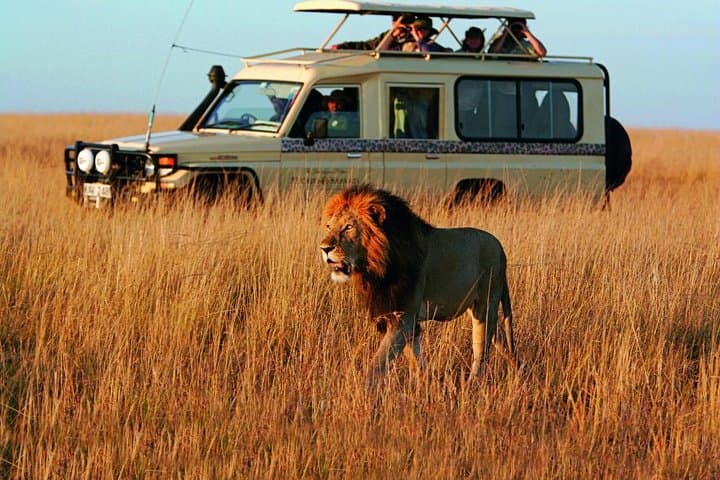
You step out at dawn as the coach slips away from Cape Town’s coastline, the city silhouette shrinking behind Table Mountain while the road heads east toward semi-desert ridges and broad vineyards. By late morning you’re at a private game reserve where the scrub and acacia seem to lean toward the open 4x4 track; giraffes bend their long necks like slow question marks and a ranger’s voice cuts through the quiet before the engine revs for a two‑hour game drive.
Verified experiences and guided adventures in the surrounding area.
Operated by Matadi Africa And Travel Tours · Cape Town, Western Cape
You step out at dawn as the coach slips away from Cape Town’s coastline, the city silhouette shrinking behind Table Mountain while the road heads east toward semi-desert ridges and broad vineyards. By late morning you’re at a private game reserve where the scrub and acacia seem to lean toward the open 4x4 track; giraffes bend their long necks like slow question marks and a ranger’s voice cuts through the quiet before the engine revs for a two‑hour game drive.
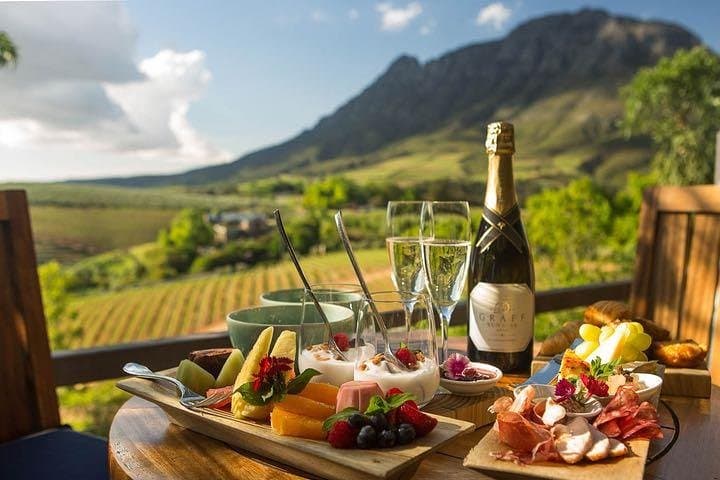
Across the days the landscape changes — the Klein Karoo’s arid flats give way to vine rows and shaded oak lanes of Stellenbosch and Franschhoek. Here the Huguenot legacy and Cape Dutch history show in homesteads and cellar doors; cellar tours explain Chenin Blanc, Pinotage and the region’s méthode cap classique. The final day brings a different shore: a short ferry from the V&A Waterfront to Robben Island, where guided tours pause at Mandela’s cell and traces of the island’s long history as prison, leper colony and lighthouse grounds.
Practical guidance: the itinerary runs over three full days with long coach transfers (expect a 2–3 hour drive to Aquila). Accessibility is generally good but prepare for short walks, ferry boarding and outdoor viewing from open vehicles. Dress smart‑casual but pack sun protection and layers — mornings are cool, noon is hot. Bring passport or ID for Robben Island, and a small day pack with water; Wi‑Fi is available on board the coach. Respect wildlife distances, follow ranger instructions on game drives, and budget for wine purchases if you want bottles to take home.
easy.
3 days.
Basic mobility and the ability to handle short walks, ferry boarding and getting in/out of vehicles; suitable for most fitness levels.
Yes — Aquila Private Game Reserve is in the Western Cape, a non‑malaria area, so no prophylaxis is required for the reserve itself.
The itinerary includes a two‑hour game drive in an open 4x4; sightings depend on animal movement and season, so rangers cannot guarantee specific encounters but reserves work to maximize sightings.
Yes — Robben Island ferries have limited capacity and fill quickly; it’s best to reserve your ferry ticket in advance and bring photo ID the day of the tour.
Many parts of the tour are wheelchair accessible (coach, some cellar areas), but accessibility on Robben Island and in open safari vehicles may be limited—check specific arrangements with the operator before booking.
Robben Island served as a prison for political prisoners including Nelson Mandela; the Winelands trace back to 17th‑century Huguenot settlers who shaped the region’s viticulture.
The reserve operates rescue and rehabilitation programs for displaced wildlife, and responsible tourism practices—stay on designated tracks and avoid feeding animals to reduce human impact.
Matadi Africa And Travel Tours operates guided outdoor trips and adventures with an emphasis on safety, stewardship, and memorable experiences.
You step out at dawn as the coach slips away from Cape Town’s coastline, the city silhouette shrinking behind Table Mountain while the road heads east toward semi-desert ridges and broad vineyards. By late morning you’re at a private game reserve where the scrub and acacia seem to lean toward the open 4x4 track; giraffes bend their long necks like slow question marks and a ranger’s voice cuts through the quiet before the engine revs for a two‑hour game drive.
You step out at dawn as the coach slips away from Cape Town’s coastline, the city silhouette shrinking behind Table Mountain while the road heads east toward semi-desert ridges and broad vineyards. By late morning you’re at a private game reserve where the scrub and acacia seem to lean toward the open 4x4 track; giraffes bend their long necks like slow question marks and a ranger’s voice cuts through the quiet before the engine revs for a two‑hour game drive.
Across the days the landscape changes — the Klein Karoo’s arid flats give way to vine rows and shaded oak lanes of Stellenbosch and Franschhoek. Here the Huguenot legacy and Cape Dutch history show in homesteads and cellar doors; cellar tours explain Chenin Blanc, Pinotage and the region’s méthode cap classique. The final day brings a different shore: a short ferry from the V&A Waterfront to Robben Island, where guided tours pause at Mandela’s cell and traces of the island’s long history as prison, leper colony and lighthouse grounds.
Practical guidance: the itinerary runs over three full days with long coach transfers (expect a 2–3 hour drive to Aquila). Accessibility is generally good but prepare for short walks, ferry boarding and outdoor viewing from open vehicles. Dress smart‑casual but pack sun protection and layers — mornings are cool, noon is hot. Bring passport or ID for Robben Island, and a small day pack with water; Wi‑Fi is available on board the coach. Respect wildlife distances, follow ranger instructions on game drives, and budget for wine purchases if you want bottles to take home.