THE ADVENTURE COLLECTIVE® · Independent discovery and booking for outdoor travel

From the electric pulse of Shark Alley to the measured calm of Franschhoek vineyards, this three-day Cape itinerary pairs high-adrenaline wildlife encounters with scenic drives and curated wine tastings. Expect early mornings, full days, and some of South Africa’s most memorable landscapes.
From the electric pulse of Shark Alley to the measured calm of Franschhoek vineyards, this three-day Cape itinerary pairs high-adrenaline wildlife encounters with scenic drives and curated wine tastings. Expect early mornings, full days, and some of South Africa’s most memorable landscapes.
The bus leaves Cape Town before dawn and the city shrinks behind you as the Atlantic wind sharpens the air. By the time you reach the fishing town of Gansbaai, the harbor smells of salt and diesel; bobbing skiffs nod like waiting teeth. Breakfast is a quick, practical thing—coffee, a safety briefing—and then the boat threads out past the reef-strewn coastline toward Shark Alley. The ocean here is not polite. It rolls with intent, and when the first dorsal breaches, it feels like the sea has announced itself: curious, powerful, uncompromising.
Verified experiences and guided adventures in the surrounding area.
Operated by Matadi Africa And Travel Tours · Gansbaai, Western Cape
The bus leaves Cape Town before dawn and the city shrinks behind you as the Atlantic wind sharpens the air. By the time you reach the fishing town of Gansbaai, the harbor smells of salt and diesel; bobbing skiffs nod like waiting teeth. Breakfast is a quick, practical thing—coffee, a safety briefing—and then the boat threads out past the reef-strewn coastline toward Shark Alley. The ocean here is not polite. It rolls with intent, and when the first dorsal breaches, it feels like the sea has announced itself: curious, powerful, uncompromising.
Across three days the itinerary stitches together two very different faces of the Cape: the raw, predatory theater of the Atlantic and the cultivated geometry of the Winelands. Gansbaai sits on ancient Cape Fold Belt geology—steep, folded sandstones that shatter into cliffs and islands where seals haul out and great whites patrol. The Cape Peninsula, carved from the same rocky grammar, offers sweeping drives over Chapman’s Peak and salt-sprayed views from Cape Point, while Stellenbosch and Franschhoek reveal a different history: Huguenot settlers, Cape Dutch homesteads, and vineyards planted on soils born of decomposed granite and shale.
There’s culture in each stop: Simons Town’s naval past and the penguin colony at Boulders Beach show human and natural histories in close proximity; Franschhoek’s French roots surface in street names and tasting-room rituals. Conservation threads through it all—white sharks are protected here and responsible operators follow strict baiting and handling rules, while vineyards practice a range of sustainable methods, from organic rows to full water-management programs.
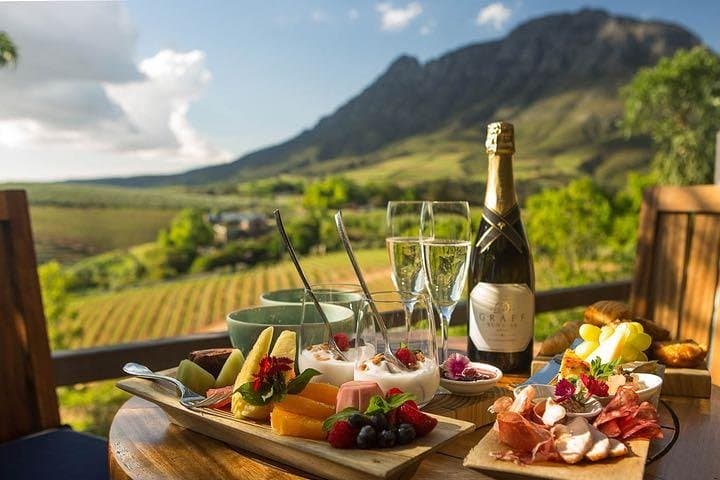
Practical guide: the first day is long—expect a 06:00 pickup and a full day afloat totaling roughly 10–11 hours door to door. Cage time usually totals 2–3 hours on the water; seas can be choppy so seasickness remedies are prudent. Day two is a coast-hugging loop: Clifton and Camps Bay, Chapman's Peak Drive, Cape of Good Hope and optional penguin visits; comfortable walking shoes and a windproof layer are useful. Day three moves inland to Stellenbosch and Franschhoek for three tastings, cellar tours, and the Franschhoek tram—plan for another full day, with time to purchase bottles and sample regional cheeses.
Tips: bring waterproof layers, a small dry bag for cameras, and sunscreen—the Atlantic glare is fierce. Operators usually provide water, lunch, and transfers back to Cape Town; confirm pickup details the day before. Photography is best on overcast mornings for sea shots and at golden hour in the vineyards. If you want certificates of completion for cage diving, ask at booking.
This package balances high-adrenaline wildlife encounters with civilized tasting rooms and epic coastal scenery—ideal for travelers who want a compact, well-run slice of the Cape’s wild and cultivated sides.
moderate.
3 days (each day ~8–11 hours).
Moderate fitness—able to stand on a boat for hours and walk short to moderate distances on uneven ground
Minimum age is 18 for participants in the cage-diving component of this tour.
No—operators maximize chances by anchoring near Shark Alley and using chum responsibly, but marine life is wild and sightings cannot be guaranteed.
Pregnancy and certain mobility restrictions may preclude participation in cage diving; contact the operator with medical details before booking.
Casual smart: layers for wind and sun, comfortable walking shoes, and a light sweater for coastal evenings; vineyards may have a slightly dressier atmosphere.
Yes—hotel pickup and return in Cape Town are typically included; confirm the exact pickup location and time at booking.
Bring antiemetics or use acupressure bands; operators often recommend avoiding alcohol the night before and keeping hydrated during the trip.
The Cape Peninsula and Winelands reflect layered histories—from Khoi-San coastal communities to Dutch and Huguenot settlers who established farms and cellars in the 17th–18th centuries.
White sharks are protected in South Africa and reputable operators follow strict baiting and handling rules; support companies that prioritize education and minimal disturbance.
Matadi Africa And Travel Tours operates guided outdoor trips and adventures with an emphasis on safety, stewardship, and memorable experiences.

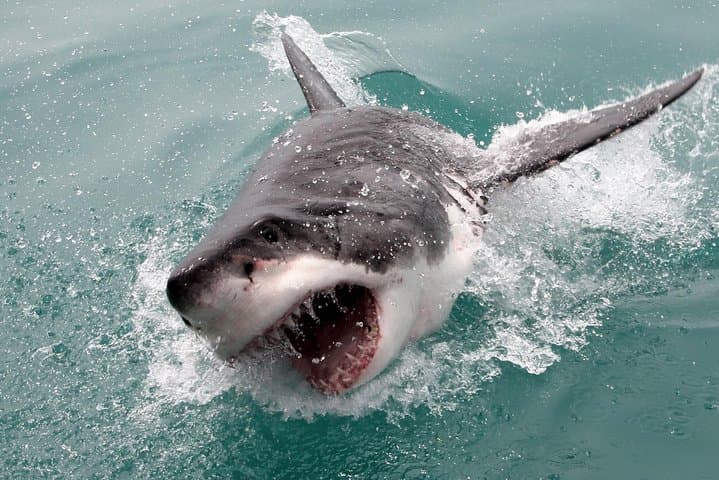
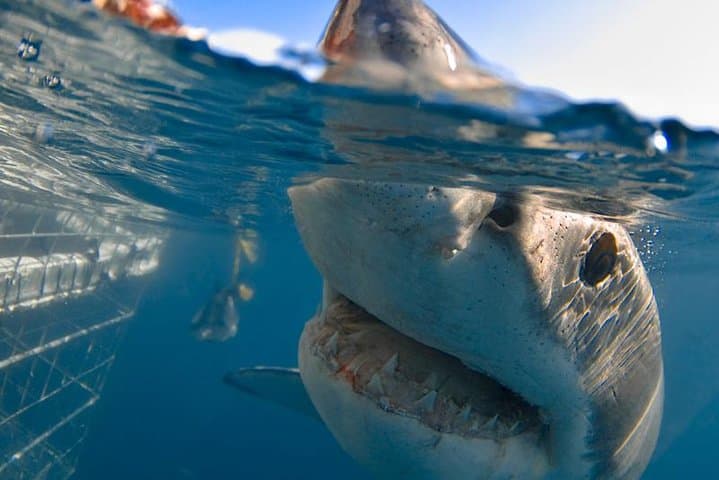
The bus leaves Cape Town before dawn and the city shrinks behind you as the Atlantic wind sharpens the air. By the time you reach the fishing town of Gansbaai, the harbor smells of salt and diesel; bobbing skiffs nod like waiting teeth. Breakfast is a quick, practical thing—coffee, a safety briefing—and then the boat threads out past the reef-strewn coastline toward Shark Alley. The ocean here is not polite. It rolls with intent, and when the first dorsal breaches, it feels like the sea has announced itself: curious, powerful, uncompromising.
The bus leaves Cape Town before dawn and the city shrinks behind you as the Atlantic wind sharpens the air. By the time you reach the fishing town of Gansbaai, the harbor smells of salt and diesel; bobbing skiffs nod like waiting teeth. Breakfast is a quick, practical thing—coffee, a safety briefing—and then the boat threads out past the reef-strewn coastline toward Shark Alley. The ocean here is not polite. It rolls with intent, and when the first dorsal breaches, it feels like the sea has announced itself: curious, powerful, uncompromising.
Across three days the itinerary stitches together two very different faces of the Cape: the raw, predatory theater of the Atlantic and the cultivated geometry of the Winelands. Gansbaai sits on ancient Cape Fold Belt geology—steep, folded sandstones that shatter into cliffs and islands where seals haul out and great whites patrol. The Cape Peninsula, carved from the same rocky grammar, offers sweeping drives over Chapman’s Peak and salt-sprayed views from Cape Point, while Stellenbosch and Franschhoek reveal a different history: Huguenot settlers, Cape Dutch homesteads, and vineyards planted on soils born of decomposed granite and shale.
There’s culture in each stop: Simons Town’s naval past and the penguin colony at Boulders Beach show human and natural histories in close proximity; Franschhoek’s French roots surface in street names and tasting-room rituals. Conservation threads through it all—white sharks are protected here and responsible operators follow strict baiting and handling rules, while vineyards practice a range of sustainable methods, from organic rows to full water-management programs.
Practical guide: the first day is long—expect a 06:00 pickup and a full day afloat totaling roughly 10–11 hours door to door. Cage time usually totals 2–3 hours on the water; seas can be choppy so seasickness remedies are prudent. Day two is a coast-hugging loop: Clifton and Camps Bay, Chapman's Peak Drive, Cape of Good Hope and optional penguin visits; comfortable walking shoes and a windproof layer are useful. Day three moves inland to Stellenbosch and Franschhoek for three tastings, cellar tours, and the Franschhoek tram—plan for another full day, with time to purchase bottles and sample regional cheeses.
Tips: bring waterproof layers, a small dry bag for cameras, and sunscreen—the Atlantic glare is fierce. Operators usually provide water, lunch, and transfers back to Cape Town; confirm pickup details the day before. Photography is best on overcast mornings for sea shots and at golden hour in the vineyards. If you want certificates of completion for cage diving, ask at booking.
This package balances high-adrenaline wildlife encounters with civilized tasting rooms and epic coastal scenery—ideal for travelers who want a compact, well-run slice of the Cape’s wild and cultivated sides.