THE ADVENTURE COLLECTIVE® · Independent discovery and booking for outdoor travel

A brisk three-day introduction to Bhutan that pairs a scenic Paro flight and the cliffside Tiger’s Nest hike with Thimphu’s dzongs and cultural highlights. Ideal for travelers who want a concentrated taste of Himalayan culture and landscapes with clear, practical guidance.
A brisk three-day introduction to Bhutan that pairs a scenic Paro flight and the cliffside Tiger’s Nest hike with Thimphu’s dzongs and cultural highlights. Ideal for travelers who want a concentrated taste of Himalayan culture and landscapes with clear, practical guidance.
The plane banks low over serrated ridgelines and the Paro Valley spreads open like a slate of green bowls cut into the Himalaya. A visitor stepping onto the tarmac feels altitude and silence first: thin air, prayer flags snapping, and a skyline punctuated by fortress-monasteries clinging to steep spurs.
Verified experiences and guided adventures in the surrounding area.
Operated by Alpine Luxury Treks Pvt Ltd · Paro, Paro District
The plane banks low over serrated ridgelines and the Paro Valley spreads open like a slate of green bowls cut into the Himalaya. A visitor stepping onto the tarmac feels altitude and silence first: thin air, prayer flags snapping, and a skyline punctuated by fortress-monasteries clinging to steep spurs.
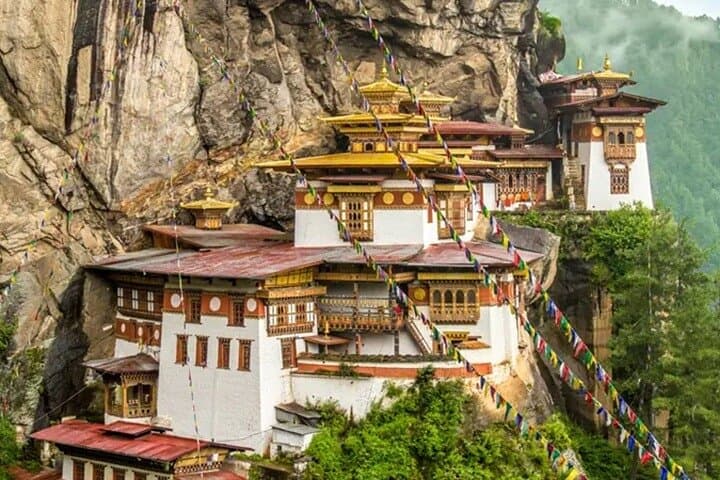
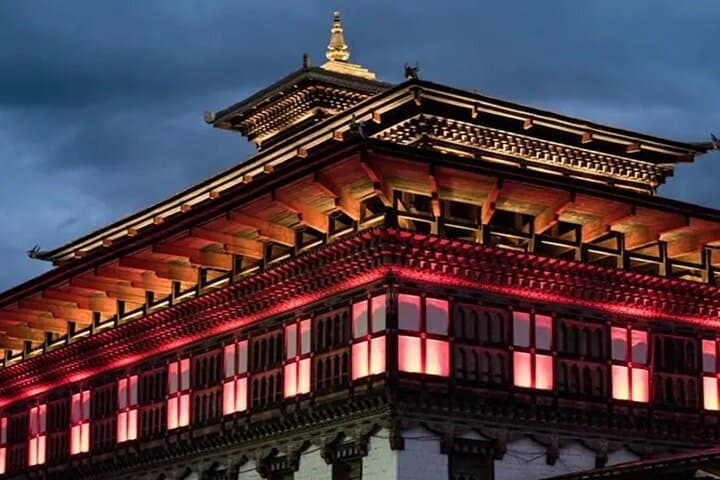
This short, concentrated tour threads Paro’s highlights into three days — a scenic arrival over Himalayan peaks, a hike to Taktsang (Tiger’s Nest), and time in Thimphu’s civic heart. The dzongs you visit — Paro Ta Dzong, Tashichho Dzong — are both administrative hubs and living monasteries, built from locally quarried stone and timber in the seventeenth century when Bhutan’s political-religious order was formed under Zhabdrung Ngawang Namgyal. Geologically the valley is a product of uplift and ancient glaciation; trails rise quickly from river terraces into rhododendron forests and exposed granite ribs.
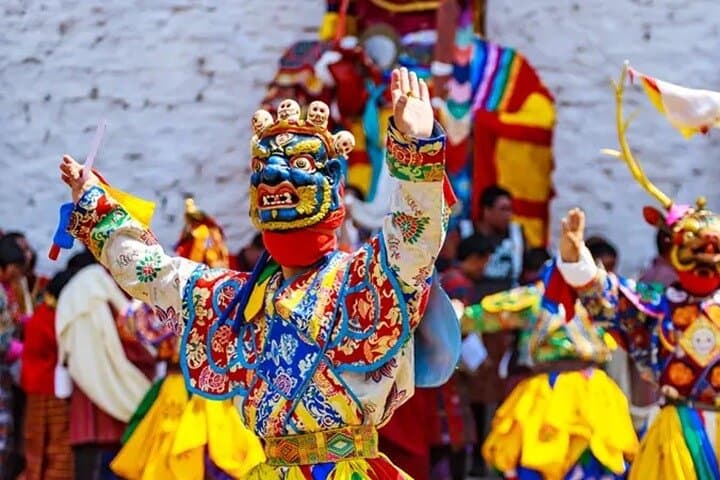
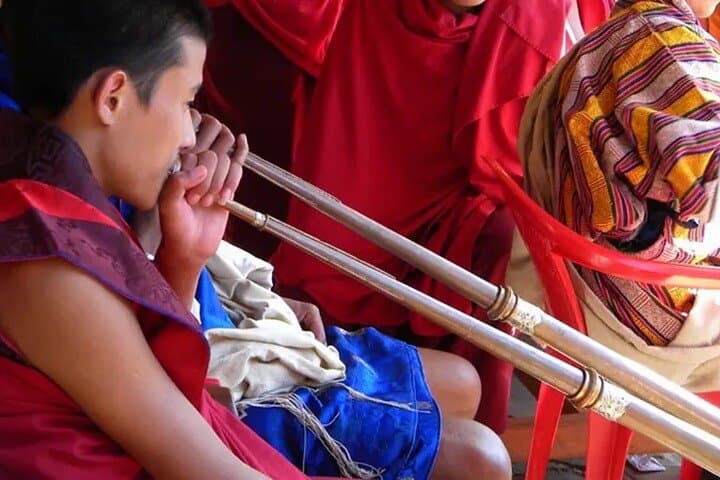
Culturally the pace changes deliberately: rituals, butter lamps, and the ornate modesty of Bhutanese architecture are central. Locals are hospitable but expect respectful dress and quiet at sacred sites. Practical details matter here — visas must be arranged in advance, flights to Paro are weather-dependent, and trails gain altitude fast.
On practical terms: hike to Tiger’s Nest early to avoid clouds; expect 3–4 hours round-trip with roughly 700–900 m of ascent depending on your starting point. Wear broken-in boots, pack layers for diurnal swings, and carry water and basic snacks — there are tea houses on the route but services are simple. Allow half a day in Thimphu to acclimatize and learn how Bhutan manages tourism as a cultural and environmental priority.
moderate.
3 days.
Suitable for travelers in regular health who can handle uphill walking at altitude; light aerobic fitness recommended
Yes. International visitors must obtain a visa organized through a Bhutanese tour operator or approved agency; book at least 3 days in advance as noted by the tour.
Expect a moderate trek: 3–4 hours round-trip with around 700–900 m of elevation gain depending on route; some steep sections and stone steps are involved.
The Bhutanese Ngultrum (BTN) is official; Indian Rupees are widely accepted. Credit card acceptance is limited outside major hotels.
Mild symptoms are possible; allow time to acclimatize, stay hydrated, and avoid strenuous exertion on your first day.
Bhutan’s modern political structure grew around 17th-century dzong construction under Zhabdrung Ngawang Namgyal; these fortress-monasteries still serve religious and administrative roles.
Bhutan limits visitor numbers and emphasizes environmental protection; visitors should follow Leave No Trace principles and respect local conservation rules.
Alpine Luxury Treks Pvt Ltd operates guided outdoor trips and adventures with an emphasis on safety, stewardship, and memorable experiences.
The plane banks low over serrated ridgelines and the Paro Valley spreads open like a slate of green bowls cut into the Himalaya. A visitor stepping onto the tarmac feels altitude and silence first: thin air, prayer flags snapping, and a skyline punctuated by fortress-monasteries clinging to steep spurs.
The plane banks low over serrated ridgelines and the Paro Valley spreads open like a slate of green bowls cut into the Himalaya. A visitor stepping onto the tarmac feels altitude and silence first: thin air, prayer flags snapping, and a skyline punctuated by fortress-monasteries clinging to steep spurs.
This short, concentrated tour threads Paro’s highlights into three days — a scenic arrival over Himalayan peaks, a hike to Taktsang (Tiger’s Nest), and time in Thimphu’s civic heart. The dzongs you visit — Paro Ta Dzong, Tashichho Dzong — are both administrative hubs and living monasteries, built from locally quarried stone and timber in the seventeenth century when Bhutan’s political-religious order was formed under Zhabdrung Ngawang Namgyal. Geologically the valley is a product of uplift and ancient glaciation; trails rise quickly from river terraces into rhododendron forests and exposed granite ribs.
Culturally the pace changes deliberately: rituals, butter lamps, and the ornate modesty of Bhutanese architecture are central. Locals are hospitable but expect respectful dress and quiet at sacred sites. Practical details matter here — visas must be arranged in advance, flights to Paro are weather-dependent, and trails gain altitude fast.
On practical terms: hike to Tiger’s Nest early to avoid clouds; expect 3–4 hours round-trip with roughly 700–900 m of ascent depending on your starting point. Wear broken-in boots, pack layers for diurnal swings, and carry water and basic snacks — there are tea houses on the route but services are simple. Allow half a day in Thimphu to acclimatize and learn how Bhutan manages tourism as a cultural and environmental priority.