THE ADVENTURE COLLECTIVE® · Independent discovery and booking for outdoor travel

Float beneath cathedral-like cave ceilings, climb grassy temple plazas and glide the New River past crocodiles—this three-day Belize loop links five Mayan sites and two cave systems for a compact, adventurous primer on Maya history and Belizean wilderness.
Float beneath cathedral-like cave ceilings, climb grassy temple plazas and glide the New River past crocodiles—this three-day Belize loop links five Mayan sites and two cave systems for a compact, adventurous primer on Maya history and Belizean wilderness.
You step off the water taxi into a humidity that feels like a welcome handshake—the air heavy with wet leaves and the citrus note of guava. Over three days this itinerary moves you across Belize’s living history: sun-browned limestone temples that lift above the canopy, a slow river that carries you past nesting herons, and cave passages where light filters through gypsum and you float on an inner river with only the drip of stalactites for company.
Verified experiences and guided adventures in the surrounding area.
Operated by Cave Tubing R Us · Belize City, Belize District
You step off the water taxi into a humidity that feels like a welcome handshake—the air heavy with wet leaves and the citrus note of guava. Over three days this itinerary moves you across Belize’s living history: sun-browned limestone temples that lift above the canopy, a slow river that carries you past nesting herons, and cave passages where light filters through gypsum and you float on an inner river with only the drip of stalactites for company.
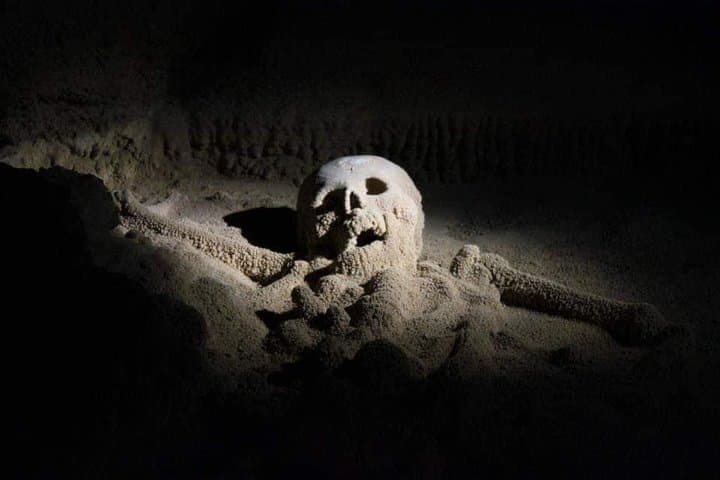
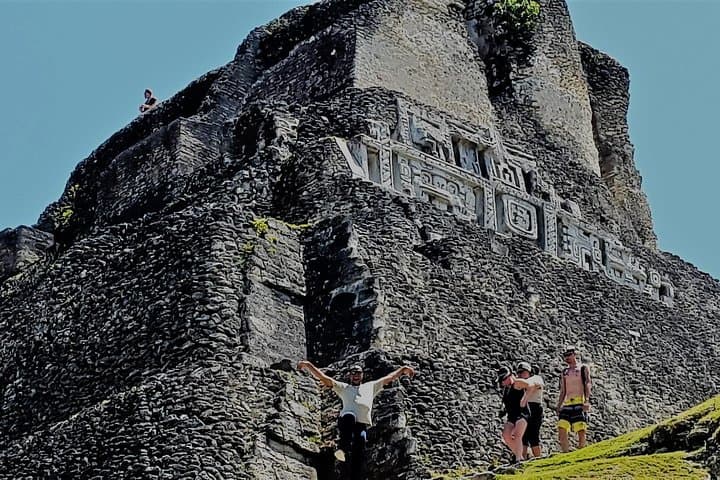
The trip stitches together five of Belize’s most consequential Mayan sites—Altun Ha, Lamanai, Xunantunich—and two cave systems, Nohoch Che’en and the renowned Actun Tunichil Muknal (ATM). The temples here are more than photogenic ruins; they are architectural arguments about political power, trade and ritual. ATM stands out: National Geographic lists it among the world’s sacred places because the cave preserves Maya ceramics and human remains in cold, dry chambers—evidence of ritual journeys into the underworld.
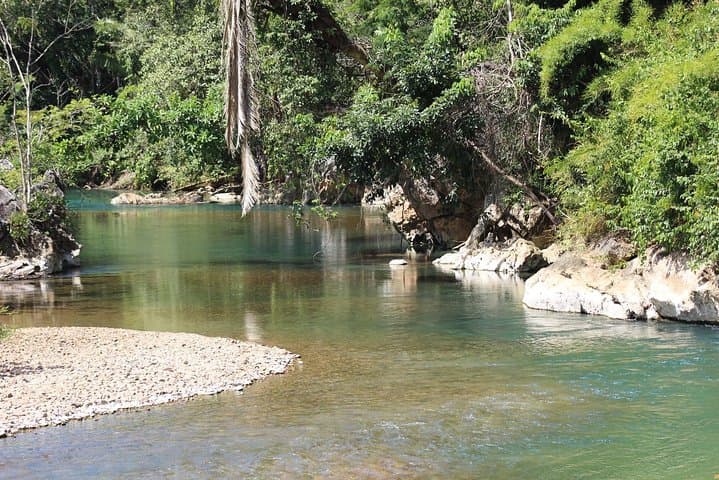
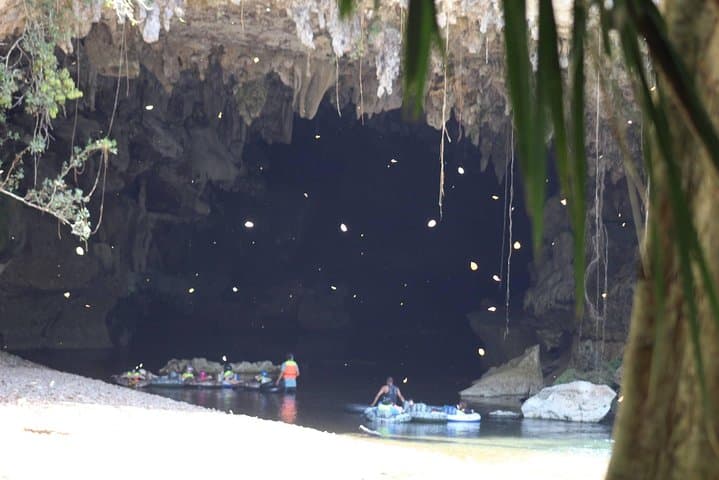
Geology explains the route: Belize sits on a limestone plate scored by rain and rivers. Over millennia that chemistry created sinkholes, underground channels and dramatic cave features—gypsum-coated stalactites, choked flowstones and quiet caverns where the Caves Branch and ATM rivers still run. The New River Lagoon at Lamanai gives you a different angle on the same story—temples rising from swampy ground, crocodiles basking and orchids clinging to branches above the water.
Culture on this trip is local and tangible. Guides are often bilingual and come from nearby communities; lunches feature Belizean staples—rice and beans, stewed chicken, fresh fruit—served with the patience of someone who grew up watching the same jungle rhythms you’re trying to read.
Practical guidance: this is a moderate three-day tour that blends short hikes, a few steep temple stairs and long stretches of tubing and boat travel. Wear grippy closed-toe water shoes for caves and temple climbs, bring a headlamp or small waterproof flashlight for darker cave sections, and pack reef-safe sunscreen and insect repellent. Expect damp clothing and a need to rinse; the operator provides tubing gear, transport and lunches, but bring a dry bag for electronics.
Timing matters—visit in Belize’s dry season (December–April) for easier river access and lower humidity. Respect archaeological rules: some cave chambers are off-limits to protect fragile deposits and human remains. Book early if you want ATM, because park access is limited and guided permits are required.
This three-day loop is both an archaeological primer and a rainforest adventure: you’ll leave with limestone dust on your boots, the scent of riverwater in your hair and a clearer sense of how the Maya built, traveled and expressed the sacred within Belize’s relentless, living landscape.
moderate.
3 days.
Should be comfortable walking 30–60 minutes on uneven terrain, climbing stairs and spending several hours tubing/boating.
ATM involves wading, some swimming and maneuvering over wet rocks; children under 12 or those uncomfortable in caves may find it challenging—check operator age policies.
Most guided tours include transportation, equipment and lunches; confirm whether archaeological site or park entrance fees are included before booking.
Tubing in Nohoch Che’en is calm and guides fit participants with life vests; a basic comfort in water is required but strong swimming is usually not necessary.
Tell the operator your dietary restrictions when booking; lunches are local and can often be adjusted with advance notice.
Some temples have steep, uneven stone steps—expect short but strenuous stair climbs; take your time and use guide assistance where offered.
Belize’s drier window is December through April; May to November is wetter and includes the hurricane season—plan accordingly.
Belize’s major sites were major trade and ritual centers of the Classic Maya; ATM in particular contains ritual deposits and skeletal remains showing cave use as an entrance to the underworld.
Caves and archaeological sites are fragile—avoid touching formations, use reef-safe sunscreen, and support local guides and communities to ensure tourism benefits conservation.
Cave Tubing R Us operates guided outdoor trips and adventures with an emphasis on safety, stewardship, and memorable experiences.
You step off the water taxi into a humidity that feels like a welcome handshake—the air heavy with wet leaves and the citrus note of guava. Over three days this itinerary moves you across Belize’s living history: sun-browned limestone temples that lift above the canopy, a slow river that carries you past nesting herons, and cave passages where light filters through gypsum and you float on an inner river with only the drip of stalactites for company.
You step off the water taxi into a humidity that feels like a welcome handshake—the air heavy with wet leaves and the citrus note of guava. Over three days this itinerary moves you across Belize’s living history: sun-browned limestone temples that lift above the canopy, a slow river that carries you past nesting herons, and cave passages where light filters through gypsum and you float on an inner river with only the drip of stalactites for company.
The trip stitches together five of Belize’s most consequential Mayan sites—Altun Ha, Lamanai, Xunantunich—and two cave systems, Nohoch Che’en and the renowned Actun Tunichil Muknal (ATM). The temples here are more than photogenic ruins; they are architectural arguments about political power, trade and ritual. ATM stands out: National Geographic lists it among the world’s sacred places because the cave preserves Maya ceramics and human remains in cold, dry chambers—evidence of ritual journeys into the underworld.
Geology explains the route: Belize sits on a limestone plate scored by rain and rivers. Over millennia that chemistry created sinkholes, underground channels and dramatic cave features—gypsum-coated stalactites, choked flowstones and quiet caverns where the Caves Branch and ATM rivers still run. The New River Lagoon at Lamanai gives you a different angle on the same story—temples rising from swampy ground, crocodiles basking and orchids clinging to branches above the water.
Culture on this trip is local and tangible. Guides are often bilingual and come from nearby communities; lunches feature Belizean staples—rice and beans, stewed chicken, fresh fruit—served with the patience of someone who grew up watching the same jungle rhythms you’re trying to read.
Practical guidance: this is a moderate three-day tour that blends short hikes, a few steep temple stairs and long stretches of tubing and boat travel. Wear grippy closed-toe water shoes for caves and temple climbs, bring a headlamp or small waterproof flashlight for darker cave sections, and pack reef-safe sunscreen and insect repellent. Expect damp clothing and a need to rinse; the operator provides tubing gear, transport and lunches, but bring a dry bag for electronics.
Timing matters—visit in Belize’s dry season (December–April) for easier river access and lower humidity. Respect archaeological rules: some cave chambers are off-limits to protect fragile deposits and human remains. Book early if you want ATM, because park access is limited and guided permits are required.
This three-day loop is both an archaeological primer and a rainforest adventure: you’ll leave with limestone dust on your boots, the scent of riverwater in your hair and a clearer sense of how the Maya built, traveled and expressed the sacred within Belize’s relentless, living landscape.