THE ADVENTURE COLLECTIVE® · Independent discovery and booking for outdoor travel

Three days of temples, waterfalls and floating villages: rise for Angkor Wat at sunrise, walk tree-engulfed Ta Prohm, see the 1000 linga carvings at Phnom Kulen and ride to Kompong Khleang on Tonle Sap. Practical tips and cultural context for each day.
Three days of temples, waterfalls and floating villages: rise for Angkor Wat at sunrise, walk tree-engulfed Ta Prohm, see the 1000 linga carvings at Phnom Kulen and ride to Kompong Khleang on Tonle Sap. Practical tips and cultural context for each day.
Before dawn the sandstone faces of Angkor Wat hold silhouettes like carved stories—your guide steers you through lanes where monkeys watch first light bloom over towers.
Verified experiences and guided adventures in the surrounding area.
Operated by Angkor Wat Travel Tour · Siem Reap, Siem Reap Province
Before dawn the sandstone faces of Angkor Wat hold silhouettes like carved stories—your guide steers you through lanes where monkeys watch first light bloom over towers.
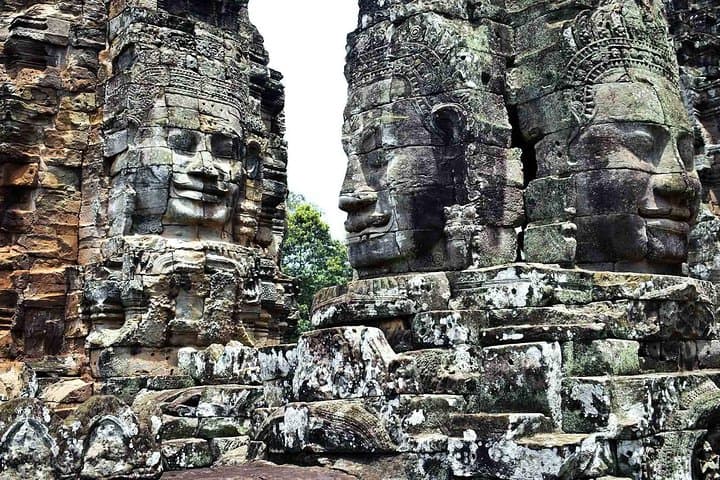
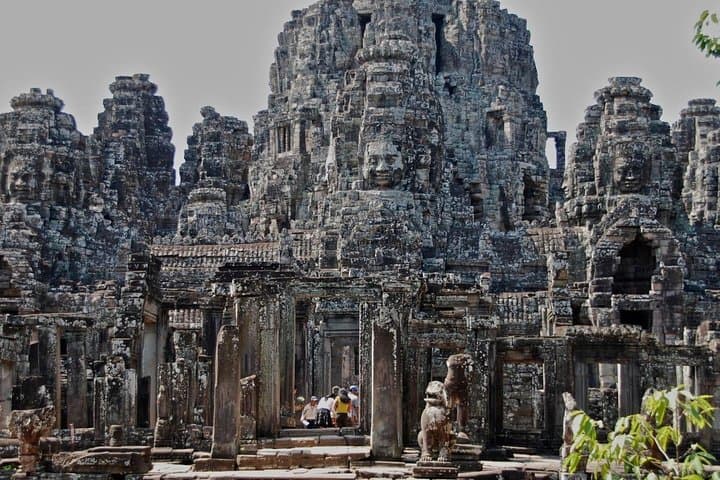
Over three days you move from sunrise platforms and Bayon’s carved faces to the root-locked corridors of Ta Prohm, then out to Banteay Srey’s pink stone and the high plateau of Phnom Kulen where the river has cut bas-relief lingas into the bedrock. Angkor is part city, part jungle: the Khmer Empire raised reservoirs and temple-mountains in the 12th century, engineering barays that still define the flat Siem Reap plain. On day three, the Tonle Sap pushes against stilts and wooden hulls at Kompong Khleang, offering a window into a water-driven way of life.
Expect a mix of easy walking, stepped temple entrances, and short vehicle transfers between sites. Your guide will unpack historical context—Suryavarman II’s dedication to Vishnu, Jayavarman VII’s Buddhist monuments—and point out geological cues: laterite foundations, soft sandstone carvings, and riverine sediment that sustains the lake’s seasonal pulse.
Practical notes: sunrise visits start very early; wear modest, breathable clothing and sturdy shoes for uneven stone. Bring a refillable water bottle, modest cash for village purchases, and a camera with extra battery. Boat rides on Tonle Sap are exposed—prepare for sun and intermittent spray. The itinerary balances top temples with quieter corners; move deliberately, give pieces of the site time to reveal themselves, and follow your guide’s route to avoid the busiest windows.
easy.
3 days.
Light walking ability; able to manage temple steps and short walks of 1–3 miles per day
Yes—Angkor Park admission is a separate ticket purchased at the park entrance; your guide can advise on the 1-, 3- or 7-day pass options.
Yes—the itinerary is rated easy with vehicle transfers and short walks, but expect uneven steps that may be challenging for limited mobility.
Admission is typically not included; confirm with the operator and budget for Angkor pass fees and smaller site fees separately.
Angkor Wat and Ta Prohm are busiest at sunrise and midday—guides often schedule visits to reduce crowding, but expect other visitors year-round.
Angkor Wat was commissioned by King Suryavarman II in the early 12th century as a state temple and mausoleum, and later complexes reflect shifts to Mahayana and Theravada Buddhism under Jayavarman VII.
High visitor numbers strain fragile sandstone carvings and local water systems; follow stay-on-path rules, avoid touching bas-relief, and support local conservation fees when offered.
Angkor Wat Travel Tour operates guided outdoor trips and adventures with an emphasis on safety, stewardship, and memorable experiences.
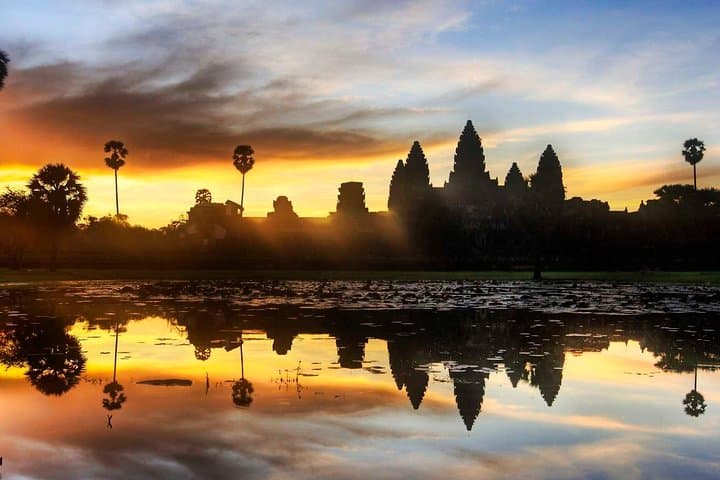
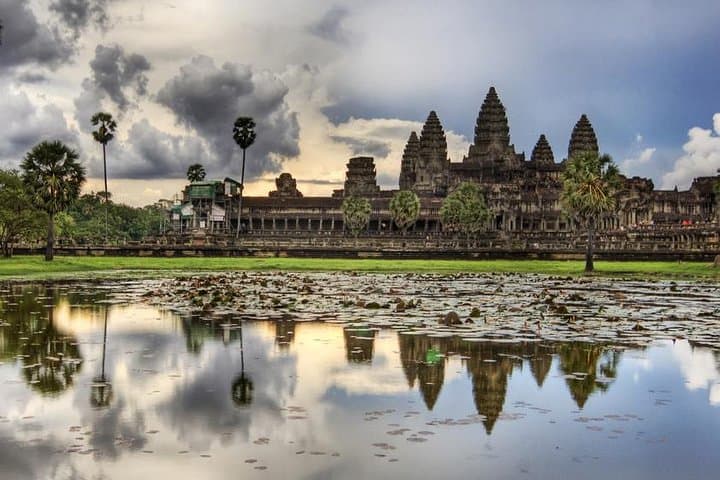
Before dawn the sandstone faces of Angkor Wat hold silhouettes like carved stories—your guide steers you through lanes where monkeys watch first light bloom over towers.
Before dawn the sandstone faces of Angkor Wat hold silhouettes like carved stories—your guide steers you through lanes where monkeys watch first light bloom over towers.
Over three days you move from sunrise platforms and Bayon’s carved faces to the root-locked corridors of Ta Prohm, then out to Banteay Srey’s pink stone and the high plateau of Phnom Kulen where the river has cut bas-relief lingas into the bedrock. Angkor is part city, part jungle: the Khmer Empire raised reservoirs and temple-mountains in the 12th century, engineering barays that still define the flat Siem Reap plain. On day three, the Tonle Sap pushes against stilts and wooden hulls at Kompong Khleang, offering a window into a water-driven way of life.
Expect a mix of easy walking, stepped temple entrances, and short vehicle transfers between sites. Your guide will unpack historical context—Suryavarman II’s dedication to Vishnu, Jayavarman VII’s Buddhist monuments—and point out geological cues: laterite foundations, soft sandstone carvings, and riverine sediment that sustains the lake’s seasonal pulse.
Practical notes: sunrise visits start very early; wear modest, breathable clothing and sturdy shoes for uneven stone. Bring a refillable water bottle, modest cash for village purchases, and a camera with extra battery. Boat rides on Tonle Sap are exposed—prepare for sun and intermittent spray. The itinerary balances top temples with quieter corners; move deliberately, give pieces of the site time to reveal themselves, and follow your guide’s route to avoid the busiest windows.