THE ADVENTURE COLLECTIVE® · Independent discovery and booking for outdoor travel

Explore Angkor’s monumental temples and Phnom Kulen’s forested waterfall across a curated three-day route from Siem Reap. Expect carved stone, steep temple steps and a cool mountain stream — bring sun protection and a respectful dress code.
Explore Angkor’s monumental temples and Phnom Kulen’s forested waterfall across a curated three-day route from Siem Reap. Expect carved stone, steep temple steps and a cool mountain stream — bring sun protection and a respectful dress code.
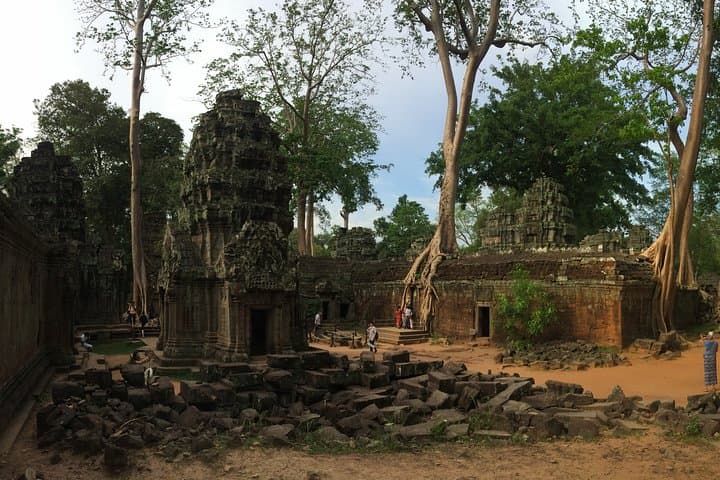
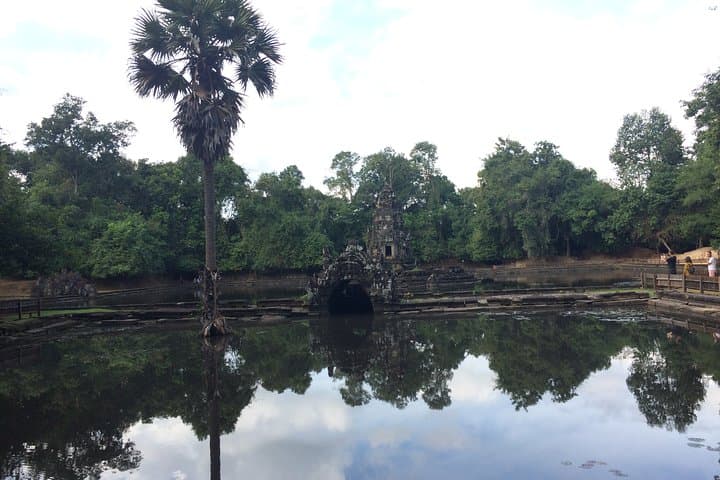
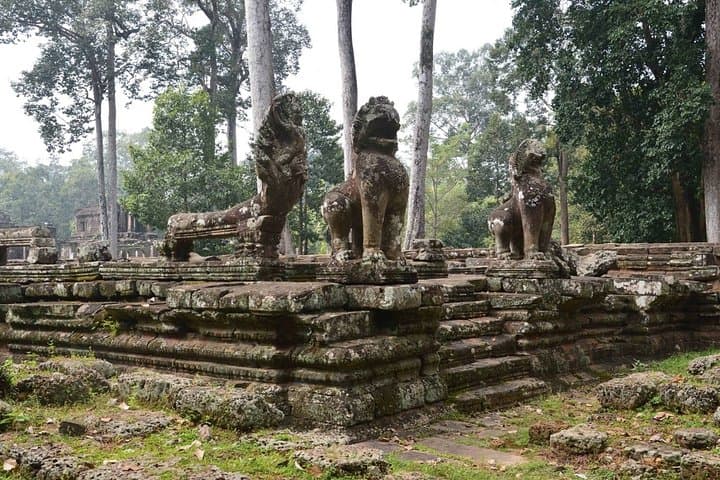
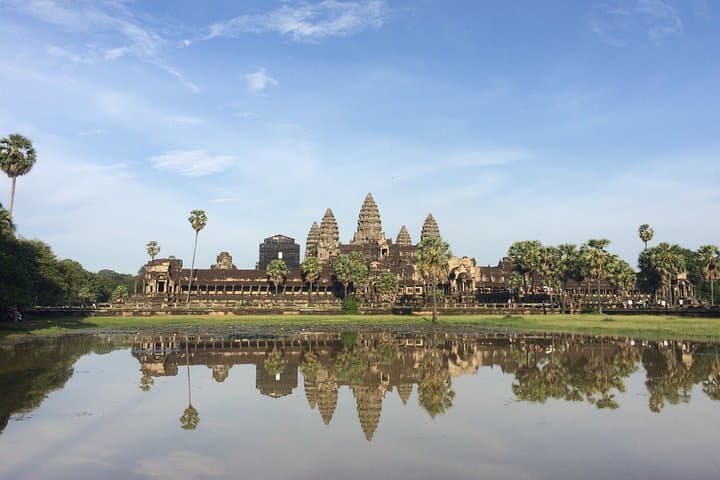
Morning light slices through columns at Angkor Wat as you step off the coach — stone faces and balustrades hold the heat and centuries of ceremony. Over three days the tour moves from the monumental geometry of Angkor Wat and Angkor Thom to the root-choked corridors of Ta Prohm, then climbs north to Phnom Kulen’s forested ridgeline where a plunging waterfall and riverbed carvings wait.
Verified experiences and guided adventures in the surrounding area.
Operated by Angkor Boutique Tours · Siem Reap, Siem Reap Province
Morning light slices through columns at Angkor Wat as you step off the coach — stone faces and balustrades hold the heat and centuries of ceremony. Over three days the tour moves from the monumental geometry of Angkor Wat and Angkor Thom to the root-choked corridors of Ta Prohm, then climbs north to Phnom Kulen’s forested ridgeline where a plunging waterfall and riverbed carvings wait.
Angkor’s temples grew from the Khmer Empire between the 9th and 13th centuries; sandstone and laterite were lifted, carved and aligned to represent Hindu-Buddhist cosmology. Phnom Kulen, a sacred upland once a royal refuge, is also geologically distinct — a plateau of weathered sandstone and dense lychee groves feeding streams that have sculpted shallow basins and the riverbed lintels known as the “River of a Thousand Lingas.” Local culture still threads through markets and rice paddies; guides interpret bas-reliefs that record law, legend and daily life.
Practical guidance: arrive early to avoid heat and crowds, wear clothing that covers shoulders and knees for temple entry, and carry a refillable water bottle and sun protection. Footing is uneven — comfortable, grippy shoes and a light daypack make long walking days easier. Phnom Kulen’s access involves rougher roads and short forest walks; expect humidity and slippery rocks near falls. Respect temple rules, keep sound low in sacred areas, and plan temple-ticket logistics in advance (multi-day passes are required). With basic preparation this three-day itinerary blends archaeology, forested mountain air and the rhythm of rural Cambodia into a compact, accessible adventure.
moderate.
3 days (approx. 8 hours/day).
Comfortable walking fitness; able to climb uneven stone steps and stand for extended periods.
Yes — Angkor tickets are required for Angkor Wat, Angkor Thom and associated temples; multi-day passes are sold at the official ticket center in Siem Reap.
Phnom Kulen includes rough road approaches and short forest walks to the falls; it’s not technical but expect uneven, sometimes muddy terrain and short climbs.
Yes — the tour includes hotel pickup in Siem Reap; confirm exact pickup time with the local operator the day before departure.
Day tours typically include bottled water and occasional cold towels; plan on purchasing meals in Siem Reap or at local restaurants during scheduled breaks.
Angkor’s temple complex grew under Khmer kings between the 9th–13th centuries as both religious centers and royal capitals; Phnom Kulen was an early sacred mountain and source of sandstone and fresh water.
High visitor numbers strain fragile stonework and forest trails — stick to designated paths, avoid touching carvings and carry out waste to help protect the sites.
Angkor Boutique Tours operates guided outdoor trips and adventures with an emphasis on safety, stewardship, and memorable experiences.
Morning light slices through columns at Angkor Wat as you step off the coach — stone faces and balustrades hold the heat and centuries of ceremony. Over three days the tour moves from the monumental geometry of Angkor Wat and Angkor Thom to the root-choked corridors of Ta Prohm, then climbs north to Phnom Kulen’s forested ridgeline where a plunging waterfall and riverbed carvings wait.
Morning light slices through columns at Angkor Wat as you step off the coach — stone faces and balustrades hold the heat and centuries of ceremony. Over three days the tour moves from the monumental geometry of Angkor Wat and Angkor Thom to the root-choked corridors of Ta Prohm, then climbs north to Phnom Kulen’s forested ridgeline where a plunging waterfall and riverbed carvings wait.
Angkor’s temples grew from the Khmer Empire between the 9th and 13th centuries; sandstone and laterite were lifted, carved and aligned to represent Hindu-Buddhist cosmology. Phnom Kulen, a sacred upland once a royal refuge, is also geologically distinct — a plateau of weathered sandstone and dense lychee groves feeding streams that have sculpted shallow basins and the riverbed lintels known as the “River of a Thousand Lingas.” Local culture still threads through markets and rice paddies; guides interpret bas-reliefs that record law, legend and daily life.
Practical guidance: arrive early to avoid heat and crowds, wear clothing that covers shoulders and knees for temple entry, and carry a refillable water bottle and sun protection. Footing is uneven — comfortable, grippy shoes and a light daypack make long walking days easier. Phnom Kulen’s access involves rougher roads and short forest walks; expect humidity and slippery rocks near falls. Respect temple rules, keep sound low in sacred areas, and plan temple-ticket logistics in advance (multi-day passes are required). With basic preparation this three-day itinerary blends archaeology, forested mountain air and the rhythm of rural Cambodia into a compact, accessible adventure.