THE ADVENTURE COLLECTIVE® · Independent discovery and booking for outdoor travel

A focused three-day private circuit from Siem Reap linking Angkor’s major temples with Kulen Waterfall, the hilltop Preah Vihear complex and Tonle Sap’s floating villages — ideal for travelers who want history, geology and local life across varied terrain.
A focused three-day private circuit from Siem Reap linking Angkor’s major temples with Kulen Waterfall, the hilltop Preah Vihear complex and Tonle Sap’s floating villages — ideal for travelers who want history, geology and local life across varied terrain.
Morning light slides across sandstone galleries as you step into Angkor Wat’s central causeway; the stones hum with centuries of footfalls and the air smells of dust and incense. Over three days this private tour moves from the iconic bas-reliefs of Angkor Thom and Ta Prohm’s strangling figs to the rushing cascade of Kulen Waterfall, the cliff-top temple of Preah Vihear, and the stilts and punts of Tonle Sap’s fishing communities.
Verified experiences and guided adventures in the surrounding area.
Operated by Day Trip Cambodia · Siem Reap, Siem Reap Province
Morning light slides across sandstone galleries as you step into Angkor Wat’s central causeway; the stones hum with centuries of footfalls and the air smells of dust and incense. Over three days this private tour moves from the iconic bas-reliefs of Angkor Thom and Ta Prohm’s strangling figs to the rushing cascade of Kulen Waterfall, the cliff-top temple of Preah Vihear, and the stilts and punts of Tonle Sap’s fishing communities.
Geology and history sit side by side: the Khmer empire carved monuments from Permian-age sandstone and sited temples along former river channels that once fed a vast rice economy. Koh Ker’s pyramid temples reflect a short-lived royal center; Preah Vihear’s hilltop perch rewards a boulder-strewn ascent and sweeping border views. Kulen National Park is volcanic in origin, its river courses exposing ancient lingas and reclining Buddhas.
Expect long but manageable driving stretches—Siem Reap to Kulen is roughly 1.5–2 hours; Preah Vihear can be a 3-hour drive each way—interspersed with guided walks of 30–90 minutes at major sites.
Practical edge: bring a valid Angkor pass (entry not included), sun protection, refillable water, and modest clothing that covers shoulders and knees. Wear sturdy walking shoes for uneven temple stones and slippery trails near the waterfall. Early mornings beat the heat and crowds; afternoons are better for the quieter Tonle Sap communities. Cash is useful in villages; be mindful of fragile ruins and local customs. This is a compact, culturally rich three-day circuit that pairs panoramic vistas with intimate encounters inside living, ancient places.
easy.
3 days (full-days each day).
Suitable for travelers in average fitness; involves several short walks, stairs and uneven temple steps.
No; Angkor Park entry fees and any regional site fees (Preah Vihear) are not included—buy passes in Siem Reap or online where available.
Expect 1.5–3 hour drives between major sites—Kulen is about 1.5–2 hours from town, Preah Vihear around 3 hours each way.
This itinerary description does not list accommodations or meals as included; confirm with the operator when booking.
The tour is listed as suitable for all fitness levels, but parents should consider long drives and uneven terrain for young children.
The Angkor complex grew between the 9th and 15th centuries under Khmer kings who engineered reservoirs and roadways; Preah Vihear later became a strategic hilltop sanctuary.
Kulen National Park and Tonle Sap are protected but face pressures from tourism and resource use—stick to paths, avoid touching carvings, and support community-run ecotourism initiatives.
Day Trip Cambodia operates guided outdoor trips and adventures with an emphasis on safety, stewardship, and memorable experiences.

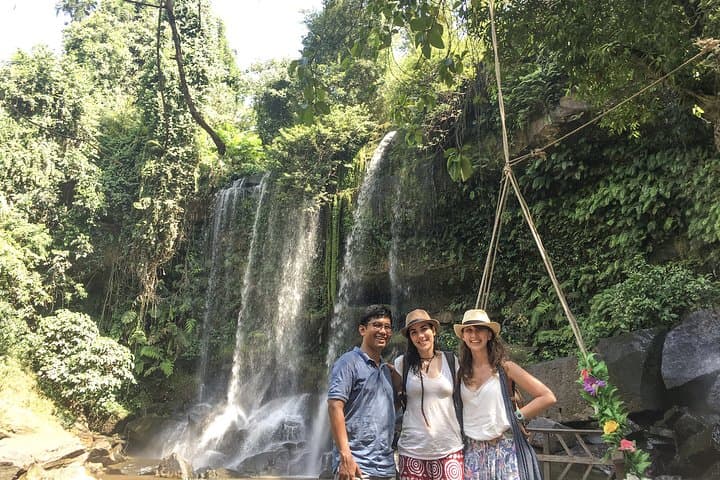

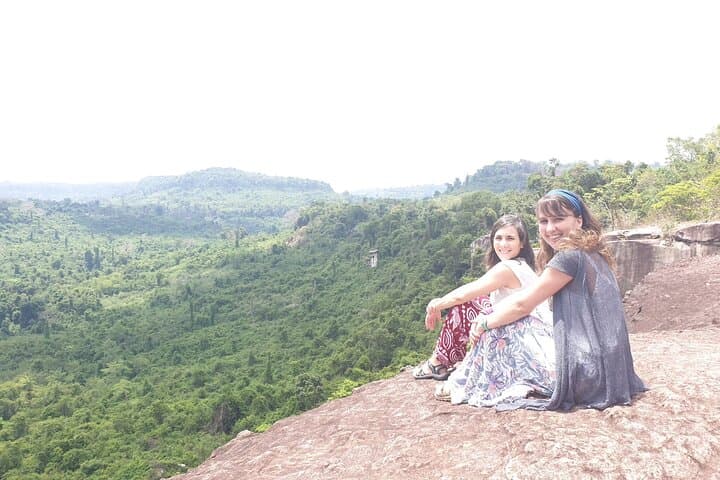
Morning light slides across sandstone galleries as you step into Angkor Wat’s central causeway; the stones hum with centuries of footfalls and the air smells of dust and incense. Over three days this private tour moves from the iconic bas-reliefs of Angkor Thom and Ta Prohm’s strangling figs to the rushing cascade of Kulen Waterfall, the cliff-top temple of Preah Vihear, and the stilts and punts of Tonle Sap’s fishing communities.
Morning light slides across sandstone galleries as you step into Angkor Wat’s central causeway; the stones hum with centuries of footfalls and the air smells of dust and incense. Over three days this private tour moves from the iconic bas-reliefs of Angkor Thom and Ta Prohm’s strangling figs to the rushing cascade of Kulen Waterfall, the cliff-top temple of Preah Vihear, and the stilts and punts of Tonle Sap’s fishing communities.
Geology and history sit side by side: the Khmer empire carved monuments from Permian-age sandstone and sited temples along former river channels that once fed a vast rice economy. Koh Ker’s pyramid temples reflect a short-lived royal center; Preah Vihear’s hilltop perch rewards a boulder-strewn ascent and sweeping border views. Kulen National Park is volcanic in origin, its river courses exposing ancient lingas and reclining Buddhas.
Expect long but manageable driving stretches—Siem Reap to Kulen is roughly 1.5–2 hours; Preah Vihear can be a 3-hour drive each way—interspersed with guided walks of 30–90 minutes at major sites.
Practical edge: bring a valid Angkor pass (entry not included), sun protection, refillable water, and modest clothing that covers shoulders and knees. Wear sturdy walking shoes for uneven temple stones and slippery trails near the waterfall. Early mornings beat the heat and crowds; afternoons are better for the quieter Tonle Sap communities. Cash is useful in villages; be mindful of fragile ruins and local customs. This is a compact, culturally rich three-day circuit that pairs panoramic vistas with intimate encounters inside living, ancient places.