THE ADVENTURE COLLECTIVE® · Independent discovery and booking for outdoor travel

Walk 5.5–6 km through three distinct Saigon neighborhoods—District 4 alleys, Chợ Lớn’s market streets, and wartime sites—on a four-hour guided tour that pairs local flavors with city history.
Walk 5.5–6 km through three distinct Saigon neighborhoods—District 4 alleys, Chợ Lớn’s market streets, and wartime sites—on a four-hour guided tour that pairs local flavors with city history.
You step off the main street into an alley no wider than a doorway and Saigon changes its volume—motorbikes recede, voices sharpen, and steam rises from a street-side coffee press. The tour threads through District 4’s cramped lanes, pushes into Chợ Lớn (Chinatown) and finishes at wartime sites that still hold stories in their brickwork.
Verified experiences and guided adventures in the surrounding area.
Operated by See You In Viet Nam · Ho Chi Minh City, Ho Chi Minh City
You step off the main street into an alley no wider than a doorway and Saigon changes its volume—motorbikes recede, voices sharpen, and steam rises from a street-side coffee press. The tour threads through District 4’s cramped lanes, pushes into Chợ Lớn (Chinatown) and finishes at wartime sites that still hold stories in their brickwork.
Saigon sits on the flat alluvial plain of the lower Mekong, a city shaped more by trade and migration than by mountains. Chợ Lớn grew in the 18th–19th centuries as Chinese merchants settled and built tiled temples and herbal shops; the tour spots a colorful Chinese-style Buddhist temple and Herbal Medicine Street where centuries of trade still meet scooters and neon. The Burning Monk site recalls the 1963 self-immolation protest that became a flashpoint during the Vietnam War; nearby, the Commando Safe House opens a window into clandestine urban history.
Expect roughly 5.5–6 km of walking across paved streets, narrow alleyways, and occasional uneven market floors. Plan for sensory overload—fragrant coffee, clamoring fish vendors, and the hiss of street kitchens. Morning departures avoid the worst heat and make coffee stops more rewarding.
Practical tips: wear supportive shoes, carry cash for small purchases, and bring a reusable water bottle. Respect temple customs—shoulders and knees covered—and follow your guide through tight alleys. In four hours you’ll not only see Saigon’s neighborhoods, you’ll understand why this city resists easy explanation.
easy.
4 hours.
Suitable for most travelers who can walk 6 km over urban terrain; light mobility limitations may apply.
Meeting is typically in central Ho Chi Minh City near a well-known landmark; your booking confirmation will list the exact meeting point and time.
The tour includes tastings like Vietnamese coffee, herbal tea, and seasonal fruit, but plan for additional purchases if you want full meals.
Yes—it's labeled physically easy, but expect tight alleys and several short walking segments; notify the operator of mobility needs when booking.
The tour is run in English; check with the operator for guides in other languages or private-tour options.
Chợ Lớn developed as a Chinese trading district in the 18th–19th centuries and remains a cultural hub; wartime sites on the route recall urban resistance and political protests from the 20th century.
Support small vendors and minimize single-use plastics in markets; stick to paths and respect temple grounds to reduce wear on historic sites.
See You In Viet Nam operates guided outdoor trips and adventures with an emphasis on safety, stewardship, and memorable experiences.


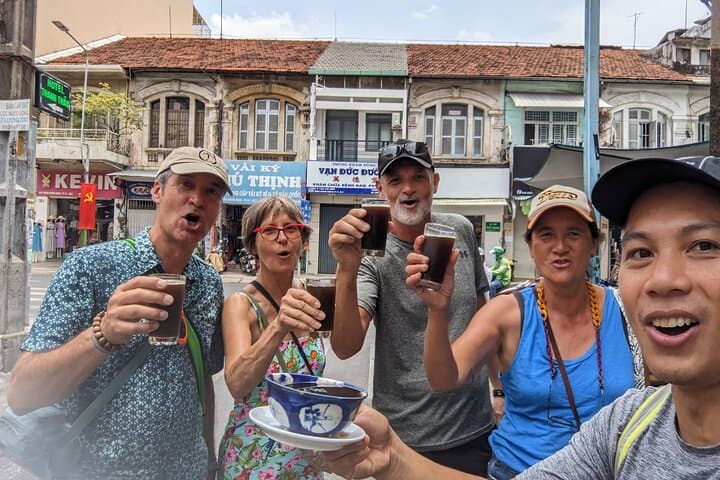
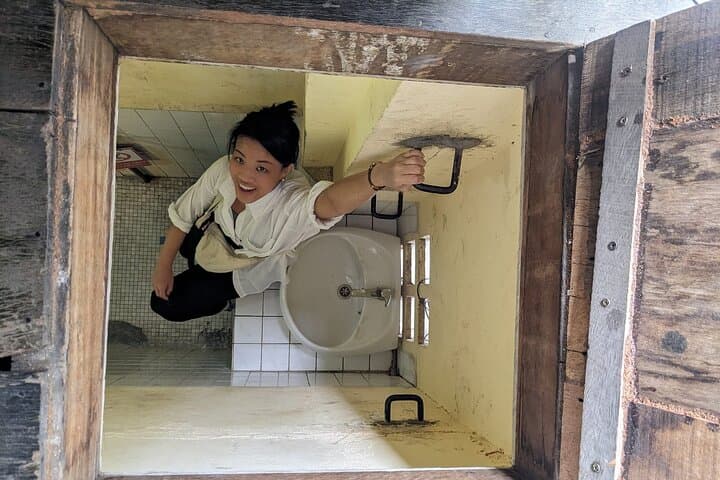
You step off the main street into an alley no wider than a doorway and Saigon changes its volume—motorbikes recede, voices sharpen, and steam rises from a street-side coffee press. The tour threads through District 4’s cramped lanes, pushes into Chợ Lớn (Chinatown) and finishes at wartime sites that still hold stories in their brickwork.
You step off the main street into an alley no wider than a doorway and Saigon changes its volume—motorbikes recede, voices sharpen, and steam rises from a street-side coffee press. The tour threads through District 4’s cramped lanes, pushes into Chợ Lớn (Chinatown) and finishes at wartime sites that still hold stories in their brickwork.
Saigon sits on the flat alluvial plain of the lower Mekong, a city shaped more by trade and migration than by mountains. Chợ Lớn grew in the 18th–19th centuries as Chinese merchants settled and built tiled temples and herbal shops; the tour spots a colorful Chinese-style Buddhist temple and Herbal Medicine Street where centuries of trade still meet scooters and neon. The Burning Monk site recalls the 1963 self-immolation protest that became a flashpoint during the Vietnam War; nearby, the Commando Safe House opens a window into clandestine urban history.
Expect roughly 5.5–6 km of walking across paved streets, narrow alleyways, and occasional uneven market floors. Plan for sensory overload—fragrant coffee, clamoring fish vendors, and the hiss of street kitchens. Morning departures avoid the worst heat and make coffee stops more rewarding.
Practical tips: wear supportive shoes, carry cash for small purchases, and bring a reusable water bottle. Respect temple customs—shoulders and knees covered—and follow your guide through tight alleys. In four hours you’ll not only see Saigon’s neighborhoods, you’ll understand why this city resists easy explanation.