THE ADVENTURE COLLECTIVE® · Independent discovery and booking for outdoor travel

Drive the coastal spine of Arrábida to visit three historic fortresses—Sesimbra, Palmela and Setúbal—on a private full-day tour that pairs short walks with panoramic views and local gastronomy.
Drive the coastal spine of Arrábida to visit three historic fortresses—Sesimbra, Palmela and Setúbal—on a private full-day tour that pairs short walks with panoramic views and local gastronomy.
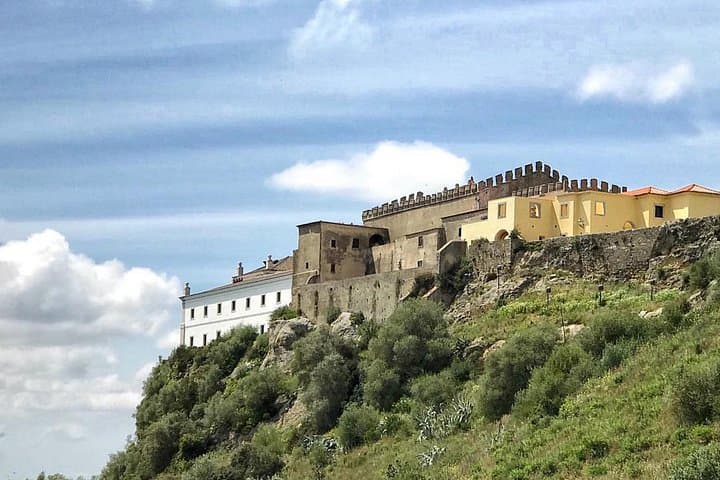
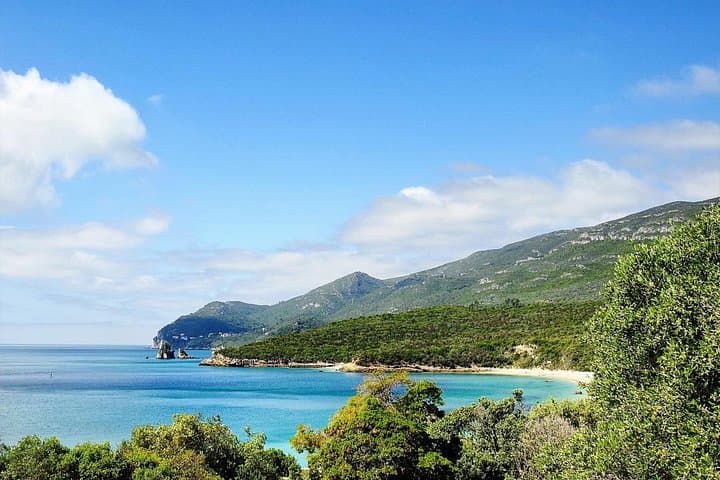
A low-slung van winds down from the Lisboa plain into Arrábida’s steep green ribs, the Atlantic opening like a sudden blue page. Salt-scented pines lean toward the sea as the driver eases onto the road that connects three strategic crowns—Sesimbra’s cliffside fort, Palmela’s hilltop keep, and Setúbal’s coastal stronghold. The day moves at a deliberate pace: short walks, broad views, and pauses where the coastline dares you to look farther.
Verified experiences and guided adventures in the surrounding area.
Operated by bedrocktours · Setúbal, Setúbal District
A low-slung van winds down from the Lisboa plain into Arrábida’s steep green ribs, the Atlantic opening like a sudden blue page. Salt-scented pines lean toward the sea as the driver eases onto the road that connects three strategic crowns—Sesimbra’s cliffside fort, Palmela’s hilltop keep, and Setúbal’s coastal stronghold. The day moves at a deliberate pace: short walks, broad views, and pauses where the coastline dares you to look farther.
These castles mark centuries of contested approaches to the Tagus estuary. Palmela’s fortress sits on a limestone outcrop that has watched Phoenicians, Romans and Moors move through the region; Sesimbra’s bay grew from a fishing hamlet into a defensive anchor against Atlantic raids; Setúbal’s position guarded salt and sardine routes that shaped local commerce. Geology here is telling—soft Cretaceous limestones worn into steep cliffs and sheltered coves, with vineyards clinging to terraced slopes.
Culture surfaces in markets and plates: fresh fish sold at dawn, local chorizo and cheese, and Muscat wines from nearby vineyards. Expect short, uneven paths and staircases at each site and enough flat sightseeing to suit varied fitness levels.
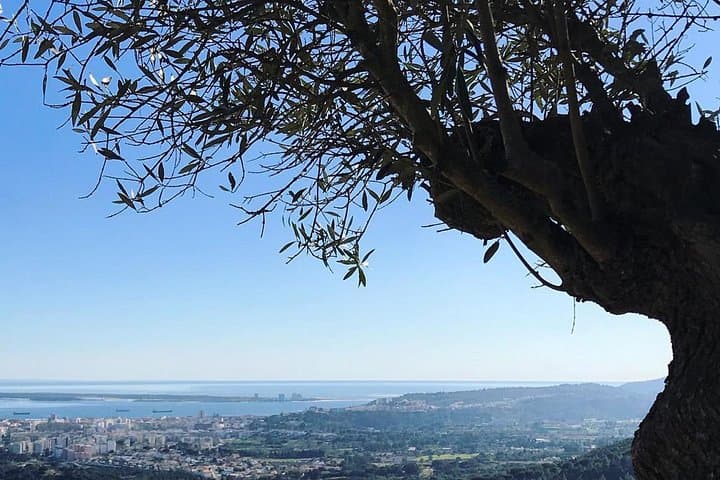
Practical guidance: wear sturdy shoes, bring sun protection and a light layer for coastal winds. Morning light is best for photos in Sesimbra; Palmela gives the widest panorama of the Tagus and surrounding plains. Tours often include bottled water, hotel pickup and a local driver-guide—use that time to ask about nearby wine estates or quieter coves if you want to extend the day.
easy.
8–9 hours.
Suitable for most fitness levels; the day includes short walks and standing at viewpoints.
Yes—private tours commonly include hotel pickup and drop-off within Lisbon; confirm your pickup location when booking.
Each castle requires short walks and some stair climbing; total hiking is minimal and suitable for most travelers.
Food is typically not included, but tours visit local towns where you can sample seafood, pastries and regional wines; bottled water is often provided.
Transport is wheelchair accessible, but access at historic castles may be limited due to uneven terrain and stairs—check specifics with the operator.
These fortifications trace strategic movements from Phoenician trade to medieval maritime defence; control of the Tagus approaches influenced Lisbon’s rise.
Arrábida Natural Park protects limestone coastal ecosystems; stick to marked paths to avoid fragile shrubland and support local conservation rules.
bedrocktours operates guided outdoor trips and adventures with an emphasis on safety, stewardship, and memorable experiences.

A low-slung van winds down from the Lisboa plain into Arrábida’s steep green ribs, the Atlantic opening like a sudden blue page. Salt-scented pines lean toward the sea as the driver eases onto the road that connects three strategic crowns—Sesimbra’s cliffside fort, Palmela’s hilltop keep, and Setúbal’s coastal stronghold. The day moves at a deliberate pace: short walks, broad views, and pauses where the coastline dares you to look farther.
A low-slung van winds down from the Lisboa plain into Arrábida’s steep green ribs, the Atlantic opening like a sudden blue page. Salt-scented pines lean toward the sea as the driver eases onto the road that connects three strategic crowns—Sesimbra’s cliffside fort, Palmela’s hilltop keep, and Setúbal’s coastal stronghold. The day moves at a deliberate pace: short walks, broad views, and pauses where the coastline dares you to look farther.
These castles mark centuries of contested approaches to the Tagus estuary. Palmela’s fortress sits on a limestone outcrop that has watched Phoenicians, Romans and Moors move through the region; Sesimbra’s bay grew from a fishing hamlet into a defensive anchor against Atlantic raids; Setúbal’s position guarded salt and sardine routes that shaped local commerce. Geology here is telling—soft Cretaceous limestones worn into steep cliffs and sheltered coves, with vineyards clinging to terraced slopes.
Culture surfaces in markets and plates: fresh fish sold at dawn, local chorizo and cheese, and Muscat wines from nearby vineyards. Expect short, uneven paths and staircases at each site and enough flat sightseeing to suit varied fitness levels.
Practical guidance: wear sturdy shoes, bring sun protection and a light layer for coastal winds. Morning light is best for photos in Sesimbra; Palmela gives the widest panorama of the Tagus and surrounding plains. Tours often include bottled water, hotel pickup and a local driver-guide—use that time to ask about nearby wine estates or quieter coves if you want to extend the day.