THE ADVENTURE COLLECTIVE® · Independent discovery and booking for outdoor travel

A full-day trip from Portland along the northern Oregon coast that visits Cape Meares, Cape Kiwanda and Neskowin—old-growth spruce, tide pools, a 240-foot sand dune, and a WWII blimp hangar. Ideal for photographers, geology fans, and anyone who wants a compact but complete coastal experience.
A full-day trip from Portland along the northern Oregon coast that visits Cape Meares, Cape Kiwanda and Neskowin—old-growth spruce, tide pools, a 240-foot sand dune, and a WWII blimp hangar. Ideal for photographers, geology fans, and anyone who wants a compact but complete coastal experience.
You step out of the van and the ocean takes a breath. Salt and kelp, wind working like a silent clock, and a cliff-line that folds into offshore stacks—this is the Three Capes Scenic Loop in northern Oregon. Over ten hours you’ll move from Willamette Valley farmland into old-growth Sitka spruce, down to wind-swept beaches, and up a 240-foot coastal dune where the sand will slide under your boots and dare you to sprint back down.
Verified experiences and guided adventures in the surrounding area.
Operated by Terran Travels · Pacific City, Oregon
You step out of the van and the ocean takes a breath. Salt and kelp, wind working like a silent clock, and a cliff-line that folds into offshore stacks—this is the Three Capes Scenic Loop in northern Oregon. Over ten hours you’ll move from Willamette Valley farmland into old-growth Sitka spruce, down to wind-swept beaches, and up a 240-foot coastal dune where the sand will slide under your boots and dare you to sprint back down.
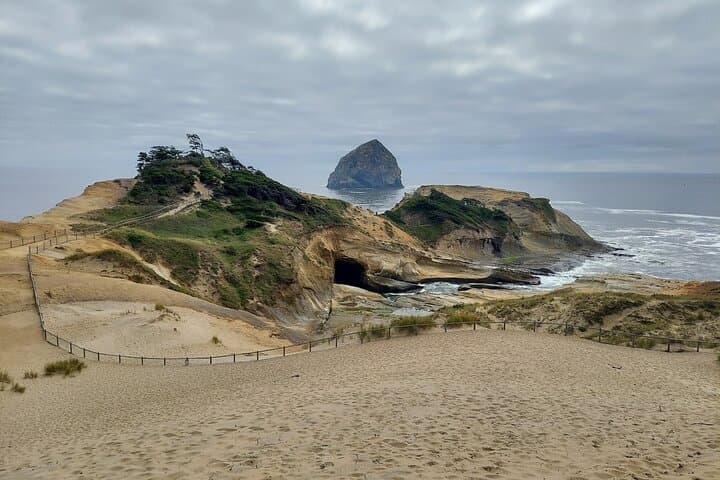
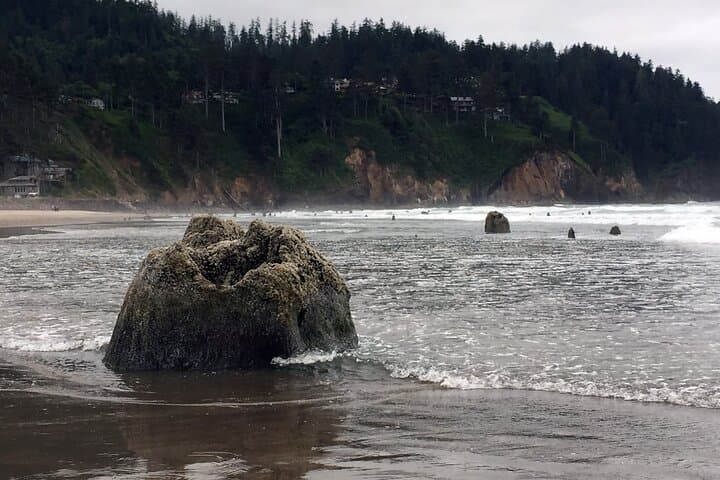
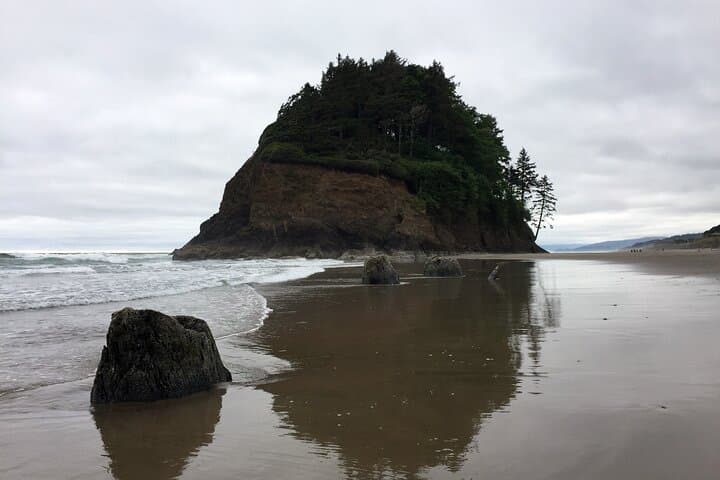
The route threads through places shaped by ice and sea. The coastal headlands are basalt ramparts carved by Pleistocene lava flows and then gnawed into arches and monoliths by the Pacific. Cape Kiwanda’s sandstone cliffs host the fourth-tallest offshore monolith in the world; Cape Meares keeps an 1890s lighthouse that has watched storms and shipping routes for more than a century. Between them, Neskowin’s Proposal Rock and the exposed stumps of the Ghost Forest tell geological stories—sudden subsidence, tsunami, and long cycles of shoreline change.
Culture here is layered. Indigenous Tillamook people lived off salmon and shellfish for millennia; later, lumber, cheese and aviation brought waves of industry. A stop in Tillamook can include the Air Museum—housed in a WWII blimp hangar that’s the largest clear-span wooden structure on Earth—or the cheese factory, where conveyor belts and stainless steel make Americana tangible.
Practicalities: the full loop is a 10–11 hour day from Portland, with about 2–2.5 hours of driving each way depending on traffic. Hikes are short: expect forest walks of under a mile with minimal elevation change (roughly 50–150 ft gain), and the dune climb at Cape Kiwanda is a steep 240 ft (73 m) ascent/descent across loose sand. Terrain alternates paved viewpoints, gravel beach access, packed dirt trails through spruce, and soft sand.
Pack for variable weather: layered waterproofs, sturdy footwear that can handle both sand and slick rock, and a daypack with water and snacks. Tide windows matter—plan low-tide for tidepooling and to walk out to Proposal Rock. Wildlife sightings often include harbor seals hauled out on rocks, seabirds wheeling over stacks, and seasonal gray whale migration offshore.
Timing is everything: morning light is best on Cape Meares, late afternoon softens the sandstone at Kiwanda for photos, and mid-tide is prime for tide pools. Guides will pace stops—be ready for short walks and bring a camera with a mid-range zoom and a windproof jacket. The loop is an ideal one-day immersion in the Oregon Coast’s geology, natural history, and small-town character—an accessible, sensory-rich stretch of coastline that asks only curiosity and good boots.
moderate.
10–11 hours.
Light to moderate fitness—able to handle short hikes, stairs, and a steep sand climb of ~240 ft
The tour runs about 10–11 hours total, with roughly 2–2.5 hours driving each way from the Portland area, including multiple short stops and walkable viewpoints.
Yes—when tides permit; guides will time stops for low tide. Wear non-slip shoes and never pry animals from rocks—observe only.
The dune is steep and composed of loose sand; it’s physically demanding but short—expect a 10–20 minute climb depending on pace.
There are restroom facilities at main parks and in towns like Tillamook and Pacific City; the itinerary includes a lunch stop in a coastal town with eateries.
The tour is family-friendly; beach areas are stroller-accessible in places, but dune climbs and some viewpoints require walking over uneven ground.
Harbor seals are commonly visible on rocks; gray whales swim the coast seasonally (main migration in spring and fall) and may be spotted from headlands.
The loop passes coastal sites used for centuries by Indigenous Tillamook communities; later maritime traffic, lighthouses (late 1800s), and WWII aviation shaped the region’s modern story.
Tidepools are fragile—follow low-impact viewing and leave organisms in place; dunes and beach vegetation recover slowly, so stay on marked trails.
Terran Travels operates guided outdoor trips and adventures with an emphasis on safety, stewardship, and memorable experiences.

You step out of the van and the ocean takes a breath. Salt and kelp, wind working like a silent clock, and a cliff-line that folds into offshore stacks—this is the Three Capes Scenic Loop in northern Oregon. Over ten hours you’ll move from Willamette Valley farmland into old-growth Sitka spruce, down to wind-swept beaches, and up a 240-foot coastal dune where the sand will slide under your boots and dare you to sprint back down.
You step out of the van and the ocean takes a breath. Salt and kelp, wind working like a silent clock, and a cliff-line that folds into offshore stacks—this is the Three Capes Scenic Loop in northern Oregon. Over ten hours you’ll move from Willamette Valley farmland into old-growth Sitka spruce, down to wind-swept beaches, and up a 240-foot coastal dune where the sand will slide under your boots and dare you to sprint back down.
The route threads through places shaped by ice and sea. The coastal headlands are basalt ramparts carved by Pleistocene lava flows and then gnawed into arches and monoliths by the Pacific. Cape Kiwanda’s sandstone cliffs host the fourth-tallest offshore monolith in the world; Cape Meares keeps an 1890s lighthouse that has watched storms and shipping routes for more than a century. Between them, Neskowin’s Proposal Rock and the exposed stumps of the Ghost Forest tell geological stories—sudden subsidence, tsunami, and long cycles of shoreline change.
Culture here is layered. Indigenous Tillamook people lived off salmon and shellfish for millennia; later, lumber, cheese and aviation brought waves of industry. A stop in Tillamook can include the Air Museum—housed in a WWII blimp hangar that’s the largest clear-span wooden structure on Earth—or the cheese factory, where conveyor belts and stainless steel make Americana tangible.
Practicalities: the full loop is a 10–11 hour day from Portland, with about 2–2.5 hours of driving each way depending on traffic. Hikes are short: expect forest walks of under a mile with minimal elevation change (roughly 50–150 ft gain), and the dune climb at Cape Kiwanda is a steep 240 ft (73 m) ascent/descent across loose sand. Terrain alternates paved viewpoints, gravel beach access, packed dirt trails through spruce, and soft sand.
Pack for variable weather: layered waterproofs, sturdy footwear that can handle both sand and slick rock, and a daypack with water and snacks. Tide windows matter—plan low-tide for tidepooling and to walk out to Proposal Rock. Wildlife sightings often include harbor seals hauled out on rocks, seabirds wheeling over stacks, and seasonal gray whale migration offshore.
Timing is everything: morning light is best on Cape Meares, late afternoon softens the sandstone at Kiwanda for photos, and mid-tide is prime for tide pools. Guides will pace stops—be ready for short walks and bring a camera with a mid-range zoom and a windproof jacket. The loop is an ideal one-day immersion in the Oregon Coast’s geology, natural history, and small-town character—an accessible, sensory-rich stretch of coastline that asks only curiosity and good boots.