THE ADVENTURE COLLECTIVE® · Independent discovery and booking for outdoor travel

A compact, two‑hour pilgrimage hike linking the modern Buddha Dordenma statue with the ancient Changangkha temple. Expect shaded pine trails, prayer flags, and close‑up encounters with Thimphu’s living spiritual culture.
A compact, two‑hour pilgrimage hike linking the modern Buddha Dordenma statue with the ancient Changangkha temple. Expect shaded pine trails, prayer flags, and close‑up encounters with Thimphu’s living spiritual culture.
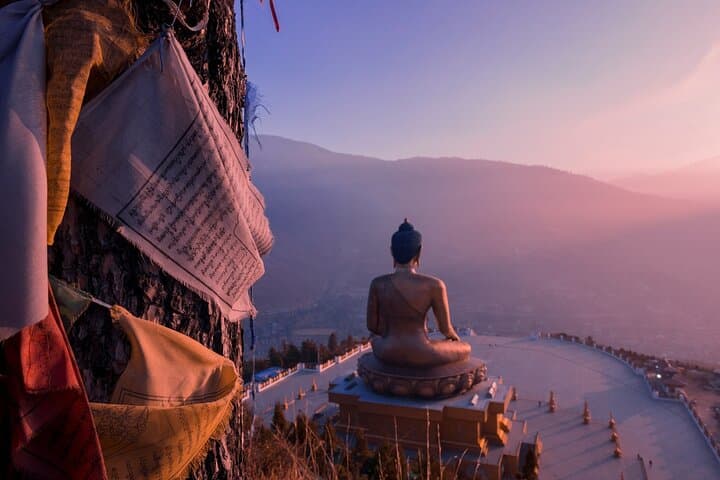
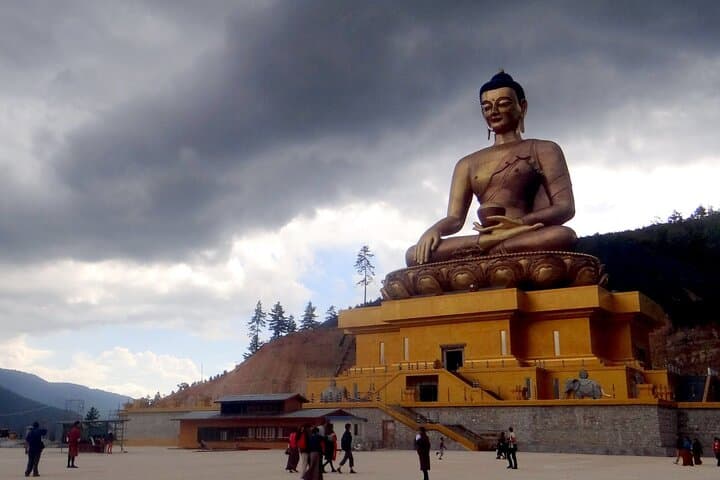
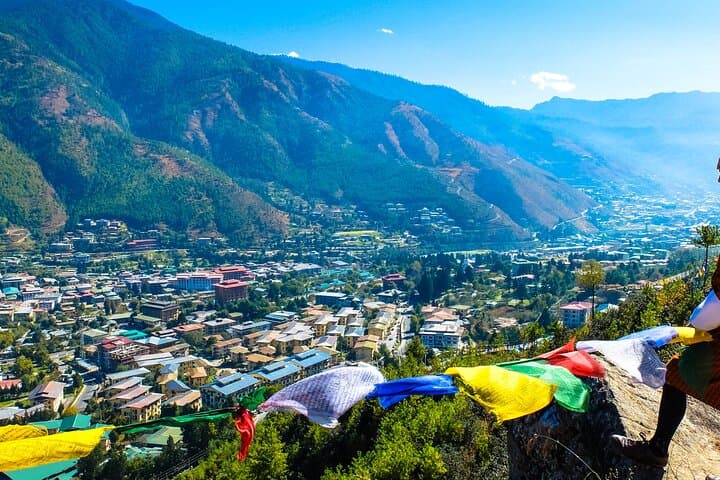
You step out where the road thins and prayer flags stitch color into a cool pine breeze. Above, the Dordenma Buddha watches the city with a calm, gilded gaze — a 51 m monument completed in 2015 — and below a narrow forest trail threads toward an older world: Changangkha, an 800‑year‑old temple where families still bring newborns for blessings.
Verified experiences and guided adventures in the surrounding area.
Operated by BARBIL TOURS · Thimphu, Thimphu District
You step out where the road thins and prayer flags stitch color into a cool pine breeze. Above, the Dordenma Buddha watches the city with a calm, gilded gaze — a 51 m monument completed in 2015 — and below a narrow forest trail threads toward an older world: Changangkha, an 800‑year‑old temple where families still bring newborns for blessings.
The walk is short — roughly 3 km and about two hours at a relaxed pace — but it compresses Thimphu’s layers: contemporary monumental Buddhism and intimate village rituals. The geology here is young Himalayan foothills, carved into small ridgelines and shallow gullies, leaving fits of blue pine, moss, and spring rhododendron that scent the air. Culture arrives in small acts — prayer flags, spinning prayer wheels, and whispered mantras — and in the human logistics of temple queues for child blessings.
Expect a well‑trodden dirt path, shaded stretches, and brief view cuts that frame Thimphu like a painting. Entry to Buddha Point requires a small fee (Nu 500); Changangkha accepts modest donations. Morning or late afternoon light is best for photos and cooler walking. Dress respectfully for temples, wear sturdy shoes for roots and slick patches, and carry water — altitude and sun can surprise even on an easy itinerary.
This is not a high‑altitude expedition but a local pilgrimage stroll: practical, sensory, and quietly revealing of Bhutan's living traditions.
easy.
2 hours.
Suitable for most fitness levels; minimal elevation change but allow for high‑altitude breathing if you're new to Bhutan
The route is roughly 3 km and typically takes about 2 hours round‑trip; it’s classified easy with well‑worn trails and minimal technical difficulty.
Yes — Buddha Dordenma has an entry fee (about Nu 500); small donations are common at temples like Changangkha.
Yes; the trail is family‑friendly though caregivers should note altitude and bring appropriate layers and water.
Local arrangements often include pickup in Thimphu; a guide isn’t required but can enrich cultural context and handle logistics.
The route links the modern Kuenselphodrang Buddha (completed 2015) with Changangkha Lhakhang, a temple serving Thimphu families for roughly 800 years.
Stick to marked trails to protect rhododendron and moss communities; avoid leaving offerings that include plastic or non‑biodegradable items.
BARBIL TOURS operates guided outdoor trips and adventures with an emphasis on safety, stewardship, and memorable experiences.
You step out where the road thins and prayer flags stitch color into a cool pine breeze. Above, the Dordenma Buddha watches the city with a calm, gilded gaze — a 51 m monument completed in 2015 — and below a narrow forest trail threads toward an older world: Changangkha, an 800‑year‑old temple where families still bring newborns for blessings.
You step out where the road thins and prayer flags stitch color into a cool pine breeze. Above, the Dordenma Buddha watches the city with a calm, gilded gaze — a 51 m monument completed in 2015 — and below a narrow forest trail threads toward an older world: Changangkha, an 800‑year‑old temple where families still bring newborns for blessings.
The walk is short — roughly 3 km and about two hours at a relaxed pace — but it compresses Thimphu’s layers: contemporary monumental Buddhism and intimate village rituals. The geology here is young Himalayan foothills, carved into small ridgelines and shallow gullies, leaving fits of blue pine, moss, and spring rhododendron that scent the air. Culture arrives in small acts — prayer flags, spinning prayer wheels, and whispered mantras — and in the human logistics of temple queues for child blessings.
Expect a well‑trodden dirt path, shaded stretches, and brief view cuts that frame Thimphu like a painting. Entry to Buddha Point requires a small fee (Nu 500); Changangkha accepts modest donations. Morning or late afternoon light is best for photos and cooler walking. Dress respectfully for temples, wear sturdy shoes for roots and slick patches, and carry water — altitude and sun can surprise even on an easy itinerary.
This is not a high‑altitude expedition but a local pilgrimage stroll: practical, sensory, and quietly revealing of Bhutan's living traditions.