THE ADVENTURE COLLECTIVE® · Independent discovery and booking for outdoor travel

Walk from the Parliament Cenotaph through to Chinatown in a 2–2.5 hour guided tour that layers Victoria’s Indigenous heritage, colonial architecture, and hidden alleyway stories. Ideal for curious travelers who prefer close-up urban history over long hikes.
Walk from the Parliament Cenotaph through to Chinatown in a 2–2.5 hour guided tour that layers Victoria’s Indigenous heritage, colonial architecture, and hidden alleyway stories. Ideal for curious travelers who prefer close-up urban history over long hikes.
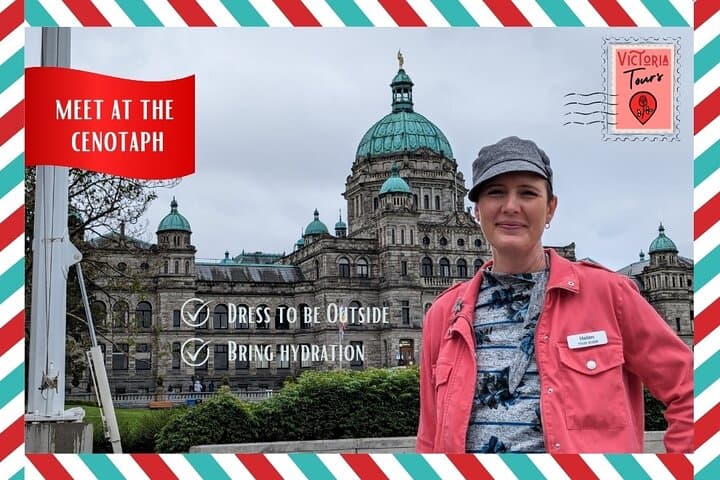
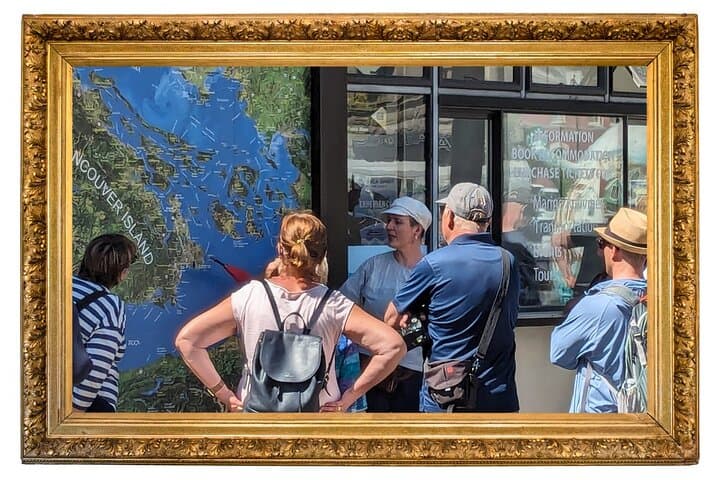
You meet at the cenotaph on the Parliament lawns, the harbour breeze nudging the flags as the guide gathers the group. Stone façades, totem poles and narrow alleys unfold ahead: in two hours the city’s past steps forward and pulls you along, from ceremonial houses and courthouse blocks to the compressed lanes of Chinatown.
Verified experiences and guided adventures in the surrounding area.
Operated by Victoria Tours · Victoria, British Columbia
You meet at the cenotaph on the Parliament lawns, the harbour breeze nudging the flags as the guide gathers the group. Stone façades, totem poles and narrow alleys unfold ahead: in two hours the city’s past steps forward and pulls you along, from ceremonial houses and courthouse blocks to the compressed lanes of Chinatown.
Victoria’s streets are layered. The sandstone and carved wood of late‑19th‑century civic architecture sit on top of Coast Salish territory; totem poles in Thunderbird Park mark Indigenous presence and cultural resilience. Geologically, the peninsula is compact—glacially sculpted bedrock with a shallow soil veneer—so city blocks deliver sudden views of sea and sky.
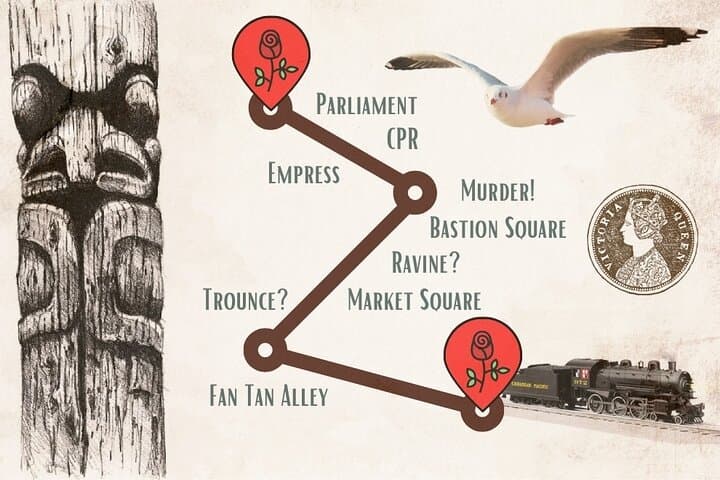
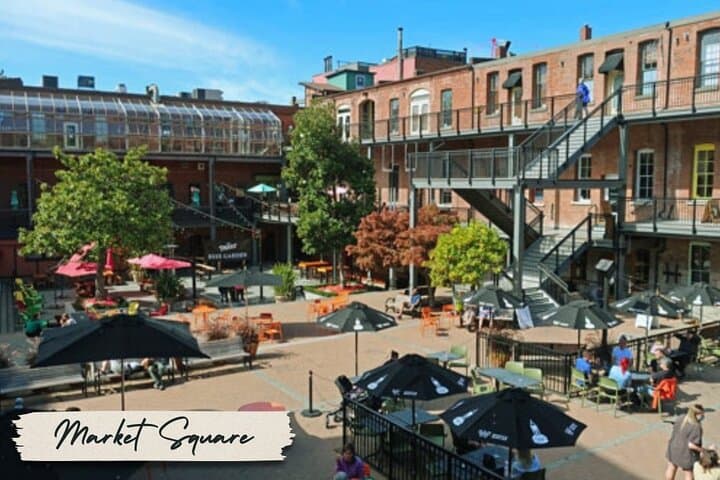
Culture here is lived in storefronts and alleys: Fan Tan Alley and Trounce Alley speak to immigrant life, opium dens, gambling and the commerce that defined Victoria’s role as a Pacific outpost. The guide pairs anecdote with archival fact, turning a courthouse doorway into a story about law and order, and a ravine into a visible dividing line of colonial settlement.
Practical guidance: the route covers under 2 km over 2–2.5 hours with multiple short stops. Paths are paved but may include uneven cobbles and steps; wheelchairs and strollers work with occasional detours. Bring a windproof layer and comfortable shoes, and time your tour in the morning or late afternoon to avoid peak cruise-ship crowds. Hydration and a charged phone for photos are smart; the tour is family‑friendly and dog‑service‑animal accessible. This is a compact, historically rich walk that rewards close attention more than athletic effort.
easy.
2–2.5 hours.
Suitable for most fitness levels; involves standing and short walking intervals rather than sustained exertion
Yes—wheelchairs and strollers can be accommodated, though the guide may take detours around historic sites with steps.
The route covers less than 2 km with multiple stops and storytelling breaks over about 2–2.5 hours.
Minors 16 and under ride free; the tour is family-friendly and suitable for children able to walk short distances.
Tours may be canceled if weather is severe; check cancellation policy—full refund is available if you cancel at least 24 hours in advance.
Victoria developed as a colonial port and government centre in the mid‑1800s; Chinatown is one of North America’s oldest, shaped by migration and commerce during the Gold Rush era.
Respect culturally important sites like totem poles and ceremonial grounds; stick to paved routes and avoid trampling plantings near historic buildings to limit erosion and wear.
Victoria Tours operates guided outdoor trips and adventures with an emphasis on safety, stewardship, and memorable experiences.
You meet at the cenotaph on the Parliament lawns, the harbour breeze nudging the flags as the guide gathers the group. Stone façades, totem poles and narrow alleys unfold ahead: in two hours the city’s past steps forward and pulls you along, from ceremonial houses and courthouse blocks to the compressed lanes of Chinatown.
You meet at the cenotaph on the Parliament lawns, the harbour breeze nudging the flags as the guide gathers the group. Stone façades, totem poles and narrow alleys unfold ahead: in two hours the city’s past steps forward and pulls you along, from ceremonial houses and courthouse blocks to the compressed lanes of Chinatown.
Victoria’s streets are layered. The sandstone and carved wood of late‑19th‑century civic architecture sit on top of Coast Salish territory; totem poles in Thunderbird Park mark Indigenous presence and cultural resilience. Geologically, the peninsula is compact—glacially sculpted bedrock with a shallow soil veneer—so city blocks deliver sudden views of sea and sky.
Culture here is lived in storefronts and alleys: Fan Tan Alley and Trounce Alley speak to immigrant life, opium dens, gambling and the commerce that defined Victoria’s role as a Pacific outpost. The guide pairs anecdote with archival fact, turning a courthouse doorway into a story about law and order, and a ravine into a visible dividing line of colonial settlement.
Practical guidance: the route covers under 2 km over 2–2.5 hours with multiple short stops. Paths are paved but may include uneven cobbles and steps; wheelchairs and strollers work with occasional detours. Bring a windproof layer and comfortable shoes, and time your tour in the morning or late afternoon to avoid peak cruise-ship crowds. Hydration and a charged phone for photos are smart; the tour is family‑friendly and dog‑service‑animal accessible. This is a compact, historically rich walk that rewards close attention more than athletic effort.