THE ADVENTURE COLLECTIVE® · Independent discovery and booking for outdoor travel

Step into a staged retrospective where Picasso’s performer persona is the main act. This Tate Modern exhibition arranges 45+ works to reframe The Three Dancers and the artist’s relationship with performance.
Step into a staged retrospective where Picasso’s performer persona is the main act. This Tate Modern exhibition arranges 45+ works to reframe The Three Dancers and the artist’s relationship with performance.
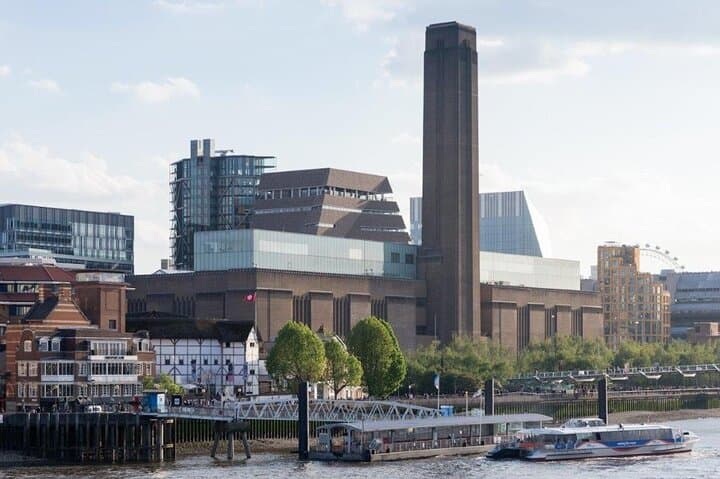
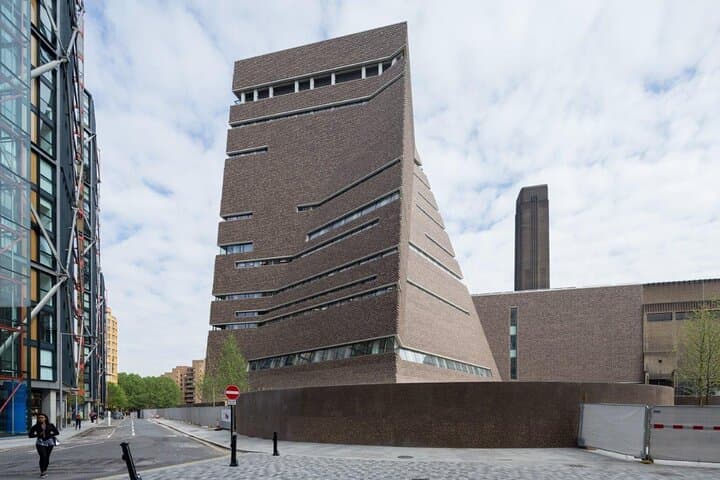
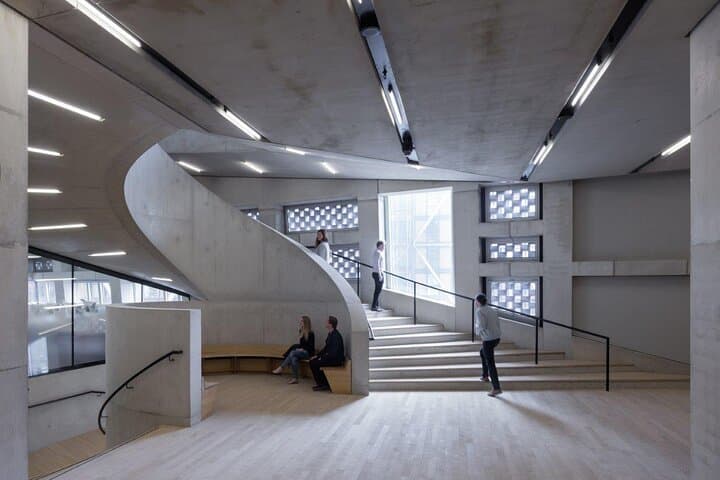
Standing on the Bankside, the Tate Modern’s brick maw opens onto the Thames; inside, light moves across canvases arranged like stage props. The Theatre Picasso exhibition stages more than paintings — it stages Persona. Walk through galleries where Wu Tsang and Enrique Fuenteblanca have arranged over 45 works, and the rooms feel deliberate, as if Picasso’s characters might step off the canvas.
Verified experiences and guided adventures in the surrounding area.
Operated by Tate · London, England
Standing on the Bankside, the Tate Modern’s brick maw opens onto the Thames; inside, light moves across canvases arranged like stage props. The Theatre Picasso exhibition stages more than paintings — it stages Persona. Walk through galleries where Wu Tsang and Enrique Fuenteblanca have arranged over 45 works, and the rooms feel deliberate, as if Picasso’s characters might step off the canvas.
The show revisits Picasso’s fascination with performance: dancers, bullfighters and entertainers shaped the artist’s public identity as much as his brushwork. The venue itself is historic — a former Bankside Power Station converted into a museum in 2000 — adding an industrial frame to art that explores showmanship and otherness. Expect a mix of painting, sculpture, textiles and works on paper, some on UK loan and some rarely seen in Britain.
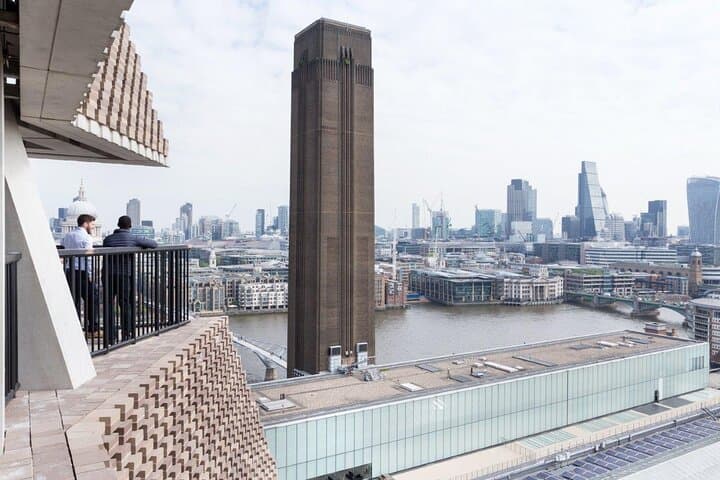
Practicalities are straightforward. The exhibition runs 30–60 minutes for a focused visit; allow longer if you want to linger in the Turbine Hall or the Blavatnik viewing level afterward. Book tickets in advance to avoid queues, check the Tate’s photography policy, and leave large bags at coat checks. Public transport drops you within a short walk; the riverfront promenade and Globe are immediate extras if you have time.
For visitors, wear comfortable shoes for standing and moving between rooms, bring a small notebook if you take notes, and plan a post-visit coffee on the south bank. The show reframes familiar works by asking you to read Picasso as performer — you’ll leave thinking about identity as much as paint.
easy.
30–60 minutes.
Suitable for all fitness levels; involves standing and short walks between galleries
Plan 30–60 minutes for the exhibition itself; add 30–60 minutes for other Tate Modern spaces or a riverside stroll.
Tickets are recommended and often required for special exhibitions; check the product page for mobile ticketing and availability.
Yes — Tate Modern provides step-free access, lifts and accessible toilets; contact visitor services for specific assistance.
Photography policies vary; non-flash photos may be allowed in some galleries but check signage or ask staff to avoid breaching rules.
Tate Modern occupies the converted Bankside Power Station (opened as a museum in 2000); the exhibition frames Picasso through the lens of performativity and persona.
The Tate runs conservation programs for paper and textile works; follow gallery guidance to minimize light and handling impacts on sensitive pieces.
Tate operates guided outdoor trips and adventures with an emphasis on safety, stewardship, and memorable experiences.
Standing on the Bankside, the Tate Modern’s brick maw opens onto the Thames; inside, light moves across canvases arranged like stage props. The Theatre Picasso exhibition stages more than paintings — it stages Persona. Walk through galleries where Wu Tsang and Enrique Fuenteblanca have arranged over 45 works, and the rooms feel deliberate, as if Picasso’s characters might step off the canvas.
Standing on the Bankside, the Tate Modern’s brick maw opens onto the Thames; inside, light moves across canvases arranged like stage props. The Theatre Picasso exhibition stages more than paintings — it stages Persona. Walk through galleries where Wu Tsang and Enrique Fuenteblanca have arranged over 45 works, and the rooms feel deliberate, as if Picasso’s characters might step off the canvas.
The show revisits Picasso’s fascination with performance: dancers, bullfighters and entertainers shaped the artist’s public identity as much as his brushwork. The venue itself is historic — a former Bankside Power Station converted into a museum in 2000 — adding an industrial frame to art that explores showmanship and otherness. Expect a mix of painting, sculpture, textiles and works on paper, some on UK loan and some rarely seen in Britain.
Practicalities are straightforward. The exhibition runs 30–60 minutes for a focused visit; allow longer if you want to linger in the Turbine Hall or the Blavatnik viewing level afterward. Book tickets in advance to avoid queues, check the Tate’s photography policy, and leave large bags at coat checks. Public transport drops you within a short walk; the riverfront promenade and Globe are immediate extras if you have time.
For visitors, wear comfortable shoes for standing and moving between rooms, bring a small notebook if you take notes, and plan a post-visit coffee on the south bank. The show reframes familiar works by asking you to read Picasso as performer — you’ll leave thinking about identity as much as paint.