THE ADVENTURE COLLECTIVE® · Independent discovery and booking for outdoor travel

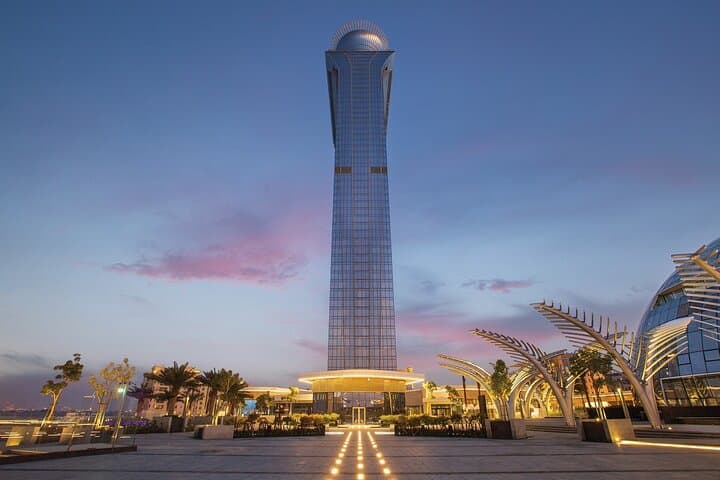
Perched on Level 52 of The Palm Tower, The View at The Palm delivers a full-circle panorama of Palm Jumeirah, the Arabian Gulf, and Dubai’s skyline. This guide explains what you’ll see, why timing matters, and how to plan a smooth visit—especially for sunset.
Perched on Level 52 of The Palm Tower, The View at The Palm delivers a full-circle panorama of Palm Jumeirah, the Arabian Gulf, and Dubai’s skyline. This guide explains what you’ll see, why timing matters, and how to plan a smooth visit—especially for sunset.
You step out onto the outdoor terrace of Level 52 and the city opens in every direction: the crescent of the Palm Jumeirah curving like a deliberate hand, the Arabian Gulf stretching flat and daring you to measure its horizon, and the Burj Al Arab and Ain Dubai punctuating the skyline.
Verified experiences and guided adventures in the surrounding area.
Operated by Holidaysworld Tourism · Dubai, Dubai
You step out onto the outdoor terrace of Level 52 and the city opens in every direction: the crescent of the Palm Jumeirah curving like a deliberate hand, the Arabian Gulf stretching flat and daring you to measure its horizon, and the Burj Al Arab and Ain Dubai punctuating the skyline.
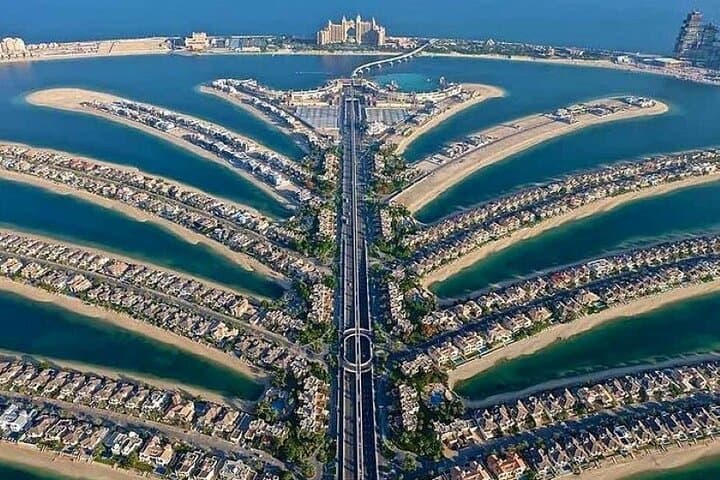
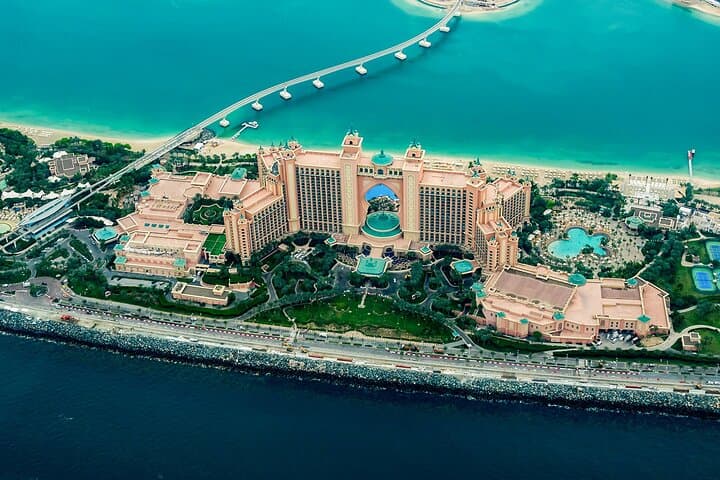
The View at The Palm sits atop The Palm Tower, offering a 360-degree panorama that showcases Dubai’s manufactured coastline and rapid urban growth. The Palm itself is a modern land-reclamation project completed by Nakheel in the mid-2000s, an engineered archipelago carved from sand and rock with clear geometry—trunk, fronds, crescent—that reads easily from above.
Geology here is coastal engineering: dredged sand, breakwaters, and longshore currents managed by design. Culturally, the view captures Dubai’s blend of desert tradition and showpiece modernity—luxury hotels, marinas, and public promenades designed for display and leisure.
Practical guidance: plan 60–90 minutes for a relaxed visit, longer for sunset. Sunset hours are busiest for obvious reasons—arrive 45 minutes early if you want a good outdoor spot. The site is wheelchair-accessible with indoor viewing and glass panels protecting the terrace. Weather is a factor: summer afternoons can be very hot and hazy; evenings bring cooling breezes off the gulf and clearer light.
Bring a camera with zoom, sunglasses for glare off the water, and a lightweight layer for the wind on the terrace. Tickets are typically time-stamped; check your window and allow time for security screening. From here Dubai reads like a map—human ambition measured in concrete, glass, and the steady line of the sea.
easy.
1–1.5 hours.
Suitable for all fitness levels; requires only short walks and some standing.
Plan 60–90 minutes to enjoy both indoor and outdoor viewing areas; longer if you plan to dine or photograph sunset.
Yes — The View at The Palm has elevator access and wheelchair-accessible surfaces and facilities.
Yes — sunset slots are popular; book a timed ticket and arrive early to secure outdoor space and avoid lines.
There are cafés and lounges in The Palm Tower; check opening hours ahead of your visit as availability can vary.
Palm Jumeirah is a large-scale land-reclamation project built by Nakheel beginning in the late 1990s and completed in phases through the 2000s, designed to expand Dubai’s coastline and tourism footprint.
Coastal development altered local marine habitats; ongoing monitoring and regulations aim to limit pollution and protect shoreline stability—avoid feeding wildlife and stick to designated walkways.
Holidaysworld Tourism operates guided outdoor trips and adventures with an emphasis on safety, stewardship, and memorable experiences.
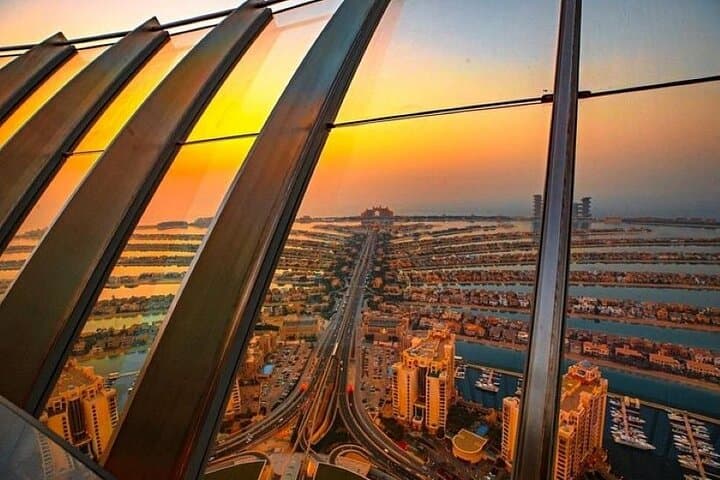
You step out onto the outdoor terrace of Level 52 and the city opens in every direction: the crescent of the Palm Jumeirah curving like a deliberate hand, the Arabian Gulf stretching flat and daring you to measure its horizon, and the Burj Al Arab and Ain Dubai punctuating the skyline.
You step out onto the outdoor terrace of Level 52 and the city opens in every direction: the crescent of the Palm Jumeirah curving like a deliberate hand, the Arabian Gulf stretching flat and daring you to measure its horizon, and the Burj Al Arab and Ain Dubai punctuating the skyline.
The View at The Palm sits atop The Palm Tower, offering a 360-degree panorama that showcases Dubai’s manufactured coastline and rapid urban growth. The Palm itself is a modern land-reclamation project completed by Nakheel in the mid-2000s, an engineered archipelago carved from sand and rock with clear geometry—trunk, fronds, crescent—that reads easily from above.
Geology here is coastal engineering: dredged sand, breakwaters, and longshore currents managed by design. Culturally, the view captures Dubai’s blend of desert tradition and showpiece modernity—luxury hotels, marinas, and public promenades designed for display and leisure.
Practical guidance: plan 60–90 minutes for a relaxed visit, longer for sunset. Sunset hours are busiest for obvious reasons—arrive 45 minutes early if you want a good outdoor spot. The site is wheelchair-accessible with indoor viewing and glass panels protecting the terrace. Weather is a factor: summer afternoons can be very hot and hazy; evenings bring cooling breezes off the gulf and clearer light.
Bring a camera with zoom, sunglasses for glare off the water, and a lightweight layer for the wind on the terrace. Tickets are typically time-stamped; check your window and allow time for security screening. From here Dubai reads like a map—human ambition measured in concrete, glass, and the steady line of the sea.