THE ADVENTURE COLLECTIVE® · Independent discovery and booking for outdoor travel

Ascend 240 meters above Palm Jumeirah for a full 360-degree panorama of Dubai’s skyline, Atlantis the Palm, and the Arabian Gulf. This short, accessible visit blends an interactive origin exhibit with high-altitude views—ideal for photography and quick city perspectives.
Ascend 240 meters above Palm Jumeirah for a full 360-degree panorama of Dubai’s skyline, Atlantis the Palm, and the Arabian Gulf. This short, accessible visit blends an interactive origin exhibit with high-altitude views—ideal for photography and quick city perspectives.
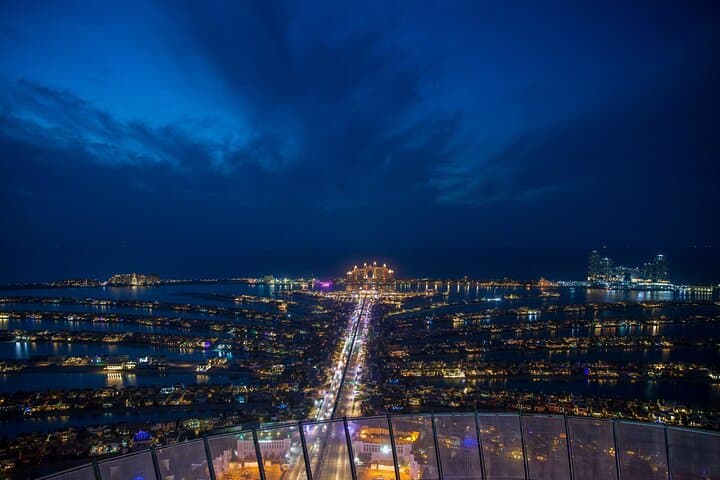
You step out of Nakheel Mall and the tower waits—glass and concrete rising above the trunk of Palm Jumeirah. An elevator ride of roughly three minutes carries you 240 meters up, and the city opens: the crescented shoreline, the spines of high-rises, and the Arabian Gulf pressing blue to the horizon.
Verified experiences and guided adventures in the surrounding area.
Operated by Rayna Tourism · Dubai, Dubai
You step out of Nakheel Mall and the tower waits—glass and concrete rising above the trunk of Palm Jumeirah. An elevator ride of roughly three minutes carries you 240 meters up, and the city opens: the crescented shoreline, the spines of high-rises, and the Arabian Gulf pressing blue to the horizon.
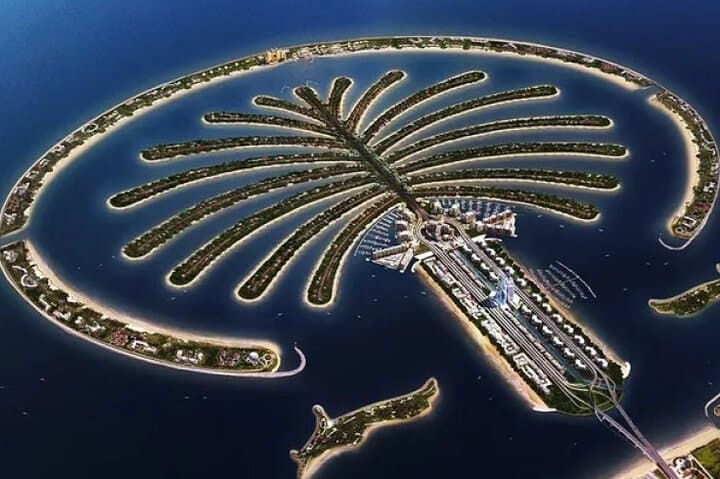
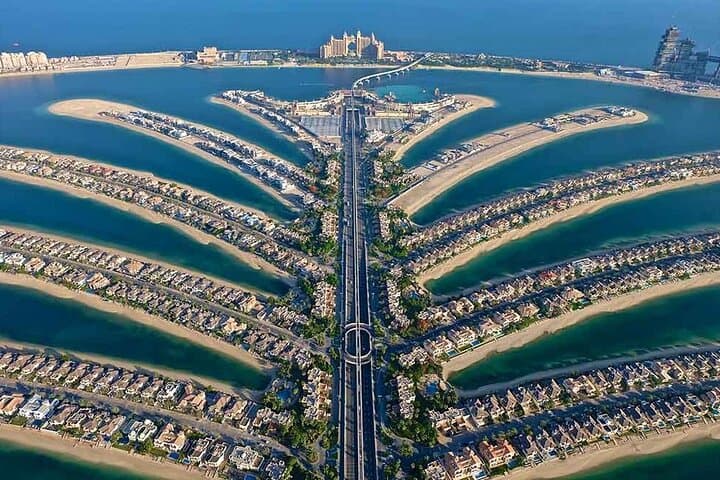
The View sits on the 52nd floor of The Palm Tower, but the story starts on the ground. Palm Jumeirah is a purpose-built island from the 2000s, created by large-scale land reclamation that reshaped Dubai’s coastline. Geology here is engineered—sand, rock and breakwaters shaped into the iconic palm fronds—while culture mixes Emirati history with global tourism: luxury hotels, local eateries in nearby Dubai Marina, and the monorail that traces the trunk.
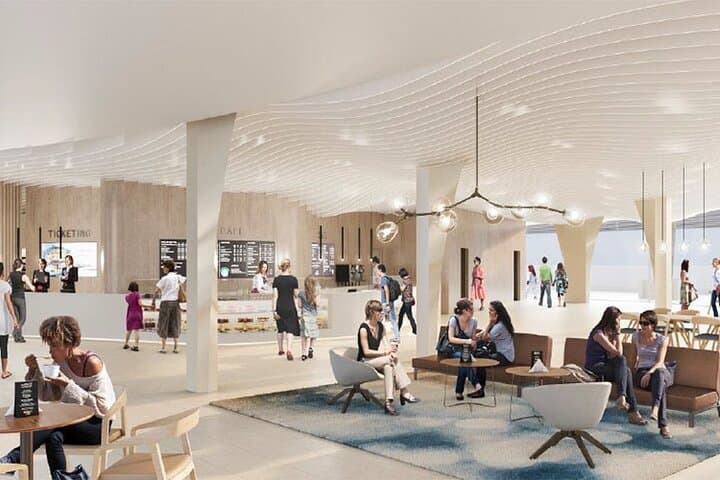
Before the deck, an interactive museum explains the island’s construction—useful context for what you’ll be seeing from above. From the platform, the view is 360 degrees: Atlantis the Palm punctuates the crescent, the city’s skyline stacks glass and steel inland, and shipping lanes thread the gulf.
Practically, plan 30–45 minutes for the visit. Sunset and early evening bring the best contrast but also the longest lines—prime-hour tickets mitigate wait times. The deck is stroller-accessible and reachable via taxi, monorail, or a short walk through Nakheel Mall. Wear comfortable shoes for walking in and out; bring a light layer for breezy evenings. Binoculars or a camera with a telephoto lens will reward you—especially for spotting boats and distant architecture. Note health advisories for guests with cardiovascular issues and that tickets are final-sale, so pick your time carefully.
easy.
30–45 minutes.
Minimal fitness required; short walks and elevator access make it suitable for most travelers
Plan for 30–45 minutes total: a few minutes for the interactive exhibit and around 15–30 minutes on the observation deck depending on crowds.
Yes—access via Nakheel Mall and the elevator to the deck is stroller- and wheelchair-friendly, though some areas may have limited maneuvering space.
Prime hours typically cover sunset and early evening; they reduce wait times and provide better light for photos, though they are more expensive.
Infants can sit on laps; however, the attraction advises caution for guests with serious cardiovascular issues and recommends consulting a physician if concerned.
Palm Jumeirah was constructed in the early 2000s through engineered land reclamation by Nakheel, transforming Dubai’s coastline with artificial fronds and a protective crescent.
Land reclamation altered marine habitats and raised concerns about coastal erosion; visitors can reduce impact by avoiding feeding wildlife, using designated paths, and supporting local conservation messaging.
Rayna Tourism operates guided outdoor trips and adventures with an emphasis on safety, stewardship, and memorable experiences.
You step out of Nakheel Mall and the tower waits—glass and concrete rising above the trunk of Palm Jumeirah. An elevator ride of roughly three minutes carries you 240 meters up, and the city opens: the crescented shoreline, the spines of high-rises, and the Arabian Gulf pressing blue to the horizon.
You step out of Nakheel Mall and the tower waits—glass and concrete rising above the trunk of Palm Jumeirah. An elevator ride of roughly three minutes carries you 240 meters up, and the city opens: the crescented shoreline, the spines of high-rises, and the Arabian Gulf pressing blue to the horizon.
The View sits on the 52nd floor of The Palm Tower, but the story starts on the ground. Palm Jumeirah is a purpose-built island from the 2000s, created by large-scale land reclamation that reshaped Dubai’s coastline. Geology here is engineered—sand, rock and breakwaters shaped into the iconic palm fronds—while culture mixes Emirati history with global tourism: luxury hotels, local eateries in nearby Dubai Marina, and the monorail that traces the trunk.
Before the deck, an interactive museum explains the island’s construction—useful context for what you’ll be seeing from above. From the platform, the view is 360 degrees: Atlantis the Palm punctuates the crescent, the city’s skyline stacks glass and steel inland, and shipping lanes thread the gulf.
Practically, plan 30–45 minutes for the visit. Sunset and early evening bring the best contrast but also the longest lines—prime-hour tickets mitigate wait times. The deck is stroller-accessible and reachable via taxi, monorail, or a short walk through Nakheel Mall. Wear comfortable shoes for walking in and out; bring a light layer for breezy evenings. Binoculars or a camera with a telephoto lens will reward you—especially for spotting boats and distant architecture. Note health advisories for guests with cardiovascular issues and that tickets are final-sale, so pick your time carefully.