THE ADVENTURE COLLECTIVE® · Independent discovery and booking for outdoor travel

A private, hour-long escape room in Las Vegas that places you inside a tense, well-designed shed set. Expect tactile puzzles, teamwork, and a steady countdown that rewards clear roles and rapid problem-solving.
A private, hour-long escape room in Las Vegas that places you inside a tense, well-designed shed set. Expect tactile puzzles, teamwork, and a steady countdown that rewards clear roles and rapid problem-solving.
You step through a nondescript door and the city noise peels away; inside, a small shed becomes a pressure cooker of clues and locked compartments. The set feels lived-in — tools on a pegboard, a humming lamp, a single narrative thread that pulls your team forward — and the clock in the corner is a steady reminder that every second counts.
Verified experiences and guided adventures in the surrounding area.
Operated by Number One Escape Room · Las Vegas, Nevada
You step through a nondescript door and the city noise peels away; inside, a small shed becomes a pressure cooker of clues and locked compartments. The set feels lived-in — tools on a pegboard, a humming lamp, a single narrative thread that pulls your team forward — and the clock in the corner is a steady reminder that every second counts.
Escape rooms are a modern form of live-action puzzle entertainment that borrow theatrical design, game theory, and collaborative problem-solving. In Las Vegas, a city known for staged spectacle and immersive shows, rooms like The Shed lean into production values: professional set designers build tactile props and puzzles meant to be handled, not just viewed. While there’s no geology to mention inside the room, the broader setting of downtown/Las Vegas plays into the experience — an entertainment economy that rewards bold, sensory design and rapid thrills.
Expect a private, hour-long challenge for small groups; puzzles emphasize observation, pattern recognition, and shy technical tricks rather than strenuous physical activity. Cultural context matters here: escape rooms grew out of team-building and arcade culture and now exist alongside Vegas’ theatrical offerings as a compact, participatory alternative.
Practical guidance: arrive 15 minutes early to complete waivers and use restrooms; wear comfortable shoes and avoid large bags. Communicate early and assign roles — a designated clue-checker and a timekeeper can keep momentum. If you get stuck, games typically offer hints; use them strategically to keep the pace. After the game, debrief as a team and grab a coffee nearby — the energy of just-escaped players often outlasts the hour.
moderate.
60 minutes.
Low-to-moderate: good for most people who can stand and move short distances; not physically demanding.
The game is a private, one-hour escape room; arrive 15 minutes early for check-in and waivers.
No — puzzles focus on observation and logic; players should be able to stand, bend, and move short distances.
Facilities note stroller access and allow families, but the content and required concentration may suit older children better; check age recommendations with the operator.
Game staff provide hints on request; use them to keep momentum and ensure an enjoyable experience for the whole group.
Escape rooms emerged from live-action gaming and theatrical set design; Las Vegas adopted them quickly as compact, interactive entertainment complementary to the city’s shows.
Indoor activities have a small environmental footprint but consider supporting local businesses and using public transit to reduce emissions.
Number One Escape Room operates guided outdoor trips and adventures with an emphasis on safety, stewardship, and memorable experiences.

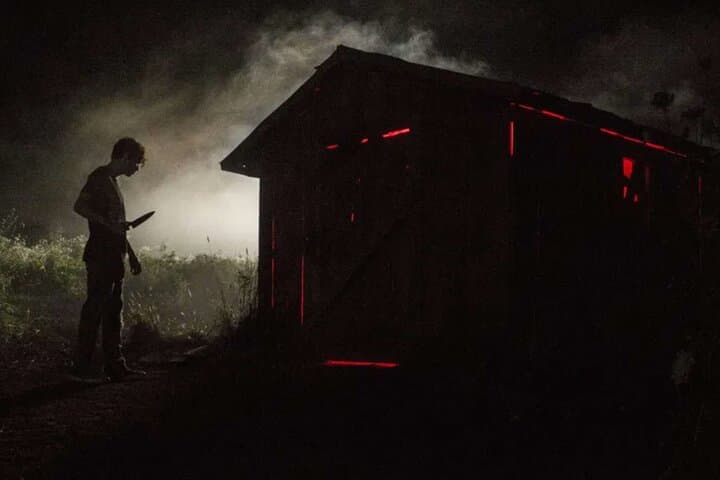
You step through a nondescript door and the city noise peels away; inside, a small shed becomes a pressure cooker of clues and locked compartments. The set feels lived-in — tools on a pegboard, a humming lamp, a single narrative thread that pulls your team forward — and the clock in the corner is a steady reminder that every second counts.
You step through a nondescript door and the city noise peels away; inside, a small shed becomes a pressure cooker of clues and locked compartments. The set feels lived-in — tools on a pegboard, a humming lamp, a single narrative thread that pulls your team forward — and the clock in the corner is a steady reminder that every second counts.
Escape rooms are a modern form of live-action puzzle entertainment that borrow theatrical design, game theory, and collaborative problem-solving. In Las Vegas, a city known for staged spectacle and immersive shows, rooms like The Shed lean into production values: professional set designers build tactile props and puzzles meant to be handled, not just viewed. While there’s no geology to mention inside the room, the broader setting of downtown/Las Vegas plays into the experience — an entertainment economy that rewards bold, sensory design and rapid thrills.
Expect a private, hour-long challenge for small groups; puzzles emphasize observation, pattern recognition, and shy technical tricks rather than strenuous physical activity. Cultural context matters here: escape rooms grew out of team-building and arcade culture and now exist alongside Vegas’ theatrical offerings as a compact, participatory alternative.
Practical guidance: arrive 15 minutes early to complete waivers and use restrooms; wear comfortable shoes and avoid large bags. Communicate early and assign roles — a designated clue-checker and a timekeeper can keep momentum. If you get stuck, games typically offer hints; use them strategically to keep the pace. After the game, debrief as a team and grab a coffee nearby — the energy of just-escaped players often outlasts the hour.