THE ADVENTURE COLLECTIVE® · Independent discovery and booking for outdoor travel

Immerse yourself in the sights and skills behind Indian weddings: from textile stalls and costume jewelry to dance workshops and street-side snacks. This guided, private tour in New Delhi pairs market navigation with hands-on lessons to make you wedding-ready.
Immerse yourself in the sights and skills behind Indian weddings: from textile stalls and costume jewelry to dance workshops and street-side snacks. This guided, private tour in New Delhi pairs market navigation with hands-on lessons to make you wedding-ready.
You step off the van into a market that talks: bolts of silk ripple like gossip, beads clink like laughter, and a brass mirror holds the promise of a complete outfit. The guide threads you through narrow lanes where storefronts spill jewelry and shoes onto the pavement, and between them, a 14th-century tomb—Tohfewala Gumbad—looms, a quiet witness to a city's long habit of celebration.
Verified experiences and guided adventures in the surrounding area.
Operated by No Footprints · New Delhi, Delhi
You step off the van into a market that talks: bolts of silk ripple like gossip, beads clink like laughter, and a brass mirror holds the promise of a complete outfit. The guide threads you through narrow lanes where storefronts spill jewelry and shoes onto the pavement, and between them, a 14th-century tomb—Tohfewala Gumbad—looms, a quiet witness to a city's long habit of celebration.
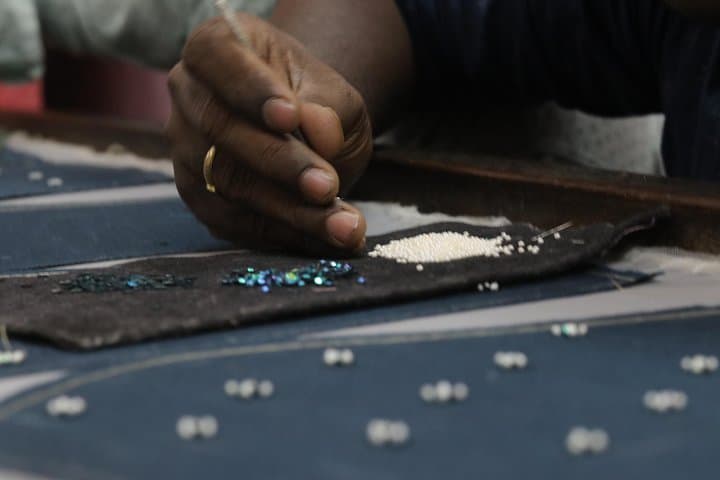
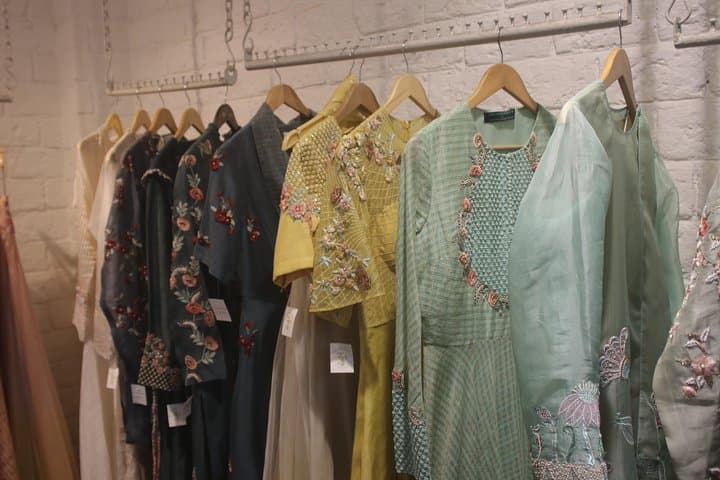
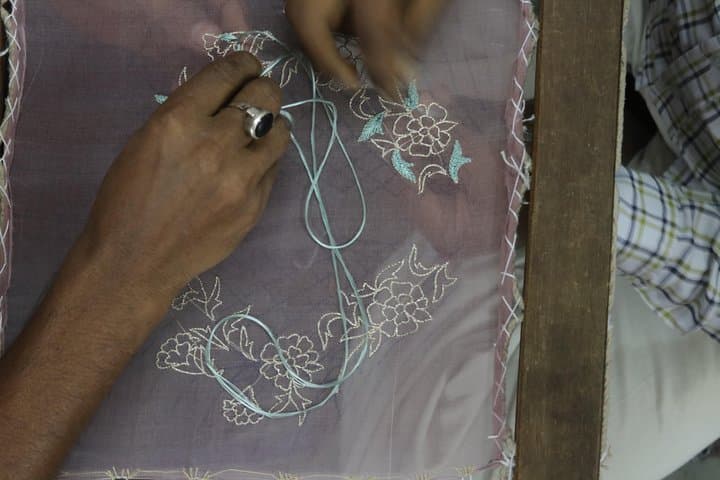
This tour is Indian weddings 101. It links craft, commerce and ritual: textiles woven on loom histories, makeup and jewelry that follow regional templates, and choreography that transforms guests into performers. New Delhi's markets grew from medieval trade routes; the tombs and mosques nearby are reminders that contemporary weddings sit on centuries of urban layers. Expect a mix of sensory anthropology and practical shopping—workshops teach basic stitching or dance moves, while guides explain why certain colors, metals and rituals matter across communities.
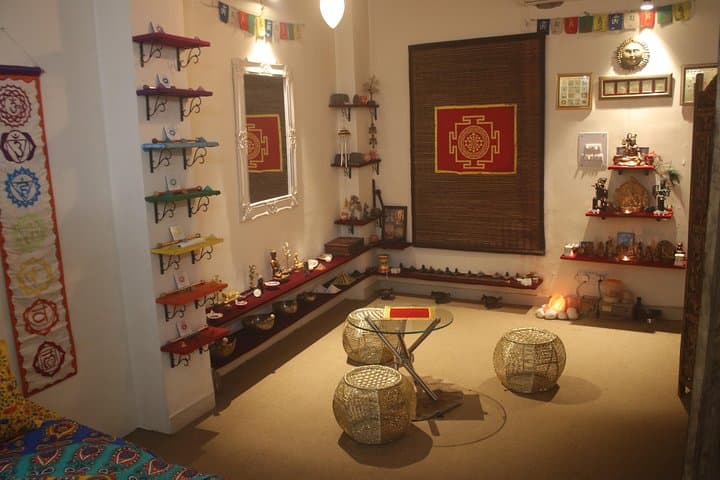
Practically, the day is a walking and workshop loop with private transport between stops, snacks or lunch, and hands-on time in studio spaces. Wear sturdy shoes for uneven alleys, carry small local currency for quick purchases, and leave room in your luggage for small textile finds. Plan the tour on a cooler part of the day in summer; mornings or late afternoons reveal the market at its most active and least crowded. For photographers, candid street scenes and close-ups of handwork make strong images—ask permission before shooting vendors or artisans.
moderate.
4–5 hours.
Moderate—comfortable walking for several hours, ability to stand during workshops.
Yes—private transportation is included; confirm your preferred pickup point when booking.
Guides typically speak English and local languages; specify any language needs when booking.
Yes—the tour visits markets and shops where purchases are allowed; carry cash and factor bargaining time into your schedule.
Yes—workshops are introductory and designed for first-timers with hands-on guidance and materials included.
Markets visited grew from long-distance trade routes; the nearby tombs reflect Delhi’s layered medieval and colonial-era urban fabric that surrounds modern commerce.
Support local artisans by buying small, well-made pieces; avoid single-use plastics and ask vendors about sustainable sourcing of textiles and metals.
No Footprints operates guided outdoor trips and adventures with an emphasis on safety, stewardship, and memorable experiences.
You step off the van into a market that talks: bolts of silk ripple like gossip, beads clink like laughter, and a brass mirror holds the promise of a complete outfit. The guide threads you through narrow lanes where storefronts spill jewelry and shoes onto the pavement, and between them, a 14th-century tomb—Tohfewala Gumbad—looms, a quiet witness to a city's long habit of celebration.
You step off the van into a market that talks: bolts of silk ripple like gossip, beads clink like laughter, and a brass mirror holds the promise of a complete outfit. The guide threads you through narrow lanes where storefronts spill jewelry and shoes onto the pavement, and between them, a 14th-century tomb—Tohfewala Gumbad—looms, a quiet witness to a city's long habit of celebration.
This tour is Indian weddings 101. It links craft, commerce and ritual: textiles woven on loom histories, makeup and jewelry that follow regional templates, and choreography that transforms guests into performers. New Delhi's markets grew from medieval trade routes; the tombs and mosques nearby are reminders that contemporary weddings sit on centuries of urban layers. Expect a mix of sensory anthropology and practical shopping—workshops teach basic stitching or dance moves, while guides explain why certain colors, metals and rituals matter across communities.
Practically, the day is a walking and workshop loop with private transport between stops, snacks or lunch, and hands-on time in studio spaces. Wear sturdy shoes for uneven alleys, carry small local currency for quick purchases, and leave room in your luggage for small textile finds. Plan the tour on a cooler part of the day in summer; mornings or late afternoons reveal the market at its most active and least crowded. For photographers, candid street scenes and close-ups of handwork make strong images—ask permission before shooting vendors or artisans.