THE ADVENTURE COLLECTIVE® · Independent discovery and booking for outdoor travel

Turn Maastricht’s historic core into a tactical playground with The Hunt: a two-hour cat-and-mouse game where teams race to unlock safes and outmaneuver opponents. Expect cobbles, quick sprints, and a crash course in local history and street smarts.
Turn Maastricht’s historic core into a tactical playground with The Hunt: a two-hour cat-and-mouse game where teams race to unlock safes and outmaneuver opponents. Expect cobbles, quick sprints, and a crash course in local history and street smarts.
The square hums as teams split—one side slipping into alleys, the other fanning out with radios and a smartphone map. Cobblestones give and click underfoot; the city’s facades lean in, challenging players to read the angles and find the hidden safes before time runs out.
Verified experiences and guided adventures in the surrounding area.
Operated by Qula · Maastricht, Limburg
The square hums as teams split—one side slipping into alleys, the other fanning out with radios and a smartphone map. Cobblestones give and click underfoot; the city’s facades lean in, challenging players to read the angles and find the hidden safes before time runs out.
Maastricht wears history openly: Roman foundations, medieval walls and 17th-century mansions frame the course. Geology fans may notice the pale limestone that shaped local architecture—the Maastrichtian chalk lends a pale glow to façades and even gives its name to a stage in the geologic timescale. Culturally, the city sits at a crossroads of Dutch, French and German influences, and language switches as readily as directions on a map.
This urban game turns the center into a tactical playground. Expect 2 kilometres or more of walking on uneven, often cobbled streets with short bursts of running; elevation change is minimal but stairs and narrow passages demand agility and situational awareness. The game tests navigation, stealth and team communication as criminals hunt safes and police track movement via live updates.
Practical guidance: bring a fully charged smartphone with data, wear grippy shoes for slick stones, and pick a starting point near Vrijthof or Markt for easy public transit access. Morning and late afternoon sessions avoid peak tourist crowds; watch for tram tracks and cyclists. Teams should set a rendezvous point and carry a small power bank and water bottle. Local etiquette matters—this is a public city, so respect residents and businesses while playing. With a mix of strategy and sprinting, The Hunt makes Maastricht’s streets into an active, thoughtful chase.
moderate.
2 hours.
Moderate: be able to walk 2–4 km, handle brief sprints, and navigate stairs and uneven surfaces.
No—The Hunt is designed for first-time players; maps and live updates guide teams, though local familiarity can be an advantage.
The experience is offered in English, Dutch, German and French to accommodate multilingual groups.
The route uses historic, often uneven surfaces and stairs; it requires moderate mobility and is not recommended for those with serious spinal or cardiovascular conditions.
You can receive a full refund if you cancel at least 24 hours before the scheduled start time, per the standard policy.
Maastricht’s layered past stretches from Roman settlements to a medieval trading hub; the city’s limestone architecture reflects centuries of quarrying and reuse.
Play responsibly in public spaces—avoid littering, respect private property, and steer clear of protected monuments to preserve the city’s historic fabric.
Qula operates guided outdoor trips and adventures with an emphasis on safety, stewardship, and memorable experiences.


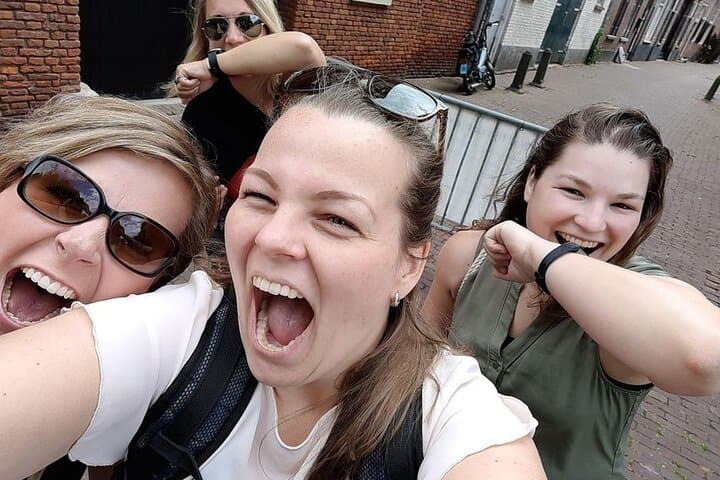
The square hums as teams split—one side slipping into alleys, the other fanning out with radios and a smartphone map. Cobblestones give and click underfoot; the city’s facades lean in, challenging players to read the angles and find the hidden safes before time runs out.
The square hums as teams split—one side slipping into alleys, the other fanning out with radios and a smartphone map. Cobblestones give and click underfoot; the city’s facades lean in, challenging players to read the angles and find the hidden safes before time runs out.
Maastricht wears history openly: Roman foundations, medieval walls and 17th-century mansions frame the course. Geology fans may notice the pale limestone that shaped local architecture—the Maastrichtian chalk lends a pale glow to façades and even gives its name to a stage in the geologic timescale. Culturally, the city sits at a crossroads of Dutch, French and German influences, and language switches as readily as directions on a map.
This urban game turns the center into a tactical playground. Expect 2 kilometres or more of walking on uneven, often cobbled streets with short bursts of running; elevation change is minimal but stairs and narrow passages demand agility and situational awareness. The game tests navigation, stealth and team communication as criminals hunt safes and police track movement via live updates.
Practical guidance: bring a fully charged smartphone with data, wear grippy shoes for slick stones, and pick a starting point near Vrijthof or Markt for easy public transit access. Morning and late afternoon sessions avoid peak tourist crowds; watch for tram tracks and cyclists. Teams should set a rendezvous point and carry a small power bank and water bottle. Local etiquette matters—this is a public city, so respect residents and businesses while playing. With a mix of strategy and sprinting, The Hunt makes Maastricht’s streets into an active, thoughtful chase.