THE ADVENTURE COLLECTIVE® · Independent discovery and booking for outdoor travel

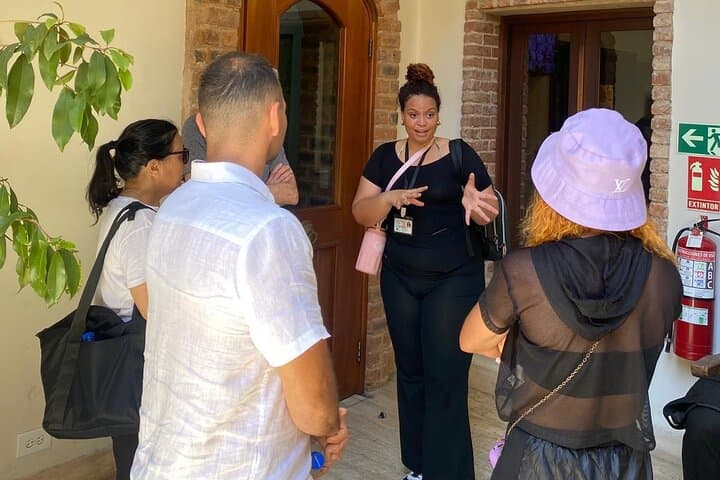
Walk Casco Viejo with a guide who blends anecdote and history, visiting churches, plazas, and the Mola Museum in a 2–3 hour small-group experience. This tour emphasizes local context and hands-on storytelling for a grounded view of Panama’s historic core.
Walk Casco Viejo with a guide who blends anecdote and history, visiting churches, plazas, and the Mola Museum in a 2–3 hour small-group experience. This tour emphasizes local context and hands-on storytelling for a grounded view of Panama’s historic core.
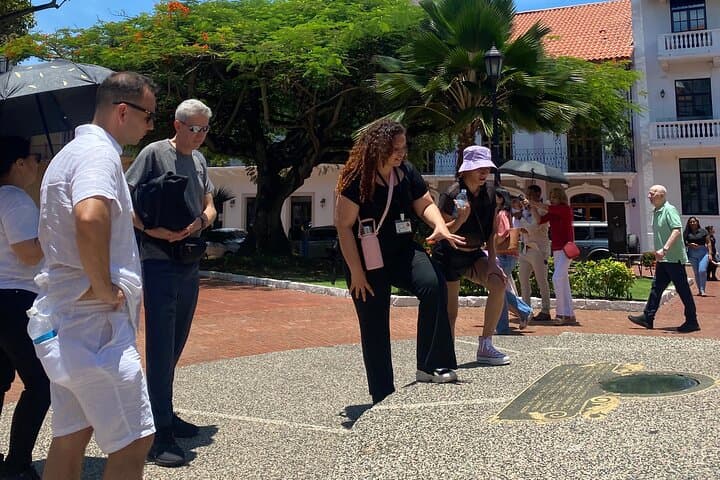
The morning opens on a narrow stone street; salt air from the bay pushes up through the alleys and the city wakes around church bells. Travelers step off a busy avenue and into Casco Viejo, where painted facades and wrought-iron balconies lean toward the plaza like old friends trading stories.
Verified experiences and guided adventures in the surrounding area.
Operated by the casco experience · Panama City, Panama Province
The morning opens on a narrow stone street; salt air from the bay pushes up through the alleys and the city wakes around church bells. Travelers step off a busy avenue and into Casco Viejo, where painted facades and wrought-iron balconies lean toward the plaza like old friends trading stories.
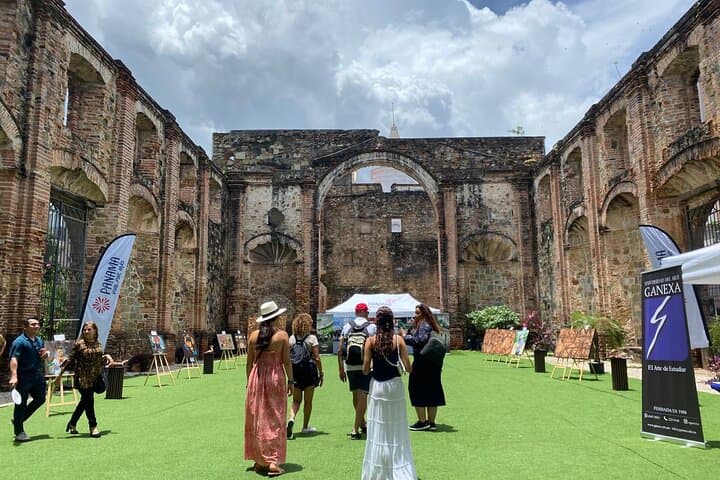
This guided walk threads together centuries: a seventeenth-century church moved stone-by-stone after Henry Morgan’s raid, republican-era plazas that once hosted bullrings, and a modern museum that preserves Guna molas. The neighborhood sits on landfill added during the 18th–19th centuries, and its layered architecture—Baroque altars, colonial stonework, and republican façades—shows how Panama’s port city adapted through empire, trade, and the Canal era.
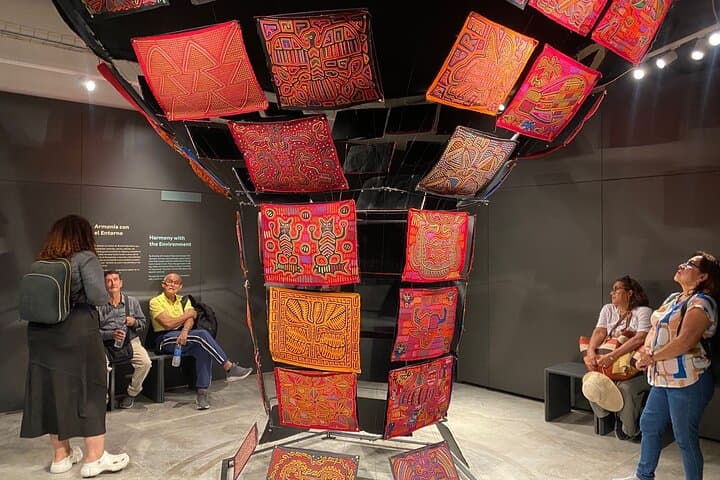
Culture arrives in texture: the Mola Museum’s hand-sewn panels speak of indigenous resistance; Plaza Francia honors canal laborers; rooftop bars and restored courtyards point to a city reinvesting in its past. The bay often intrudes visually, the water daring visitors to look beyond the plazas toward the Amador Causeway and Bridge of the Americas.
Practical guidance: expect 2–2.5 hours of mostly flat walking on cobblestones with a few short staircases; wear sturdy shoes, bring sun protection and a light rain layer during the wet season. Small-group pacing means time to ask questions, step into museums included in the tour price, and pause for photos. Arrive 10 minutes early at the meeting point near Tantalo to collect tickets and start with clear directions. Keep water handy and a camera ready—Casco Viejo rewards attention.
easy.
2–3 hours.
Light walking; suitable for most adults but be comfortable on uneven cobbles and brief stair sections.
The tour lasts about 2–2.5 hours and involves mostly flat walking on cobblestone streets with a few short staircases.
Yes; the itinerary lists admission included for the Mola Museum and the Museum of the History of Panama on this tour.
The tour is stroller-accessible in many areas, but cobblestones and steps may make some sections awkward; infants in carriers will be easier.
Guides typically speak Spanish and English in Panama City; tipping is appreciated and commonly practiced—around 10–15% of the tour price or a small cash tip per guest is customary.
Casco Viejo was built in the late 17th century after Old Panama was abandoned following pirate attacks and was designated a UNESCO World Heritage Site in 1997.
Restoration projects have focused on seismic retrofitting and facade repair; visitors can support conservation by staying in local businesses, following museum rules, and avoiding damage to historic fabric.
the casco experience operates guided outdoor trips and adventures with an emphasis on safety, stewardship, and memorable experiences.
The morning opens on a narrow stone street; salt air from the bay pushes up through the alleys and the city wakes around church bells. Travelers step off a busy avenue and into Casco Viejo, where painted facades and wrought-iron balconies lean toward the plaza like old friends trading stories.
The morning opens on a narrow stone street; salt air from the bay pushes up through the alleys and the city wakes around church bells. Travelers step off a busy avenue and into Casco Viejo, where painted facades and wrought-iron balconies lean toward the plaza like old friends trading stories.
This guided walk threads together centuries: a seventeenth-century church moved stone-by-stone after Henry Morgan’s raid, republican-era plazas that once hosted bullrings, and a modern museum that preserves Guna molas. The neighborhood sits on landfill added during the 18th–19th centuries, and its layered architecture—Baroque altars, colonial stonework, and republican façades—shows how Panama’s port city adapted through empire, trade, and the Canal era.
Culture arrives in texture: the Mola Museum’s hand-sewn panels speak of indigenous resistance; Plaza Francia honors canal laborers; rooftop bars and restored courtyards point to a city reinvesting in its past. The bay often intrudes visually, the water daring visitors to look beyond the plazas toward the Amador Causeway and Bridge of the Americas.
Practical guidance: expect 2–2.5 hours of mostly flat walking on cobblestones with a few short staircases; wear sturdy shoes, bring sun protection and a light rain layer during the wet season. Small-group pacing means time to ask questions, step into museums included in the tour price, and pause for photos. Arrive 10 minutes early at the meeting point near Tantalo to collect tickets and start with clear directions. Keep water handy and a camera ready—Casco Viejo rewards attention.