THE ADVENTURE COLLECTIVE® · Independent discovery and booking for outdoor travel

Ride a camel into the evening dunes outside Bikaner, learn about Thar flora and fauna, then settle for a themed Rajasthani dinner with live folk music. This four-hour private excursion pairs easy desert travel with cultural immersion.
Ride a camel into the evening dunes outside Bikaner, learn about Thar flora and fauna, then settle for a themed Rajasthani dinner with live folk music. This four-hour private excursion pairs easy desert travel with cultural immersion.
Late afternoon light throws long shadows across the silent ridges of the Thar, and a caravan of camels treads a careful line where sand and sky meet. Travelers meet their guide at a small roadside hamlet near Raiser, mount the slow, steady camels and move into terrain that has shaped livelihoods for centuries: wind-swept dunes, hard-packed inter-dunal plains and scrub dotted with acacia.
Verified experiences and guided adventures in the surrounding area.
Operated by SITA World Tours · Bikaner, Rajasthan
Late afternoon light throws long shadows across the silent ridges of the Thar, and a caravan of camels treads a careful line where sand and sky meet. Travelers meet their guide at a small roadside hamlet near Raiser, mount the slow, steady camels and move into terrain that has shaped livelihoods for centuries: wind-swept dunes, hard-packed inter-dunal plains and scrub dotted with acacia.
The Thar’s geology is young desert—sand sheets, dunes and gravel plains formed by monsoon-turned-winds and centuries of intermittent rainfall. Bikaner’s history as a trade and camel-breeding center explains why camel caravans remain a living link to the past. Local villages preserve Rajasthani music and cuisine passed down through generations; the evening ends with a themed Rajasthani meal and live folk musicians playing dholak and kamaicha.
Expect to learn about desert-adapted flora and fauna—small lizards, grazing blackbuck and the elusive Great Indian bustard in more remote pockets—and about camel husbandry that still supports rural families. Guides point out how people read the landscape for water and livelihood.
Practical notes: the excursion lasts about four hours and operates October through March; bring sun protection, a headlamp for the walk back, and a light jacket for cooler desert nights. Wear sturdy, closed-toe shoes for mounting and dismounting camels. Hydrate before you go—carried water is provided but temperatures can still drop quickly after sunset. Respect livestock, follow your guide’s instructions, and keep noise low during the musical portion to preserve the atmosphere and wildlife.
moderate.
4 hours.
Suitable for travelers with a moderate level of fitness—able to mount camels and handle short periods of standing or uneven footing.
The tour runs about four hours total; the camel ride into the dunes is the centerpiece and typically lasts 60–90 minutes depending on sunset timing.
Children under 15 must be accompanied by an adult; the experience is not recommended for pregnant travelers or those with spinal or serious heart conditions.
Yes—private hotel pickup and drop-off within Bikaner city center are included in the tour price.
Guides can usually arrange common dietary needs with advance notice—be sure to list restrictions when booking so the operator can plan accordingly.
Bikaner grew as a trade hub and camel-breeding center on routes across the Thar; camels and local music are central to regional identity.
The Thar supports endangered species like the Great Indian bustard—respecting habitats, staying on guided routes and minimizing light/noise helps reduce visitor impact.
SITA World Tours operates guided outdoor trips and adventures with an emphasis on safety, stewardship, and memorable experiences.
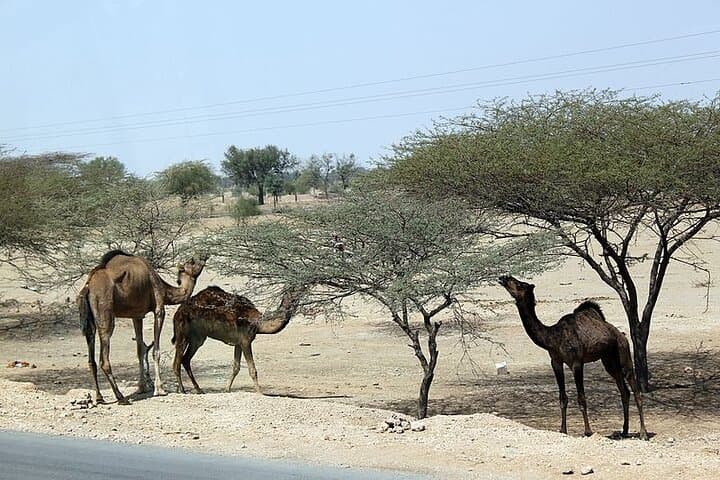
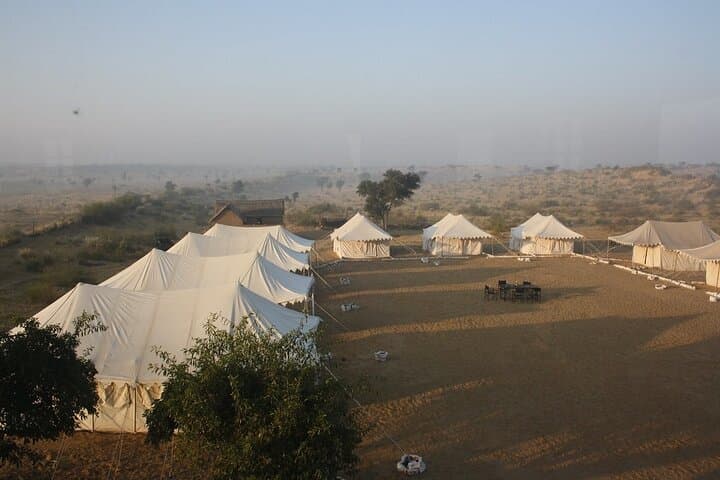
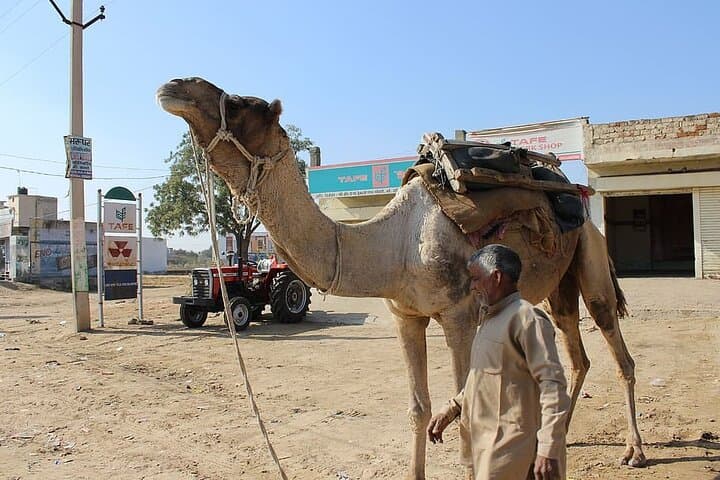
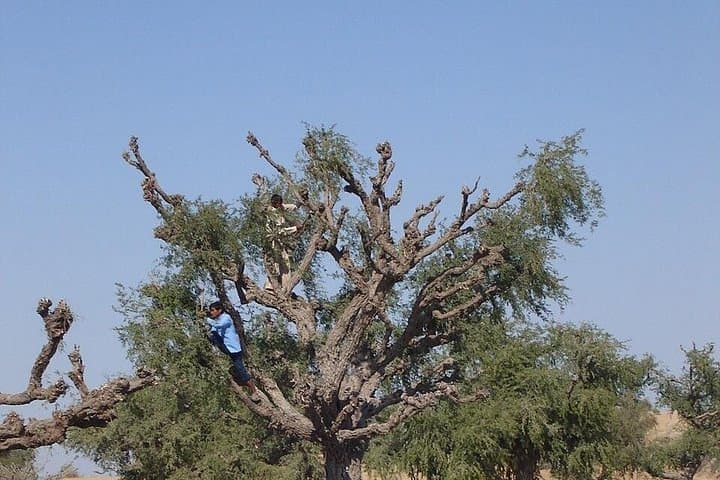
Late afternoon light throws long shadows across the silent ridges of the Thar, and a caravan of camels treads a careful line where sand and sky meet. Travelers meet their guide at a small roadside hamlet near Raiser, mount the slow, steady camels and move into terrain that has shaped livelihoods for centuries: wind-swept dunes, hard-packed inter-dunal plains and scrub dotted with acacia.
Late afternoon light throws long shadows across the silent ridges of the Thar, and a caravan of camels treads a careful line where sand and sky meet. Travelers meet their guide at a small roadside hamlet near Raiser, mount the slow, steady camels and move into terrain that has shaped livelihoods for centuries: wind-swept dunes, hard-packed inter-dunal plains and scrub dotted with acacia.
The Thar’s geology is young desert—sand sheets, dunes and gravel plains formed by monsoon-turned-winds and centuries of intermittent rainfall. Bikaner’s history as a trade and camel-breeding center explains why camel caravans remain a living link to the past. Local villages preserve Rajasthani music and cuisine passed down through generations; the evening ends with a themed Rajasthani meal and live folk musicians playing dholak and kamaicha.
Expect to learn about desert-adapted flora and fauna—small lizards, grazing blackbuck and the elusive Great Indian bustard in more remote pockets—and about camel husbandry that still supports rural families. Guides point out how people read the landscape for water and livelihood.
Practical notes: the excursion lasts about four hours and operates October through March; bring sun protection, a headlamp for the walk back, and a light jacket for cooler desert nights. Wear sturdy, closed-toe shoes for mounting and dismounting camels. Hydrate before you go—carried water is provided but temperatures can still drop quickly after sunset. Respect livestock, follow your guide’s instructions, and keep noise low during the musical portion to preserve the atmosphere and wildlife.