THE ADVENTURE COLLECTIVE® · Independent discovery and booking for outdoor travel

Ride into the quieter reaches of the Thar on a 3-day, 2-night camel safari from Jaisalmer. Expect long sandscapes, desert nights, local Rajasthani culture and simple, practical comforts in camp.
Ride into the quieter reaches of the Thar on a 3-day, 2-night camel safari from Jaisalmer. Expect long sandscapes, desert nights, local Rajasthani culture and simple, practical comforts in camp.
Dust glints in the low sun as a line of camels threads across wind-sculpted ridges. The Thar here is patient and blunt: dunes rise, fall and dare you to follow. On a 3-day, 2-night camel safari from Jaisalmer, travelers trade paved roads for sand lanes, sleeping under a wide sky while local guides steer toward quieter, non-touristic dunes.
Verified experiences and guided adventures in the surrounding area.
Operated by Ba Sawal · Jaisalmer, Rajasthan
Dust glints in the low sun as a line of camels threads across wind-sculpted ridges. The Thar here is patient and blunt: dunes rise, fall and dare you to follow. On a 3-day, 2-night camel safari from Jaisalmer, travelers trade paved roads for sand lanes, sleeping under a wide sky while local guides steer toward quieter, non-touristic dunes.
The region around Jaisalmer has been a crossroads of trade and nomad culture for centuries; camel caravans once carried salt and silk across these sands. Geologically the Thar is an aeolian landscape—ramps of fine sand, interdunal plains and occasional gravel flats shaped by persistent winds. Cultural notes arrive in camp: Rajasthani songs, simple curry meals, and stories of desert nomads who read weather by the sand’s grain.
Expect hours in the saddle or the jeep, short dune climbs and long, open vistas. Nights are cold and crystalline; days can be hot and reflective. Wildlife is subtle: chinkara tracks and the spiny-tailed lizard sunning on a rock if you look closely.
Practical guidance: pack layered clothing (mornings and nights are cool), a broad-brim hat, sun protection and at least 3–4 liters of water per day. Footwear should handle loose sand and occasional rocky stretches. Bring a small headlamp, a lightweight sleeping liner and motion-sickness remedies if needed—the camel’s gait is rhythmic but can unsettle.
Plan travel around cooler months (October–March) for comfort; confirm pick-up and any dietary needs with your operator. This safari is an immersive, low-impact way to experience the Thar’s scale and the culture that thrives on its margins.
moderate.
3 days (approx. 72 hours).
Light-to-moderate fitness: able to mount/dismount camels, walk short dune sections and tolerate several hours of riding each day.
Camel riding is low-impact but uses different muscles than hiking—expect stiffness; short walks between rides and regular rests make the trip manageable for most people.
Yes—most operators provide simple local vegetarian options; confirm dietary needs at booking so they can prepare accordingly.
Service is intermittent in remote dunes; don’t rely on constant connectivity and bring a power bank for essential devices.
Basic camping equipment (tents, mattresses, dining setup) is typically included, but check specifics and bring any personal items you prefer.
Jaisalmer grew as a trading hub on caravan routes; camels were the primary freight animals, shaping local roads and culture.
The Thar is ecologically fragile—stick to established routes, avoid littering and respect grazing lands used by local herders.
Ba Sawal operates guided outdoor trips and adventures with an emphasis on safety, stewardship, and memorable experiences.
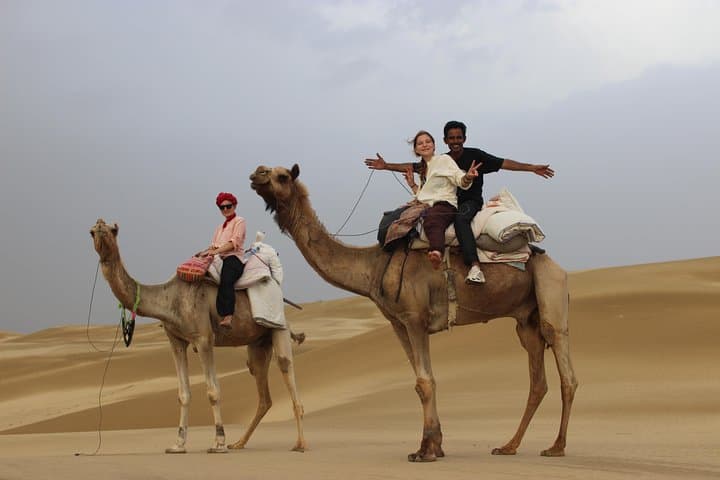
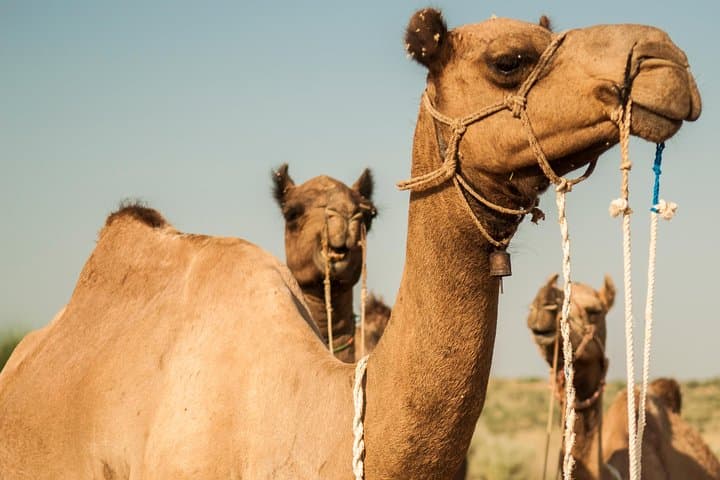
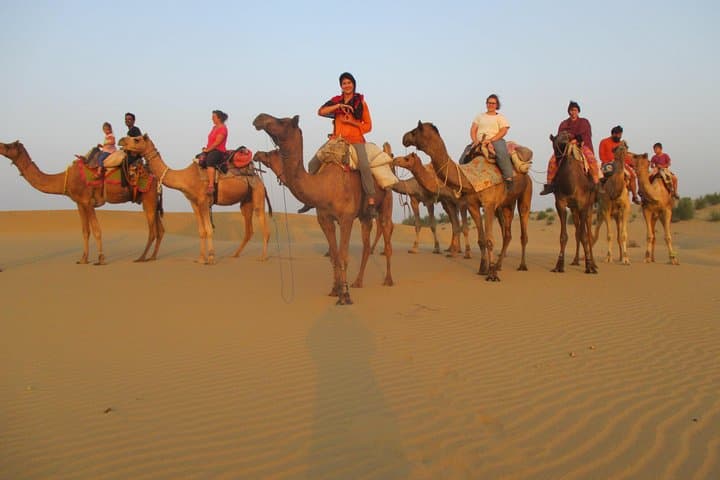
Dust glints in the low sun as a line of camels threads across wind-sculpted ridges. The Thar here is patient and blunt: dunes rise, fall and dare you to follow. On a 3-day, 2-night camel safari from Jaisalmer, travelers trade paved roads for sand lanes, sleeping under a wide sky while local guides steer toward quieter, non-touristic dunes.
Dust glints in the low sun as a line of camels threads across wind-sculpted ridges. The Thar here is patient and blunt: dunes rise, fall and dare you to follow. On a 3-day, 2-night camel safari from Jaisalmer, travelers trade paved roads for sand lanes, sleeping under a wide sky while local guides steer toward quieter, non-touristic dunes.
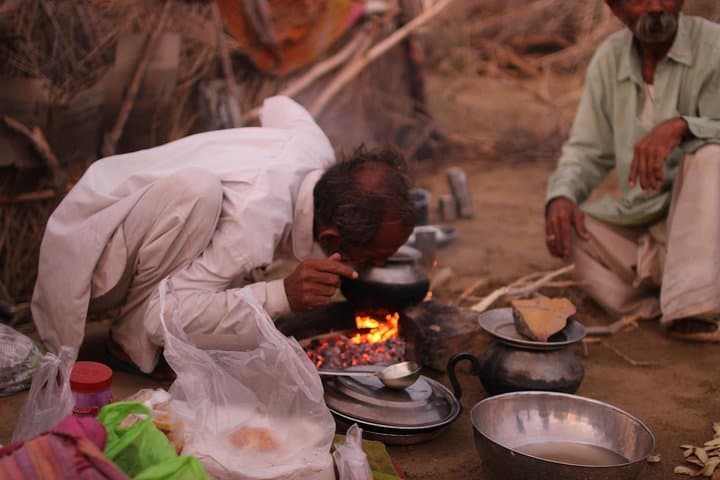
The region around Jaisalmer has been a crossroads of trade and nomad culture for centuries; camel caravans once carried salt and silk across these sands. Geologically the Thar is an aeolian landscape—ramps of fine sand, interdunal plains and occasional gravel flats shaped by persistent winds. Cultural notes arrive in camp: Rajasthani songs, simple curry meals, and stories of desert nomads who read weather by the sand’s grain.
Expect hours in the saddle or the jeep, short dune climbs and long, open vistas. Nights are cold and crystalline; days can be hot and reflective. Wildlife is subtle: chinkara tracks and the spiny-tailed lizard sunning on a rock if you look closely.
Practical guidance: pack layered clothing (mornings and nights are cool), a broad-brim hat, sun protection and at least 3–4 liters of water per day. Footwear should handle loose sand and occasional rocky stretches. Bring a small headlamp, a lightweight sleeping liner and motion-sickness remedies if needed—the camel’s gait is rhythmic but can unsettle.
Plan travel around cooler months (October–March) for comfort; confirm pick-up and any dietary needs with your operator. This safari is an immersive, low-impact way to experience the Thar’s scale and the culture that thrives on its margins.