THE ADVENTURE COLLECTIVE® · Independent discovery and booking for outdoor travel

Navigate Thamel’s buzzing alleys with a local guide, bargain for pashmina and handcrafted goods, then slip into the tranquil, neoclassical Garden of Dreams. This 3–4 hour walk pairs Kathmandu’s energetic market culture with a peaceful historic oasis.
Navigate Thamel’s buzzing alleys with a local guide, bargain for pashmina and handcrafted goods, then slip into the tranquil, neoclassical Garden of Dreams. This 3–4 hour walk pairs Kathmandu’s energetic market culture with a peaceful historic oasis.
The alleyways of Thamel push around you: rickshaw bells, street-food smoke, and vendors calling names in half a dozen languages. Footsteps slow as colorful bolts of pashmina and copperware press close; the market dares you to find the perfect bargain among spices and hand-carved trinkets.
Verified experiences and guided adventures in the surrounding area.
Operated by Himalayan Planet Adventures · Kathmandu, Bagmati Province
The alleyways of Thamel push around you: rickshaw bells, street-food smoke, and vendors calling names in half a dozen languages. Footsteps slow as colorful bolts of pashmina and copperware press close; the market dares you to find the perfect bargain among spices and hand-carved trinkets.
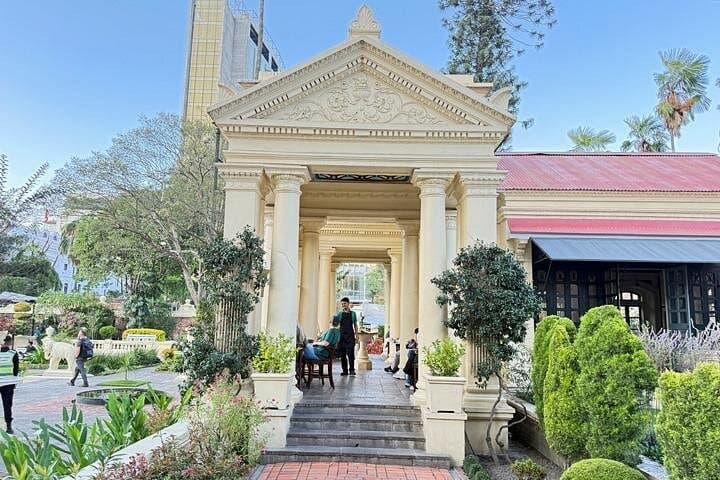
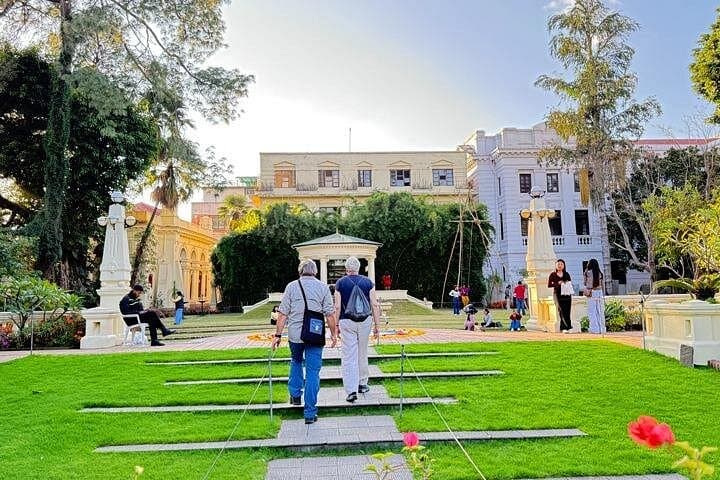
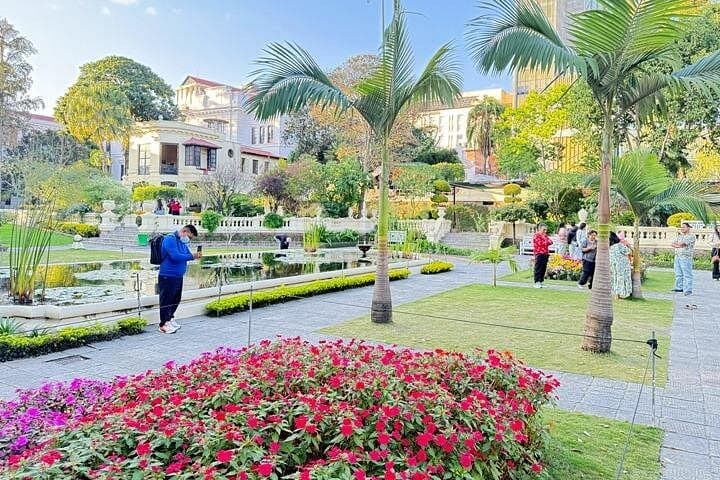
A short guided walk later you step through an unassuming gate and the noise folds away. The Garden of Dreams—laid out by a Rana-era patron nearly a century ago—breathes cool air into the city. Reflecting ponds hold the sky; formal lawns and neoclassical pavilions offer pockets of quiet. The contrast between Thamel’s market scramble and the garden’s ordered calm illustrates Kathmandu’s dual personality: vibrant trade and preserved tradition.
Geologically, Kathmandu sits in a broad valley ringed by low hills; the city’s streets grew where trade routes converged, which is why Asan market remains a living crossroads of Newari culture and daily life. You’ll pass small temples, bronze bells that demand touch, and rooftop cafés that frame the valley beyond.
Plan on 3–4 hours: morning light keeps temperatures bearable and bargaining sharp. Bring small-denomination cash for street vendors, dress respectfully at temple shrines, and set aside time to sit by the ponds—those quiet minutes frame the whole visit. Guides who know the alleys will steer you toward genuine artisans and away from tourist traps.
Practical tips: wear comfortable shoes for uneven alleys, keep a refillable water bottle, and leave larger packs at your hotel if you want frictionless access to narrow lanes. This is an urban walking experience that rewards curiosity, patience, and a readiness to trade a story for a souvenir.
easy.
3–4 hours.
Suitable for most fitness levels; requires steady walking on uneven pavements and steps.
Yes—haggling is common for souvenirs; start around 30–50% below the asking price and negotiate politely.
The garden typically charges a small admission fee; your tour may include admission—confirm at booking.
Yes—it's family-friendly; infants usually sit on laps and the walking pace can be adjusted.
Most street vendors accept cash only; some larger shops take cards, but always carry local currency for smaller purchases.
Thamel evolved as a trade and lodging quarter for travelers; the Garden of Dreams was commissioned by a Rana noble in the early 20th century as a neoclassical leisure garden.
Heavy foot traffic and litter are ongoing challenges; support local conservation by avoiding single-use plastics and respecting garden signage and planted areas.
Himalayan Planet Adventures operates guided outdoor trips and adventures with an emphasis on safety, stewardship, and memorable experiences.

The alleyways of Thamel push around you: rickshaw bells, street-food smoke, and vendors calling names in half a dozen languages. Footsteps slow as colorful bolts of pashmina and copperware press close; the market dares you to find the perfect bargain among spices and hand-carved trinkets.
The alleyways of Thamel push around you: rickshaw bells, street-food smoke, and vendors calling names in half a dozen languages. Footsteps slow as colorful bolts of pashmina and copperware press close; the market dares you to find the perfect bargain among spices and hand-carved trinkets.
A short guided walk later you step through an unassuming gate and the noise folds away. The Garden of Dreams—laid out by a Rana-era patron nearly a century ago—breathes cool air into the city. Reflecting ponds hold the sky; formal lawns and neoclassical pavilions offer pockets of quiet. The contrast between Thamel’s market scramble and the garden’s ordered calm illustrates Kathmandu’s dual personality: vibrant trade and preserved tradition.
Geologically, Kathmandu sits in a broad valley ringed by low hills; the city’s streets grew where trade routes converged, which is why Asan market remains a living crossroads of Newari culture and daily life. You’ll pass small temples, bronze bells that demand touch, and rooftop cafés that frame the valley beyond.
Plan on 3–4 hours: morning light keeps temperatures bearable and bargaining sharp. Bring small-denomination cash for street vendors, dress respectfully at temple shrines, and set aside time to sit by the ponds—those quiet minutes frame the whole visit. Guides who know the alleys will steer you toward genuine artisans and away from tourist traps.
Practical tips: wear comfortable shoes for uneven alleys, keep a refillable water bottle, and leave larger packs at your hotel if you want frictionless access to narrow lanes. This is an urban walking experience that rewards curiosity, patience, and a readiness to trade a story for a souvenir.