THE ADVENTURE COLLECTIVE® · Independent discovery and booking for outdoor travel

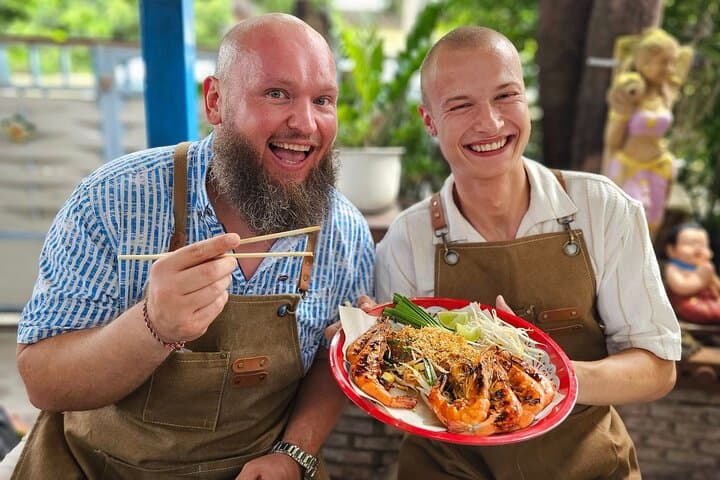
Shop the Huai Khwang market with a German-speaking instructor, then cook four to five classic Thai dishes in a family-style kitchen. This market-to-table class blends hands-on technique with cultural context in a small-group setting.
Shop the Huai Khwang market with a German-speaking instructor, then cook four to five classic Thai dishes in a family-style kitchen. This market-to-table class blends hands-on technique with cultural context in a small-group setting.
You arrive at Huai Khwang’s gray-blue MRT concourse and the city exhales into a street market that smells of lime, galangal and frying oil. Stalls crowd the lanes; vendors call out with brisk precision as you follow a German-speaking instructor through baskets of green peppercorns and bundles of basil. The market is tactile—fresh fish glisten on ice, chilies gleam like tiny torches—and it sets the tone for an afternoon of hands-on learning.
Verified experiences and guided adventures in the surrounding area.
Operated by Plan Vacation Asia Co.,Ltd. · Bangkok, Bangkok
You arrive at Huai Khwang’s gray-blue MRT concourse and the city exhales into a street market that smells of lime, galangal and frying oil. Stalls crowd the lanes; vendors call out with brisk precision as you follow a German-speaking instructor through baskets of green peppercorns and bundles of basil. The market is tactile—fresh fish glisten on ice, chilies gleam like tiny torches—and it sets the tone for an afternoon of hands-on learning.
Bangkok sits on a Chao Phraya floodplain, a low-lying city where markets historically acted as supply hubs for the capital’s kitchens. Thai cuisine grew from that market culture: quick-fire stir-fries, mortar-and-pestle pastes, and coconut-based curries born of abundant tropical produce. In the family-style Uncle & Aunty House kitchen you’ll pound curry paste, coax coconut milk and taste how textures shift with simple technique.
The class blends culture and craft—recipes change daily but always highlight balance: sweet, sour, salty, spicy. The small-group format (max six) keeps instruction hands-on; vegetarian and vegan options are standard.
Practical guidance: meet at MRT Huai Khwang Exit 4 at 14:00, plan for a 5-hour session including market time, and wear breathable, closed-toe shoes. Bring appetite and any dietary notes (they accommodate allergies). Passport details are collected at booking; the experience concludes with dinner, herbal tea and a certificate. Whether you go to sharpen skills or simply taste the city, this market-to-table class delivers both technique and context—an efficient, flavorful snapshot of Bangkok’s kitchen culture.
easy.
5 hours.
Suitable for most fitness levels; requires standing, walking short market sections, and light food-prep motions.
No—this class is designed for beginners and curious home cooks; the instructor demonstrates techniques and guides each step.
Yes—vegetarian and vegan menus are available and instructors can adapt dishes for common allergies if informed in advance.
Meet at MRT Huai Khwang, Exit 4 at 14:00; the listing includes a transfer from the station to the cooking studio when needed.
Yes—additional info indicates wheelchair accessibility for surfaces and areas used during the experience.
Bangkok’s market culture grew on the Chao Phraya floodplain where waterways and roads funneled ingredients into city kitchens; mortar-and-pestle pastes remain a core technique rooted in that marketplace supply chain.
Choose dishes highlighting locally sourced produce and ask about seafood sustainability; minimizing food waste and using seasonal ingredients supports local vendors and reduces impact.
Plan Vacation Asia Co.,Ltd. operates guided outdoor trips and adventures with an emphasis on safety, stewardship, and memorable experiences.
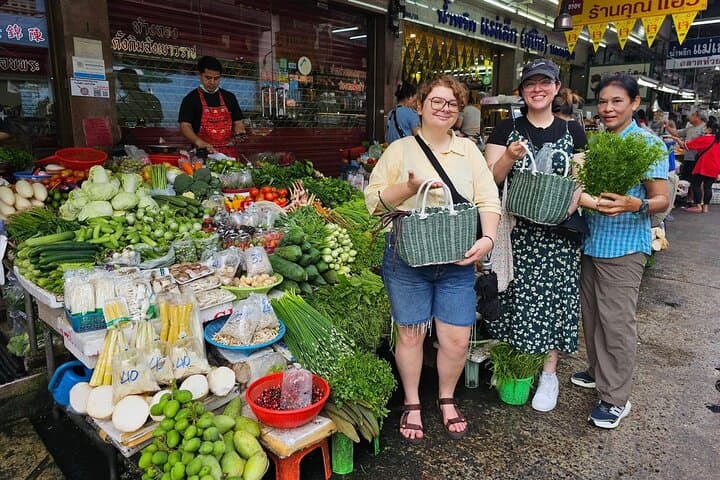
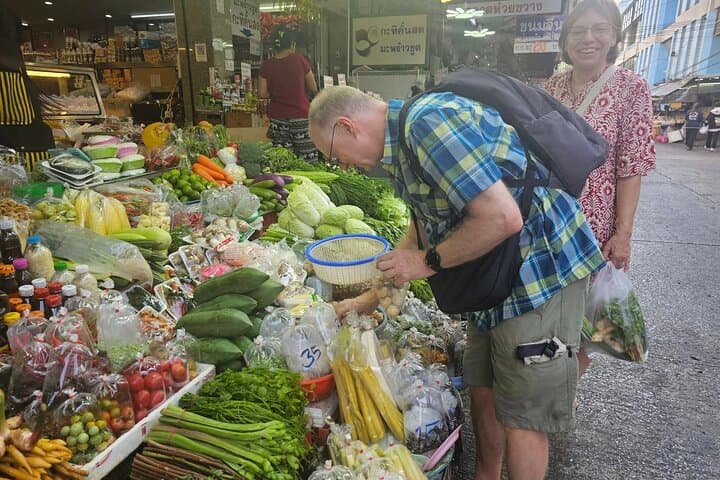
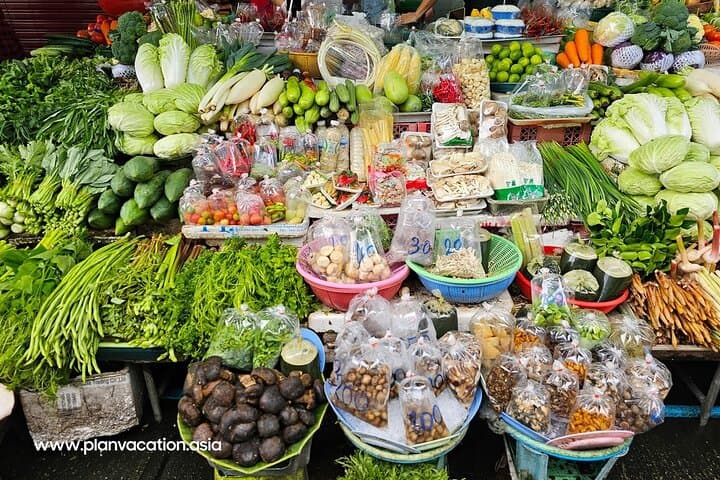
You arrive at Huai Khwang’s gray-blue MRT concourse and the city exhales into a street market that smells of lime, galangal and frying oil. Stalls crowd the lanes; vendors call out with brisk precision as you follow a German-speaking instructor through baskets of green peppercorns and bundles of basil. The market is tactile—fresh fish glisten on ice, chilies gleam like tiny torches—and it sets the tone for an afternoon of hands-on learning.
You arrive at Huai Khwang’s gray-blue MRT concourse and the city exhales into a street market that smells of lime, galangal and frying oil. Stalls crowd the lanes; vendors call out with brisk precision as you follow a German-speaking instructor through baskets of green peppercorns and bundles of basil. The market is tactile—fresh fish glisten on ice, chilies gleam like tiny torches—and it sets the tone for an afternoon of hands-on learning.
Bangkok sits on a Chao Phraya floodplain, a low-lying city where markets historically acted as supply hubs for the capital’s kitchens. Thai cuisine grew from that market culture: quick-fire stir-fries, mortar-and-pestle pastes, and coconut-based curries born of abundant tropical produce. In the family-style Uncle & Aunty House kitchen you’ll pound curry paste, coax coconut milk and taste how textures shift with simple technique.
The class blends culture and craft—recipes change daily but always highlight balance: sweet, sour, salty, spicy. The small-group format (max six) keeps instruction hands-on; vegetarian and vegan options are standard.
Practical guidance: meet at MRT Huai Khwang Exit 4 at 14:00, plan for a 5-hour session including market time, and wear breathable, closed-toe shoes. Bring appetite and any dietary notes (they accommodate allergies). Passport details are collected at booking; the experience concludes with dinner, herbal tea and a certificate. Whether you go to sharpen skills or simply taste the city, this market-to-table class delivers both technique and context—an efficient, flavorful snapshot of Bangkok’s kitchen culture.