THE ADVENTURE COLLECTIVE® · Independent discovery and booking for outdoor travel

A flexible six-hour guided loop around Texel that combines seal rehabilitation, coastal walks to the lighthouse, and tastings at small cheese, beer and smokehouse producers. Ideal for travelers who want wildlife, coastal scenery and local flavors in one day.
A flexible six-hour guided loop around Texel that combines seal rehabilitation, coastal walks to the lighthouse, and tastings at small cheese, beer and smokehouse producers. Ideal for travelers who want wildlife, coastal scenery and local flavors in one day.
You step off the ferry and the island breathes around you — salt air, low dunes, and a horizon where sea and sky blur into one long gray-blue sheet. The guide sets a relaxed pace for a six-hour loop: a visit to the marine animal shelter, walks on white sand toward the red lighthouse, and stops at family-run cheese and smokehouses where local products are sampled.
Verified experiences and guided adventures in the surrounding area.
Operated by Snurk.Travel · Den Burg, North Holland
You step off the ferry and the island breathes around you — salt air, low dunes, and a horizon where sea and sky blur into one long gray-blue sheet. The guide sets a relaxed pace for a six-hour loop: a visit to the marine animal shelter, walks on white sand toward the red lighthouse, and stops at family-run cheese and smokehouses where local products are sampled.
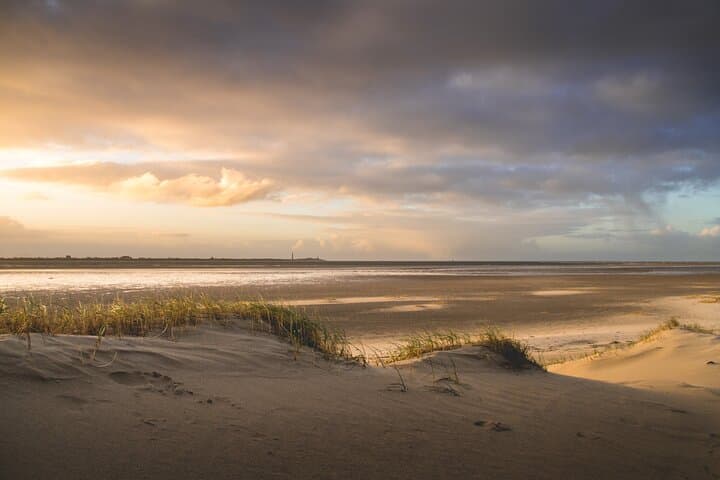
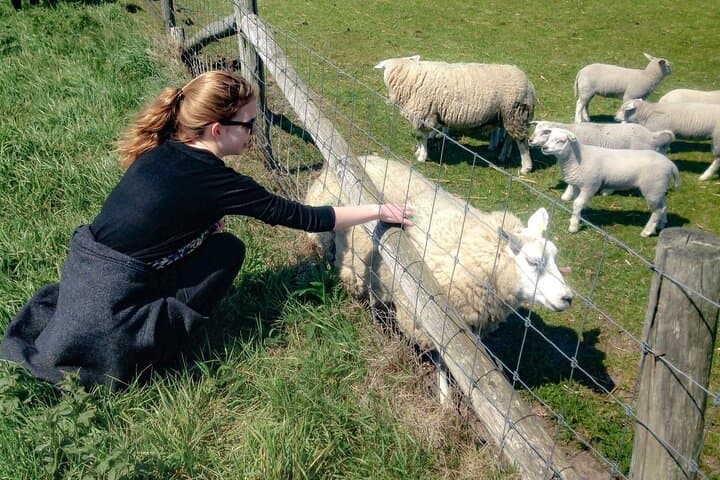
Texel's landscape is young by geological standards — wind-sculpted dunes, tidal flats of the Wadden Sea and reclaimed fields that became pasture. Historically a maritime lifeline and sheep-farming stronghold, the island still carries windmills, narrow lanes and fishing-heritage villages. Culture here is pragmatic and hospitable: pubs pour local beer, small producers bottle island wine, and farmers run seasonal demonstrations when schedules align.
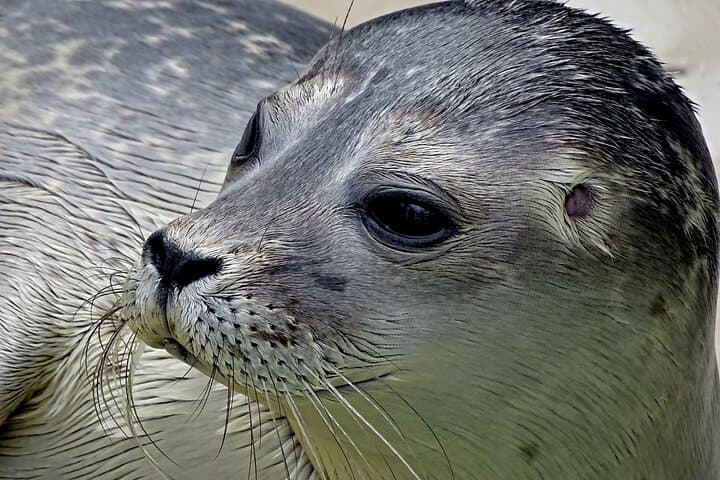
Expect mostly flat terrain with packed sand, short boardwalks and village streets — elevation gain is negligible but footing can be soft on beaches and muddy at the salt marsh edges. Wildlife is visible: grey seals hauled out on sandbanks and flocks of shorebirds on the mudflats.
Practical guidance: book the morning ferry and check tide tables if you plan beach walking by De Slufter; comfortable waterproof layers handle wind and spray; bring binoculars for birds and a camera for low, wide light. The day is customizable by season and local openings — confirm any farm or brewery visits in advance. Respect roped-off dunes and follow your guide’s instructions around rehabilitation sites — this is a small island where considerate travel keeps the wild places wild.
easy.
6 hours.
Suitable for most fitness levels; requires the ability to walk several short stretches (up to a few kilometers total) on sand and flat village roads.
Ferries run from Den Helder to Texel; crossings take about 20 minutes—check the operator's timetable and arrive 20–30 minutes early in high season.
Admissions are typically not included in the tour price; the itinerary may include a visit where you can pay entry or participate depending on the day's plan.
Yes—terrain is mostly flat, but some beach sections and boardwalks can be uneven; bring a sturdy stroller or carrier for very young children.
Yes; visits to farms and producers depend on local schedules, seasonality and weather, so the guide may adjust the route to match openings and conditions.
Texel has long been a maritime and agricultural crossroads — from piloting and shipbuilding in the golden age to sheep farming that shaped its dunes and fields.
The Wadden Sea is a UNESCO site; stay on marked paths, avoid disturbing haul-out sites and support local rehab centers to minimize impact.
Snurk.Travel operates guided outdoor trips and adventures with an emphasis on safety, stewardship, and memorable experiences.
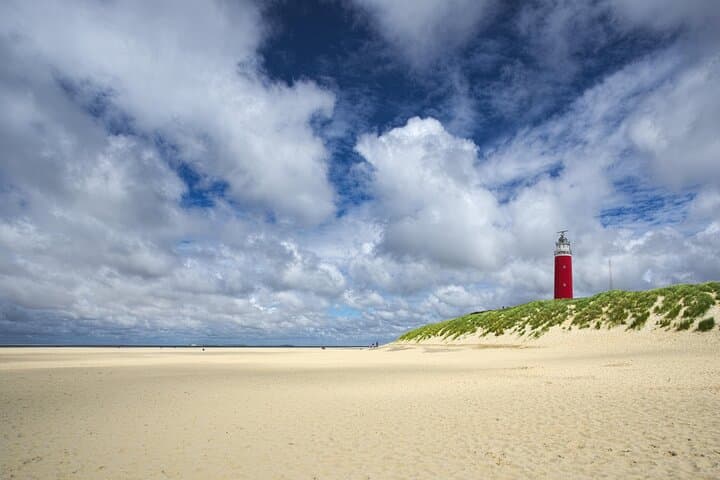
You step off the ferry and the island breathes around you — salt air, low dunes, and a horizon where sea and sky blur into one long gray-blue sheet. The guide sets a relaxed pace for a six-hour loop: a visit to the marine animal shelter, walks on white sand toward the red lighthouse, and stops at family-run cheese and smokehouses where local products are sampled.
You step off the ferry and the island breathes around you — salt air, low dunes, and a horizon where sea and sky blur into one long gray-blue sheet. The guide sets a relaxed pace for a six-hour loop: a visit to the marine animal shelter, walks on white sand toward the red lighthouse, and stops at family-run cheese and smokehouses where local products are sampled.
Texel's landscape is young by geological standards — wind-sculpted dunes, tidal flats of the Wadden Sea and reclaimed fields that became pasture. Historically a maritime lifeline and sheep-farming stronghold, the island still carries windmills, narrow lanes and fishing-heritage villages. Culture here is pragmatic and hospitable: pubs pour local beer, small producers bottle island wine, and farmers run seasonal demonstrations when schedules align.
Expect mostly flat terrain with packed sand, short boardwalks and village streets — elevation gain is negligible but footing can be soft on beaches and muddy at the salt marsh edges. Wildlife is visible: grey seals hauled out on sandbanks and flocks of shorebirds on the mudflats.
Practical guidance: book the morning ferry and check tide tables if you plan beach walking by De Slufter; comfortable waterproof layers handle wind and spray; bring binoculars for birds and a camera for low, wide light. The day is customizable by season and local openings — confirm any farm or brewery visits in advance. Respect roped-off dunes and follow your guide’s instructions around rehabilitation sites — this is a small island where considerate travel keeps the wild places wild.