THE ADVENTURE COLLECTIVE® · Independent discovery and booking for outdoor travel

Spend a day tracing Tetouan’s UNESCO-listed medina on a round trip from Tangier. Explore zellij tiles, riads, and the Royal Palace, with time for local food and artisan markets before returning the same evening.
Spend a day tracing Tetouan’s UNESCO-listed medina on a round trip from Tangier. Explore zellij tiles, riads, and the Royal Palace, with time for local food and artisan markets before returning the same evening.
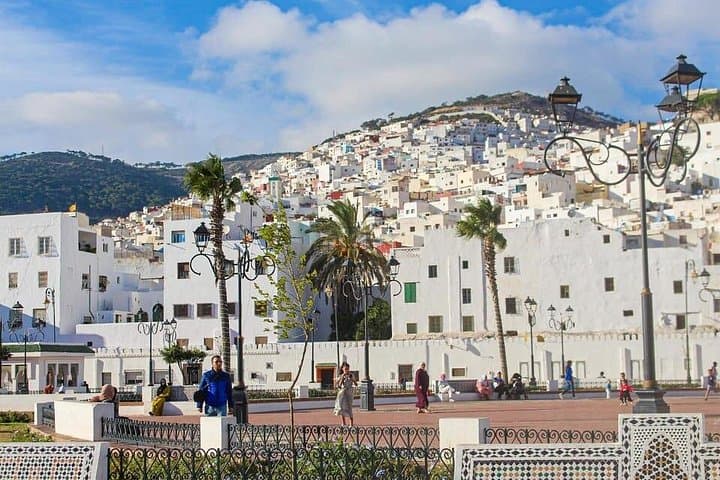
You arrive from Tangier with the Rif Mountains sliding past the window—rugged ridgelines giving way to whitewashed houses—until the medina walls of Tetouan rise and the bus lets you off at a narrow street mouth. The scent of simmering tagines and fresh bread threads through alleys where zellij tiles flash like punctuation and carved wooden doors mark family riads.
Verified experiences and guided adventures in the surrounding area.
Operated by Xauen Tours · Tetouan, Tanger-Tetouan-Al Hoceima
You arrive from Tangier with the Rif Mountains sliding past the window—rugged ridgelines giving way to whitewashed houses—until the medina walls of Tetouan rise and the bus lets you off at a narrow street mouth. The scent of simmering tagines and fresh bread threads through alleys where zellij tiles flash like punctuation and carved wooden doors mark family riads.
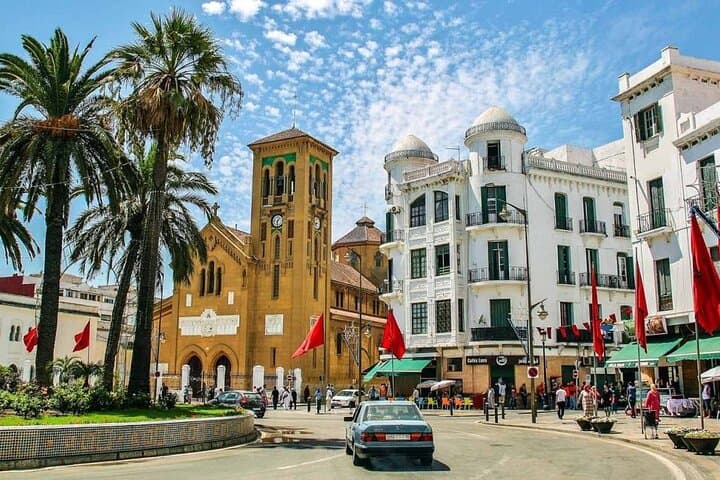
Tetouan’s medina, a UNESCO World Heritage site, reflects Andalusian exile and centuries of Mediterranean trade: buildings lean on Moorish geometry, markets hum with artisans hammering metal and laying mosaic, and the Royal Palace and Ethnographic Museum hold pieces of city life and colonial-era layers. Geologically, the nearby Rif is a folded belt of Mesozoic limestone that frames the city and channels breezes from the sea.
On a six‑hour round trip from Tangier you’ll have time to wander, photograph rooftop tilework, and sit for a tagine at a small eatery. Practicalities matter: medina streets are uneven and often stepped, shops expect polite bargaining, and modest dress eases social interactions.
Plan to start mid‑morning to catch markets before late‑day heat. Wear supportive walking shoes, carry water, and keep valuables close in crowded souks. If you want museum access, check opening hours and bring local cash for smaller vendors. The trip delivers a compact cultural immersion—architectural detail, culinary flavor, and a vivid sense of northern Morocco—while returning you to Tangier at day’s end, lighter with stories and tile fragments of memory.
easy.
6 hours.
Light walking fitness sufficient—expect 2–4 miles of uneven, low‑grade walking in the medina.
The round‑trip drive is about 1–1.5 hours each way depending on traffic, with roughly 4 hours available in Tetouan for exploring.
Many main streets are narrow and stepped; while some areas are passable, full wheelchair access is limited—contact the operator for pickup and accessibility details.
Meals are not included; the itinerary allows time to sample local tagines and pastries at cafés and small restaurants in the medina.
Bring Moroccan dirhams for small vendors and taxis; larger riads and museums may accept cards but cash is more widely accepted.
Tetouan’s medina preserves Andalusian architectural influence from refugees who arrived after 15th‑century expulsions, creating a distinctive urban fabric later recognized by UNESCO.
Urban growth and day‑tour foot traffic stress historic fabric—minimize impact by staying on established paths, avoiding touching delicate tiles, and using local businesses to support preservation.
Xauen Tours operates guided outdoor trips and adventures with an emphasis on safety, stewardship, and memorable experiences.

You arrive from Tangier with the Rif Mountains sliding past the window—rugged ridgelines giving way to whitewashed houses—until the medina walls of Tetouan rise and the bus lets you off at a narrow street mouth. The scent of simmering tagines and fresh bread threads through alleys where zellij tiles flash like punctuation and carved wooden doors mark family riads.
You arrive from Tangier with the Rif Mountains sliding past the window—rugged ridgelines giving way to whitewashed houses—until the medina walls of Tetouan rise and the bus lets you off at a narrow street mouth. The scent of simmering tagines and fresh bread threads through alleys where zellij tiles flash like punctuation and carved wooden doors mark family riads.
Tetouan’s medina, a UNESCO World Heritage site, reflects Andalusian exile and centuries of Mediterranean trade: buildings lean on Moorish geometry, markets hum with artisans hammering metal and laying mosaic, and the Royal Palace and Ethnographic Museum hold pieces of city life and colonial-era layers. Geologically, the nearby Rif is a folded belt of Mesozoic limestone that frames the city and channels breezes from the sea.
On a six‑hour round trip from Tangier you’ll have time to wander, photograph rooftop tilework, and sit for a tagine at a small eatery. Practicalities matter: medina streets are uneven and often stepped, shops expect polite bargaining, and modest dress eases social interactions.
Plan to start mid‑morning to catch markets before late‑day heat. Wear supportive walking shoes, carry water, and keep valuables close in crowded souks. If you want museum access, check opening hours and bring local cash for smaller vendors. The trip delivers a compact cultural immersion—architectural detail, culinary flavor, and a vivid sense of northern Morocco—while returning you to Tangier at day’s end, lighter with stories and tile fragments of memory.