THE ADVENTURE COLLECTIVE® · Independent discovery and booking for outdoor travel

Climb from Antalya into the pine-swept heights to explore Termessos, an unusually well-preserved ancient city perched on Güllük Mountain. This 4–5 hour hiking tour combines dramatic ruins, limestone ridgelines, and clear views back toward the Mediterranean.
Climb from Antalya into the pine-swept heights to explore Termessos, an unusually well-preserved ancient city perched on Güllük Mountain. This 4–5 hour hiking tour combines dramatic ruins, limestone ridgelines, and clear views back toward the Mediterranean.
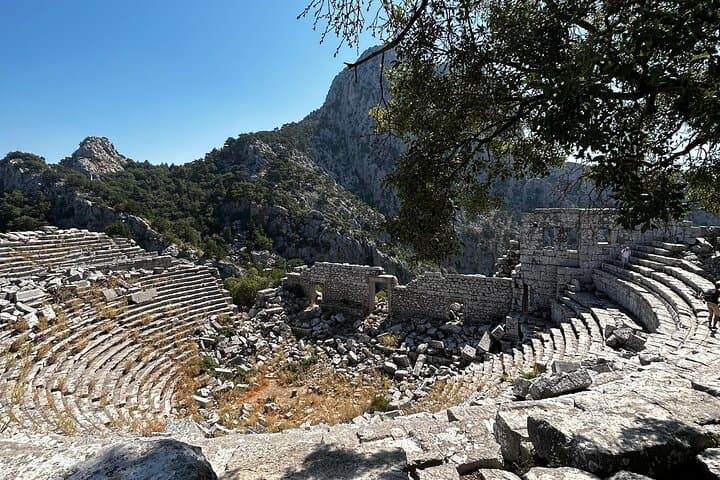
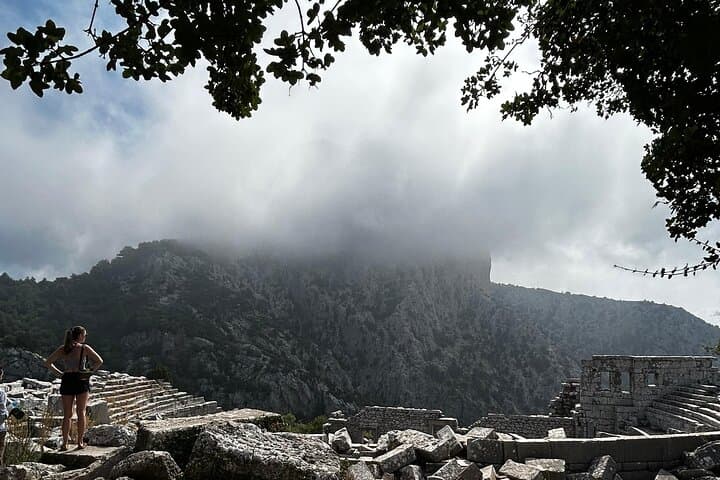
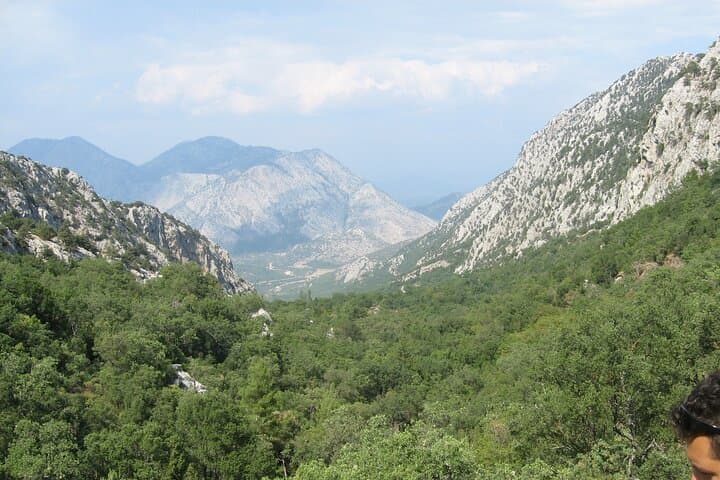
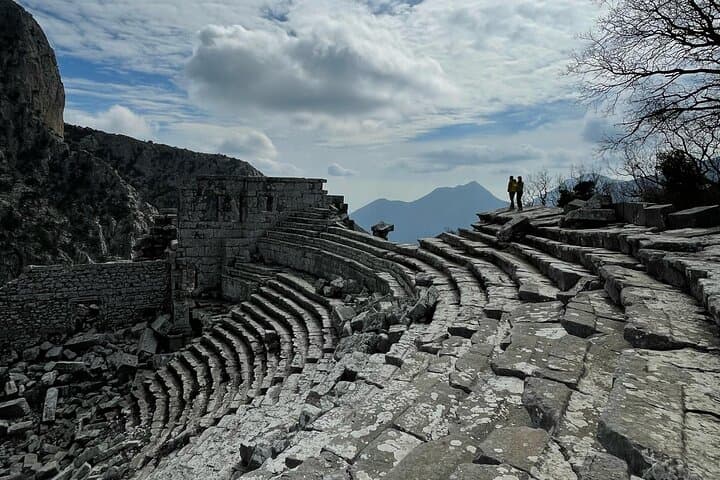
A high, dry wind crosses the path as the road from Antalya gives way to pine-scented slopes and crumbling stone. You step off the minivan and the city falls away; gullies and ridgelines frame an amphitheater cut into hard limestone. The trail to Termessos moves through scrub and scattered cedar, the mountain itself almost daring you to look back toward the Mediterranean before you turn and walk into the ruins.
Verified experiences and guided adventures in the surrounding area.
Operated by Antalya Local Guide · Antalya, Antalya Province
A high, dry wind crosses the path as the road from Antalya gives way to pine-scented slopes and crumbling stone. You step off the minivan and the city falls away; gullies and ridgelines frame an amphitheater cut into hard limestone. The trail to Termessos moves through scrub and scattered cedar, the mountain itself almost daring you to look back toward the Mediterranean before you turn and walk into the ruins.
Termessos occupies a shelf between peaks on Güllük Mountain at about 1,050 m. The city was built by the Pisidians and later fought off Alexander the Great; its theater, bouleuterion, and colonnaded street are unusually intact because the settlement was never rebuilt. Geology here is rugged limestone—steep gullies, exposed bedrock and karst features—so water collects in ancient cisterns and necropoleis perch on natural terraces. Local life historically revolved around pastoralism; today shepherds still graze goats on the slopes and the park protects both flora and archaeological fabric.
Practical guidance: allow 4–5 hours including transfers, wear sturdy shoes for uneven stone steps, and bring 1.5–2 L of water—the sun can be strong even when the air feels cool. Start early to avoid mid-day heat and to get softer light on the theater and tombs. There’s limited shade on exposed sections, and an entrance fee is usually paid at the site; guided tours include context and a shuttle from Antalya with designated pick-up points. Take care on edges, respect the ruins, and leave no trace—the mountain keeps its history when visitors do.
moderate.
4–5 hours.
Moderate fitness—able to walk on uneven ground for several hours and manage short stair sections; not technical but requires stamina.
Admission is typically not included in standard bookings—pay the park entrance at the site unless your tour listing specifies otherwise.
The path is well-marked but uneven with steps; children and older visitors who can handle uphill walking for a few hours will generally be fine, but there are exposed edges and stairs to navigate.
Yes—this tour offers pickup and drop-off at designated points in Antalya; confirm your exact pickup point when booking.
Spring and fall offer the most comfortable temperatures and clearer views; summer mornings work well but expect higher heat by midday.
Termessos resisted Alexander the Great and remained relatively untouched after antiquity, leaving civic structures like the theater, gymnasium and bouleuterion remarkably preserved.
The site sits within a national park—stay on trails, avoid touching fragile masonry, and carry out waste; erosion and visitor impact are the main conservation concerns.
Antalya Local Guide operates guided outdoor trips and adventures with an emphasis on safety, stewardship, and memorable experiences.
A high, dry wind crosses the path as the road from Antalya gives way to pine-scented slopes and crumbling stone. You step off the minivan and the city falls away; gullies and ridgelines frame an amphitheater cut into hard limestone. The trail to Termessos moves through scrub and scattered cedar, the mountain itself almost daring you to look back toward the Mediterranean before you turn and walk into the ruins.
A high, dry wind crosses the path as the road from Antalya gives way to pine-scented slopes and crumbling stone. You step off the minivan and the city falls away; gullies and ridgelines frame an amphitheater cut into hard limestone. The trail to Termessos moves through scrub and scattered cedar, the mountain itself almost daring you to look back toward the Mediterranean before you turn and walk into the ruins.
Termessos occupies a shelf between peaks on Güllük Mountain at about 1,050 m. The city was built by the Pisidians and later fought off Alexander the Great; its theater, bouleuterion, and colonnaded street are unusually intact because the settlement was never rebuilt. Geology here is rugged limestone—steep gullies, exposed bedrock and karst features—so water collects in ancient cisterns and necropoleis perch on natural terraces. Local life historically revolved around pastoralism; today shepherds still graze goats on the slopes and the park protects both flora and archaeological fabric.
Practical guidance: allow 4–5 hours including transfers, wear sturdy shoes for uneven stone steps, and bring 1.5–2 L of water—the sun can be strong even when the air feels cool. Start early to avoid mid-day heat and to get softer light on the theater and tombs. There’s limited shade on exposed sections, and an entrance fee is usually paid at the site; guided tours include context and a shuttle from Antalya with designated pick-up points. Take care on edges, respect the ruins, and leave no trace—the mountain keeps its history when visitors do.