THE ADVENTURE COLLECTIVE® · Independent discovery and booking for outdoor travel

Walk the austere ramparts and museum rooms of Terezín with a private Prague guide. This guided day trip pairs military architecture and poignant wartime art with practical transport and local perspective.
Walk the austere ramparts and museum rooms of Terezín with a private Prague guide. This guided day trip pairs military architecture and poignant wartime art with practical transport and local perspective.
You step out of the private vehicle onto the cobbled square of a former garrison town where brick walls and austere bastions still keep quiet watch. The air here is colder; the silence between buildings feels deliberate. A local guide leads the way, keys and stories in hand, toward the Big Fortress, the Small Fortress, and the museum rooms where art and documents survive as remnants of daily life under surveillance.
Verified experiences and guided adventures in the surrounding area.
Operated by Personal Prague Guide · Terezín, Central Bohemian Region
You step out of the private vehicle onto the cobbled square of a former garrison town where brick walls and austere bastions still keep quiet watch. The air here is colder; the silence between buildings feels deliberate. A local guide leads the way, keys and stories in hand, toward the Big Fortress, the Small Fortress, and the museum rooms where art and documents survive as remnants of daily life under surveillance.
Terezín (Theresienstadt) began as an 18th‑century Habsburg fortress and was transformed by the Nazis into a ghetto and transit camp from 1941–1945. Roughly 135,000 people were processed through the Big Fortress; the Small Fortress functioned as a Gestapo prison. The site presents layered history—military architecture, wartime propaganda, and the surprising persistence of culture: music, theatre and paintings created by prisoners are on view in the museum collection.
Practicalities shape the visit. Expect a 6‑hour round trip from Prague with private transport and a driver‑guide; admissions are often paid on site, so verify tickets in advance. Paths are paved but uneven; allow time for close, careful observation rather than hurried sightseeing. Photography is permitted in many areas but avoid flash and intrusive framing out of respect. Wear sturdy shoes and a weatherproof layer—exposed ramparts catch wind and rain.
Combine this excursion with nearby stops—Melník vineyards, Nelahozeves Castle, or the memorial in Lidice—if you want broader context on Czech wartime history.
easy.
6 hours.
Light walking on mostly paved but uneven surfaces; suitable for most fitness levels
Admission is not automatically included for all sites; check your booking details and be prepared to pay on site or request tickets in advance.
Typical door‑to‑door duration is about 6 hours from Prague with private transportation and a driver‑guide; expect multiple stops within the complex.
Many areas are wheelchair accessible, but some historic sections have uneven surfaces or steps—notify the operator of mobility needs ahead of time.
Yes—options commonly offered include Melník (wines), Nelahozeves Castle, or the Lidice memorial, often for an additional fee.
Originally an 18th‑century Habsburg fortress, Terezín was repurposed by Nazi authorities as a ghetto and transit camp between 1941–1945; cultural activity by inmates is a significant and tragic facet of its history.
The site is maintained as a national memorial with conservation efforts focused on stabilizing historic buildings and preserving fragile artworks and documents; visitors are asked to follow preservation rules to limit wear.
Personal Prague Guide operates guided outdoor trips and adventures with an emphasis on safety, stewardship, and memorable experiences.
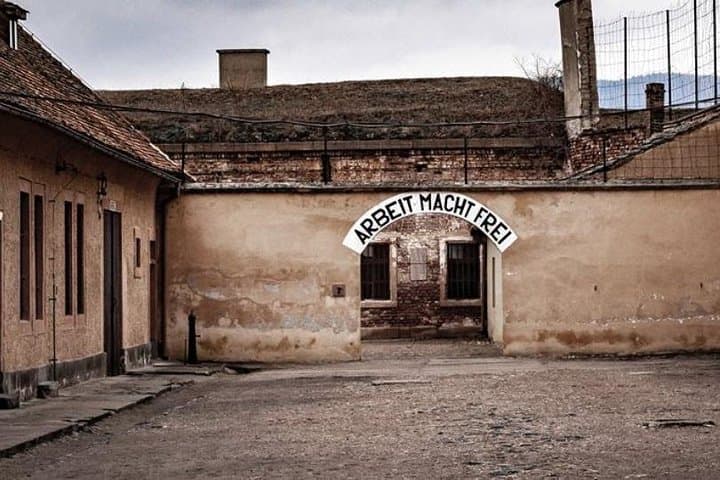
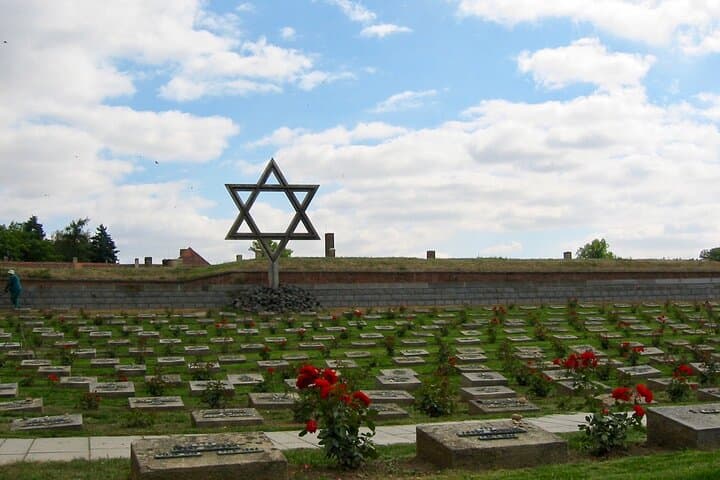
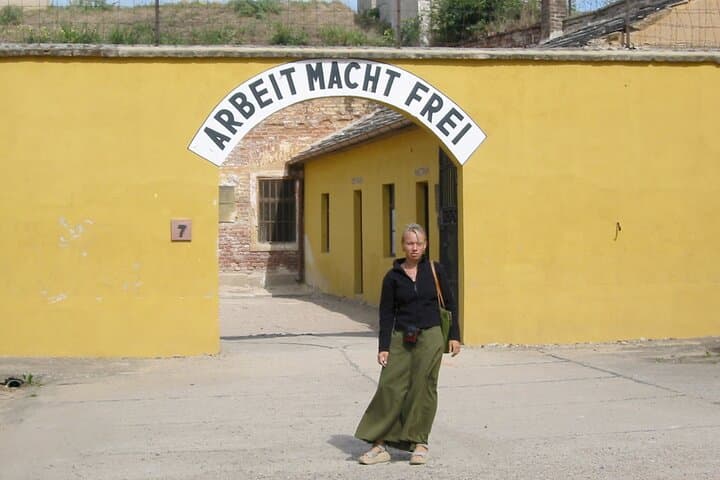
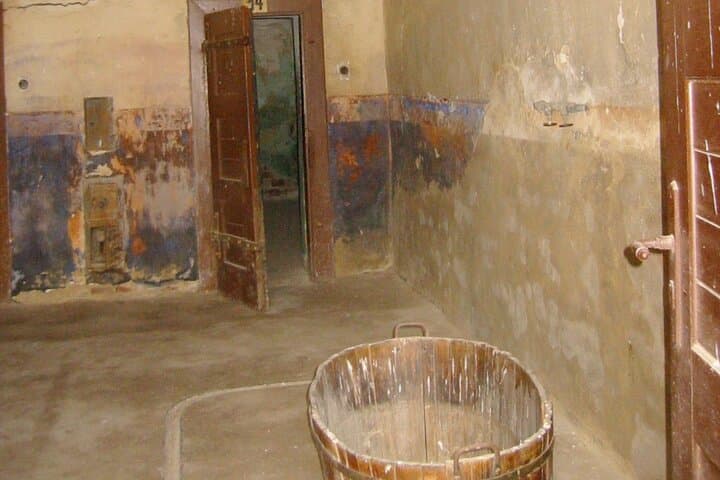
You step out of the private vehicle onto the cobbled square of a former garrison town where brick walls and austere bastions still keep quiet watch. The air here is colder; the silence between buildings feels deliberate. A local guide leads the way, keys and stories in hand, toward the Big Fortress, the Small Fortress, and the museum rooms where art and documents survive as remnants of daily life under surveillance.
You step out of the private vehicle onto the cobbled square of a former garrison town where brick walls and austere bastions still keep quiet watch. The air here is colder; the silence between buildings feels deliberate. A local guide leads the way, keys and stories in hand, toward the Big Fortress, the Small Fortress, and the museum rooms where art and documents survive as remnants of daily life under surveillance.
Terezín (Theresienstadt) began as an 18th‑century Habsburg fortress and was transformed by the Nazis into a ghetto and transit camp from 1941–1945. Roughly 135,000 people were processed through the Big Fortress; the Small Fortress functioned as a Gestapo prison. The site presents layered history—military architecture, wartime propaganda, and the surprising persistence of culture: music, theatre and paintings created by prisoners are on view in the museum collection.
Practicalities shape the visit. Expect a 6‑hour round trip from Prague with private transport and a driver‑guide; admissions are often paid on site, so verify tickets in advance. Paths are paved but uneven; allow time for close, careful observation rather than hurried sightseeing. Photography is permitted in many areas but avoid flash and intrusive framing out of respect. Wear sturdy shoes and a weatherproof layer—exposed ramparts catch wind and rain.
Combine this excursion with nearby stops—Melník vineyards, Nelahozeves Castle, or the memorial in Lidice—if you want broader context on Czech wartime history.