THE ADVENTURE COLLECTIVE® · Independent discovery and booking for outdoor travel

Walk the fortress walls of Terezín and confront one of the most complex historical sites of WWII — a fortified garrison turned Jewish ghetto and Gestapo prison. This day tour from Prague combines battlefield architecture, poignant exhibits, and practical visitor advice.
Walk the fortress walls of Terezín and confront one of the most complex historical sites of WWII — a fortified garrison turned Jewish ghetto and Gestapo prison. This day tour from Prague combines battlefield architecture, poignant exhibits, and practical visitor advice.
You arrive through a low stone gate and the fortress air changes: wind across the ramparts pushes at your jacket, cobbles echo underfoot, and the barracks stand like patient witnesses. The town’s geometry — thick walls, rectangular courtyards, and long brick barracks — keeps its history visible and unavoidable.
Verified experiences and guided adventures in the surrounding area.
Operated by Prague Tours by Tatiana · Terezín, Ústí nad Labem Region
You arrive through a low stone gate and the fortress air changes: wind across the ramparts pushes at your jacket, cobbles echo underfoot, and the barracks stand like patient witnesses. The town’s geometry — thick walls, rectangular courtyards, and long brick barracks — keeps its history visible and unavoidable.
Built in the late 18th century during Maria Theresa’s reign as a Habsburg stronghold, Terezín (Theresienstadt) later became a garrison and prison. Under Nazi occupation it was reconfigured into a Jewish ghetto and transit camp; some 155,000 people passed through its gates, many deported to death camps farther east. The site combines the Main Fortress ghetto areas, the Small Fortress Gestapo prison, barracks exhibits, and memorials that present both bureaucratic cruelty and intimate personal stories — children’s drawings, camp lists and preserved cells.
Geology here is flat lowland cut by river valleys; the fortress sits on compacted floodplain soils that made construction simple but left the town exposed to winter winds and bright autumn light. Culturally, Terezín functions as a place of remembrance and education — local guides balance sober facts with survivor testimony.
Practical guidance: allow roughly six hours to see the Main Fortress, Small Fortress and museum exhibits without rushing. Wear sturdy shoes for uneven cobbles and stairways, bring water and a layered jacket for wind. Photography is generally allowed outdoors and in some exhibits — but follow signage and guide instructions. The visit is emotionally intense; plan a quiet debrief afterward and respect the site’s memorial nature.
moderate.
6 hours.
Moderate fitness: able to walk on cobbles, climb stairs and stand for museum explanations.
This private tour runs about six hours, typically including hotel pickup from Prague and time to visit Main Fortress sites, the Small Fortress, and museum exhibits.
Much of the Main Fortress and transportation options in this tour are wheelchair accessible, but some historic buildings and cobbled areas have limited access; check with the operator for specific stop accessibility.
Photography is generally allowed in outdoor areas and many museum spaces without flash, but some rooms and sensitive exhibits may restrict images — follow posted rules and your guide’s instructions.
By car the drive is roughly 50–70 minutes north of Prague; public transport options include regional buses or trains to nearby towns plus a short local transfer, but a private tour simplifies logistics.
Named for Empress Maria Theresa, Terezín began as an 18th‑century Habsburg fortress before becoming a garrison, prison and during WWII a Jewish ghetto and Gestapo-controlled Small Fortress.
Preservation and restoration are ongoing; visitors help by staying on paths, not touching fragile artifacts, and supporting local museums that fund conservation and educational programs.
Prague Tours by Tatiana operates guided outdoor trips and adventures with an emphasis on safety, stewardship, and memorable experiences.
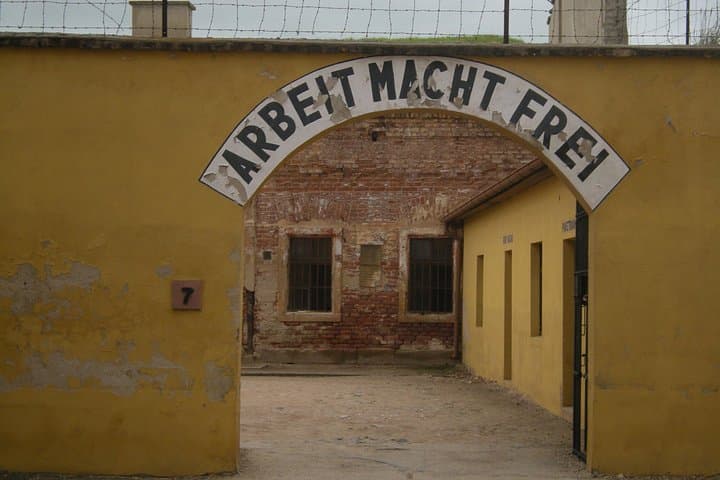
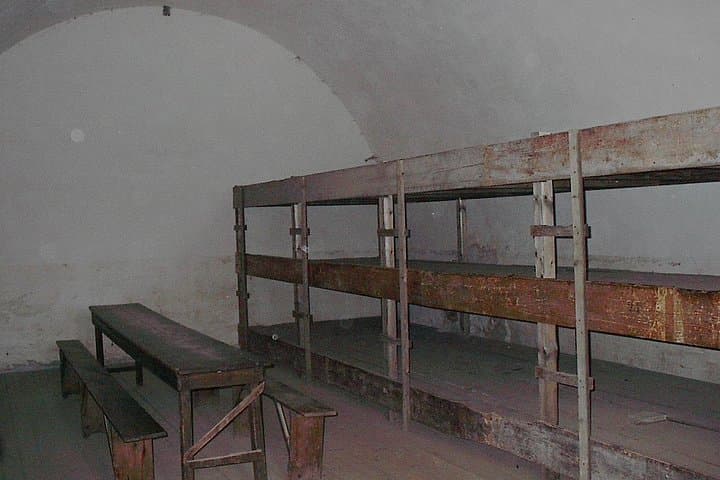
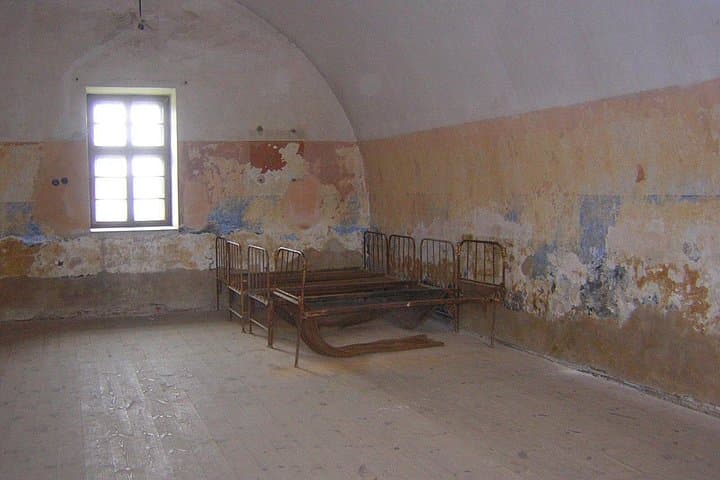
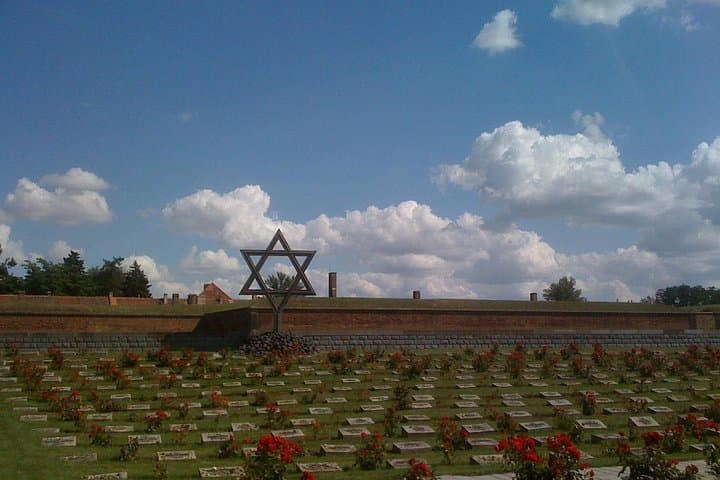
You arrive through a low stone gate and the fortress air changes: wind across the ramparts pushes at your jacket, cobbles echo underfoot, and the barracks stand like patient witnesses. The town’s geometry — thick walls, rectangular courtyards, and long brick barracks — keeps its history visible and unavoidable.
You arrive through a low stone gate and the fortress air changes: wind across the ramparts pushes at your jacket, cobbles echo underfoot, and the barracks stand like patient witnesses. The town’s geometry — thick walls, rectangular courtyards, and long brick barracks — keeps its history visible and unavoidable.
Built in the late 18th century during Maria Theresa’s reign as a Habsburg stronghold, Terezín (Theresienstadt) later became a garrison and prison. Under Nazi occupation it was reconfigured into a Jewish ghetto and transit camp; some 155,000 people passed through its gates, many deported to death camps farther east. The site combines the Main Fortress ghetto areas, the Small Fortress Gestapo prison, barracks exhibits, and memorials that present both bureaucratic cruelty and intimate personal stories — children’s drawings, camp lists and preserved cells.
Geology here is flat lowland cut by river valleys; the fortress sits on compacted floodplain soils that made construction simple but left the town exposed to winter winds and bright autumn light. Culturally, Terezín functions as a place of remembrance and education — local guides balance sober facts with survivor testimony.
Practical guidance: allow roughly six hours to see the Main Fortress, Small Fortress and museum exhibits without rushing. Wear sturdy shoes for uneven cobbles and stairways, bring water and a layered jacket for wind. Photography is generally allowed outdoors and in some exhibits — but follow signage and guide instructions. The visit is emotionally intense; plan a quiet debrief afterward and respect the site’s memorial nature.