THE ADVENTURE COLLECTIVE® · Independent discovery and booking for outdoor travel

Travel from Prague to Terezín for a guided, historian-led exploration of the Ghetto and Small Fortress. This 4–5 hour tour mixes documented testimony, museum exhibits, and off-route sites like the hidden Prayer Room and remnants of the ghetto railway.
Travel from Prague to Terezín for a guided, historian-led exploration of the Ghetto and Small Fortress. This 4–5 hour tour mixes documented testimony, museum exhibits, and off-route sites like the hidden Prayer Room and remnants of the ghetto railway.
You arrive from Prague as the road levels and the river plain opens: low walls and red-tiled roofs give way to the austere ring of fortifications that hold Terezín. The air here carries history—wind on the ramparts, footsteps in courtyards once crowded, and the hush of a place that obliges attention.
Verified experiences and guided adventures in the surrounding area.
Operated by Prague: Local Historian Tours · Terezín, Ústí nad Labem Region
You arrive from Prague as the road levels and the river plain opens: low walls and red-tiled roofs give way to the austere ring of fortifications that hold Terezín. The air here carries history—wind on the ramparts, footsteps in courtyards once crowded, and the hush of a place that obliges attention.
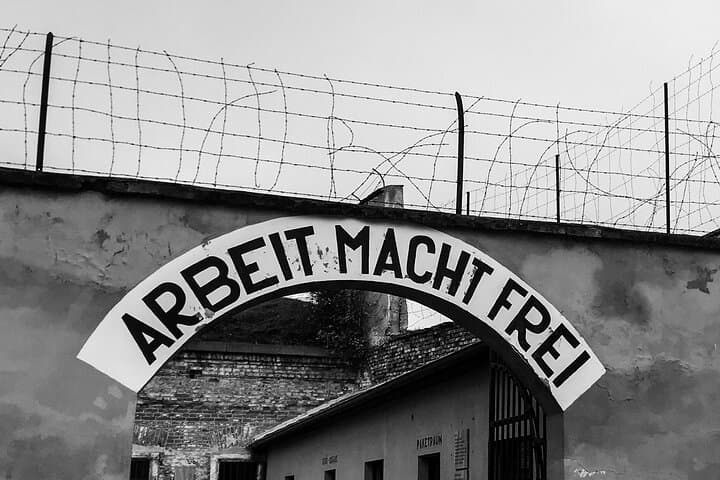
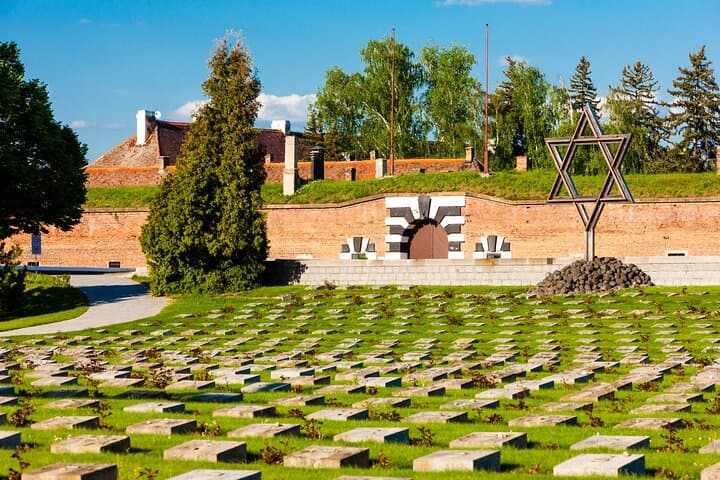
Terezín (Theresienstadt) served as a ghetto and transit camp during WWII and the Small Fortress operated as a Gestapo prison for political detainees. Geologically the site sits on the Elbe floodplain; the town’s brick barracks and masonry forts reflect 18th-century military engineering adapted into a 20th-century instrument of oppression. Culturally, the town is unique: artists and intellectuals were corralled here, leaving behind clandestine works and a story of resistance and endurance.
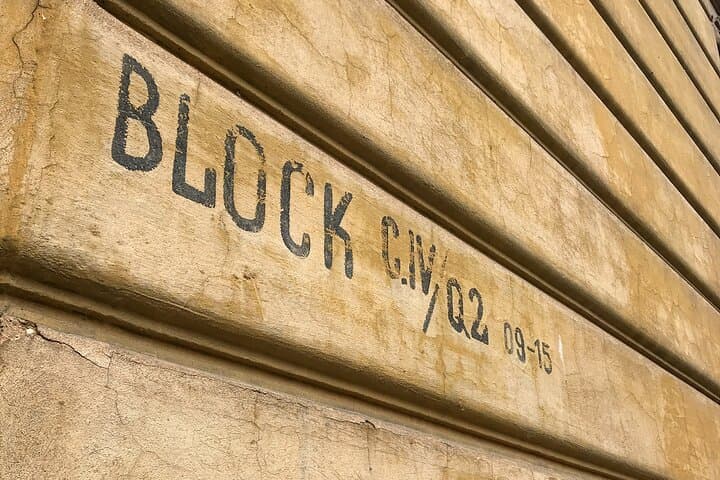
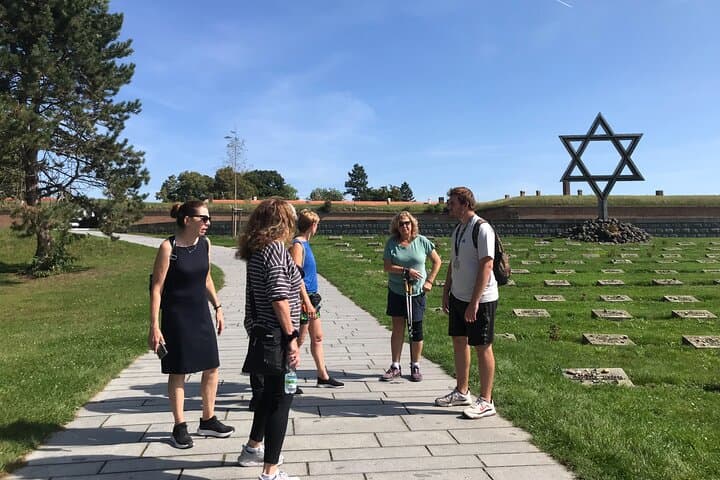
A guided visit with a Holocaust historian moves beyond plaques—expect detailed narratives about the Ghetto Museum, the National Cemetery, the hidden Prayer Room, and the rail spur remains that linked lives to trains. The Small Fortress’s cells and the Magdeburg barracks are stark; certain exhibits are emotionally intense and photographed displays may be restricted.
Practical guidance: allow 4–5 hours from Prague including transport, comfortable walking shoes, and time to reflect at memorial spaces. Tours are wheelchair accessible but check specific vehicle pick-up points. Bring water, dress respectfully, and plan transport back to Prague in advance. The experience is educational and solemn—arrive with questions, patience, and a readiness to listen.
easy.
4–5 hours.
Suitable for most fitness levels; involves standing, walking on cobbles and ramps for several hours
Expect about 4–5 hours total: roughly 1–1.5 hours each way by vehicle and 2–3 hours on-site depending on stops.
Older children and teens can benefit from the history, but content is emotionally heavy—consider maturity before bringing young children.
Many key areas and the transport are wheelchair accessible, though some historic surfaces are uneven; notify the operator of accessibility needs when booking.
Photography rules vary—some exhibits restrict photos out of respect; follow signage and guide instructions.
Terezín was used by the Nazis as a hybrid ghetto and propaganda site; the Small Fortress operated as a Gestapo prison and tens of thousands were deported from here during WWII.
The memorial relies on visitor respect and support; stay on marked paths, avoid disturbing artifacts, and consider donations to local preservation efforts.
Prague: Local Historian Tours operates guided outdoor trips and adventures with an emphasis on safety, stewardship, and memorable experiences.
You arrive from Prague as the road levels and the river plain opens: low walls and red-tiled roofs give way to the austere ring of fortifications that hold Terezín. The air here carries history—wind on the ramparts, footsteps in courtyards once crowded, and the hush of a place that obliges attention.
You arrive from Prague as the road levels and the river plain opens: low walls and red-tiled roofs give way to the austere ring of fortifications that hold Terezín. The air here carries history—wind on the ramparts, footsteps in courtyards once crowded, and the hush of a place that obliges attention.
Terezín (Theresienstadt) served as a ghetto and transit camp during WWII and the Small Fortress operated as a Gestapo prison for political detainees. Geologically the site sits on the Elbe floodplain; the town’s brick barracks and masonry forts reflect 18th-century military engineering adapted into a 20th-century instrument of oppression. Culturally, the town is unique: artists and intellectuals were corralled here, leaving behind clandestine works and a story of resistance and endurance.
A guided visit with a Holocaust historian moves beyond plaques—expect detailed narratives about the Ghetto Museum, the National Cemetery, the hidden Prayer Room, and the rail spur remains that linked lives to trains. The Small Fortress’s cells and the Magdeburg barracks are stark; certain exhibits are emotionally intense and photographed displays may be restricted.
Practical guidance: allow 4–5 hours from Prague including transport, comfortable walking shoes, and time to reflect at memorial spaces. Tours are wheelchair accessible but check specific vehicle pick-up points. Bring water, dress respectfully, and plan transport back to Prague in advance. The experience is educational and solemn—arrive with questions, patience, and a readiness to listen.