THE ADVENTURE COLLECTIVE® · Independent discovery and booking for outdoor travel

Travel by private car from Prague to Terezín for a guided visit to the Small Fortress or Magdeburg Barracks. This 4–5 hour private tour combines historical briefing, memorial exhibitions, and dedicated time for reflection.
Travel by private car from Prague to Terezín for a guided visit to the Small Fortress or Magdeburg Barracks. This 4–5 hour private tour combines historical briefing, memorial exhibitions, and dedicated time for reflection.
You leave Prague’s ring roads and the city’s hum—soon the fields open and the low, stout walls of an 18th-century fortress come into view. Terezín’s ramparts rise like a deliberate interruption in the flat Bohemian countryside; cobbled courtyards and austere stone buildings set the tone before the memorials themselves do.
Verified experiences and guided adventures in the surrounding area.
Operated by Rosotravel - Ostrava City Tours · Terezín, Ústí nad Labem Region
You leave Prague’s ring roads and the city’s hum—soon the fields open and the low, stout walls of an 18th-century fortress come into view. Terezín’s ramparts rise like a deliberate interruption in the flat Bohemian countryside; cobbled courtyards and austere stone buildings set the tone before the memorials themselves do.
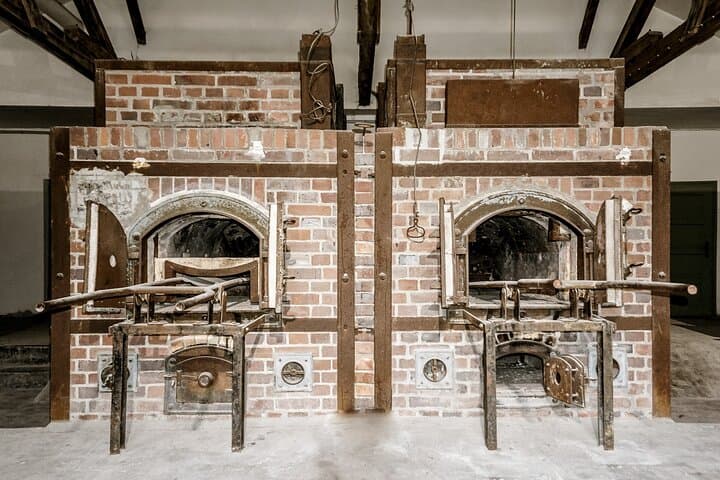
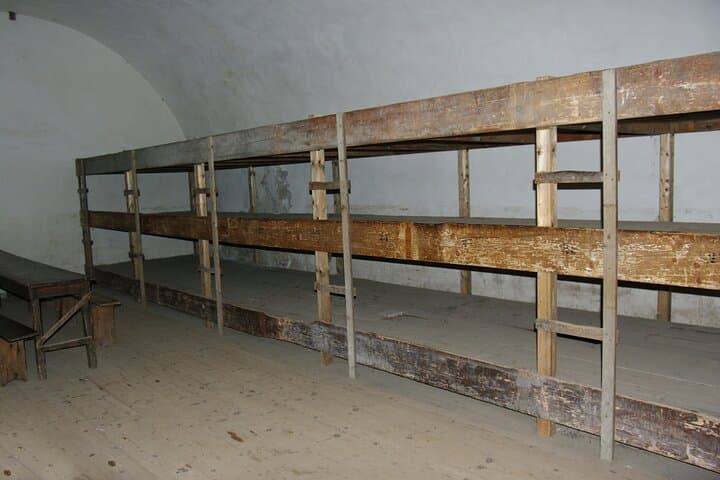
The town began as a Habsburg military fortress in the late 1700s and was repurposed by the Nazis during World War II as a hybrid ghetto and concentration camp known in Nazi propaganda as Theresienstadt. The Small Fortress served as a Gestapo prison; the Magdeburg Barracks housed Jewish self-administration and staged propaganda events. The geology here—river terraces carved by the Elbe and Ohře—made the site strategically firm for fortification and later contained the layers of human history visible today.
Culturally, Terezín is a place of testimony: museums, cell blocks, and curated rooms that preserve documents, art, and personal belongings that survived deportation. Local guides frame the camp within Czech wartime experience and European Holocaust history, balancing dates and facts with survivor voices.
Practical guidance: choose the 4‑hour Small Fortress option for a focused visit or the 5‑hour Magdeburg Barracks option for a fuller, guided narrative. Expect 2 hours of round-trip driving from Prague; the private transfer meets you at your accommodation. Wear comfortable, closed shoes for uneven cobbles, bring water, and allow quiet time for reflection—some areas restrict photography and require respectful silence. The site is largely wheelchair accessible but check specifics before booking. A guided visit here is sober by design: prepare mentally, plan for a mix of indoor exhibitions and exposed outdoor sections, and leave ample time to process what you’ve seen.
easy.
4–5 hours.
Suitable for most visitors who can walk on paved or uneven surfaces; moderate mobility required for some ramps and courtyards.
Transfer time is typically around 1–2 hours round trip depending on your Prague pickup location; the tour lists an estimated 2-hour round-trip transfer included.
Most memorial areas and exhibition spaces are wheelchair accessible, and transport options can be arranged; notify the operator at booking to confirm accessibility needs.
Photography rules vary by building and exhibit—no-flash and no-photography areas exist; follow your guide’s instructions on-site.
Children are allowed but the content is solemn and graphic; consider age-appropriateness and whether a quieter, reflective visit is suitable for younger guests.
Terezín was constructed as a Habsburg fortress in the late 18th century and, under Nazi occupation, served as both a propaganda ‘model’ ghetto and a transit point to extermination camps.
The memorial balances preservation with education—visitors are asked not to touch artifacts, to stay on marked paths, and to support fundraising or local museum efforts when possible.
Rosotravel - Ostrava City Tours operates guided outdoor trips and adventures with an emphasis on safety, stewardship, and memorable experiences.
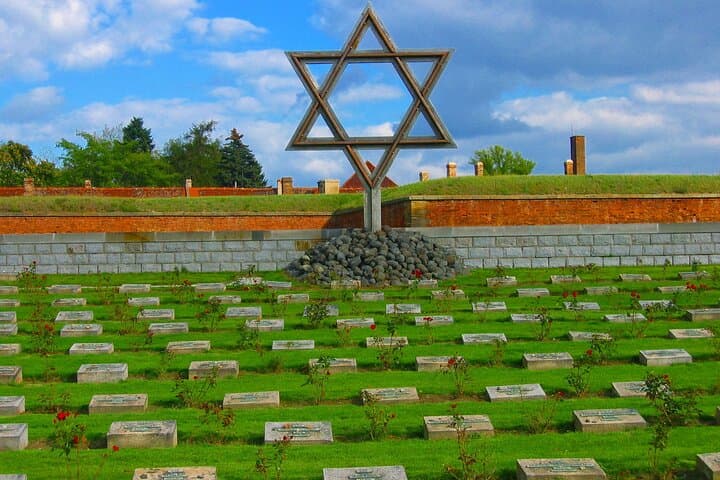
You leave Prague’s ring roads and the city’s hum—soon the fields open and the low, stout walls of an 18th-century fortress come into view. Terezín’s ramparts rise like a deliberate interruption in the flat Bohemian countryside; cobbled courtyards and austere stone buildings set the tone before the memorials themselves do.
You leave Prague’s ring roads and the city’s hum—soon the fields open and the low, stout walls of an 18th-century fortress come into view. Terezín’s ramparts rise like a deliberate interruption in the flat Bohemian countryside; cobbled courtyards and austere stone buildings set the tone before the memorials themselves do.
The town began as a Habsburg military fortress in the late 1700s and was repurposed by the Nazis during World War II as a hybrid ghetto and concentration camp known in Nazi propaganda as Theresienstadt. The Small Fortress served as a Gestapo prison; the Magdeburg Barracks housed Jewish self-administration and staged propaganda events. The geology here—river terraces carved by the Elbe and Ohře—made the site strategically firm for fortification and later contained the layers of human history visible today.
Culturally, Terezín is a place of testimony: museums, cell blocks, and curated rooms that preserve documents, art, and personal belongings that survived deportation. Local guides frame the camp within Czech wartime experience and European Holocaust history, balancing dates and facts with survivor voices.
Practical guidance: choose the 4‑hour Small Fortress option for a focused visit or the 5‑hour Magdeburg Barracks option for a fuller, guided narrative. Expect 2 hours of round-trip driving from Prague; the private transfer meets you at your accommodation. Wear comfortable, closed shoes for uneven cobbles, bring water, and allow quiet time for reflection—some areas restrict photography and require respectful silence. The site is largely wheelchair accessible but check specifics before booking. A guided visit here is sober by design: prepare mentally, plan for a mix of indoor exhibitions and exposed outdoor sections, and leave ample time to process what you’ve seen.