THE ADVENTURE COLLECTIVE® · Independent discovery and booking for outdoor travel

A sober, well‑guided half‑day from Prague brings you to Terezín, the fortified town used as the Theresienstadt ghetto during WWII. This tour combines onsite exhibits, personal testimony and preserved buildings for a factual, emotionally resonant visit.
A sober, well‑guided half‑day from Prague brings you to Terezín, the fortified town used as the Theresienstadt ghetto during WWII. This tour combines onsite exhibits, personal testimony and preserved buildings for a factual, emotionally resonant visit.
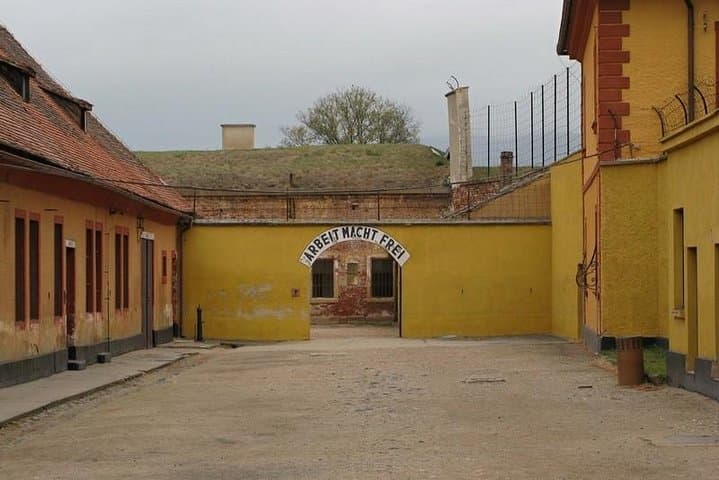
On a clear morning the coach leaves Prague and the flat North Bohemian plain unfurls—fields, a scattering of villages, then the low, angular ramparts of Terezín rise like a geometric wound in the landscape. Entering through the fortress gates, visitors move from commuter hum into a compound of brick barracks, cobbled courtyards and quiet squares where the wind seems to guard memory itself.
Verified experiences and guided adventures in the surrounding area.
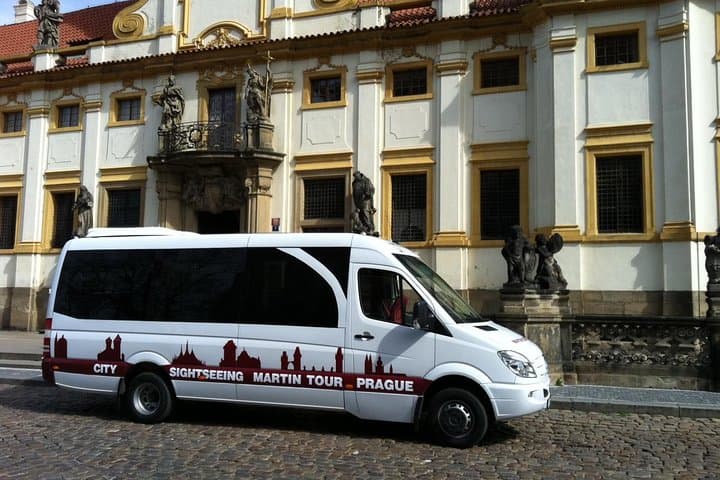
Operated by Martin Tour Prague Ltd. · Terezín, Ústí nad Labem Region
On a clear morning the coach leaves Prague and the flat North Bohemian plain unfurls—fields, a scattering of villages, then the low, angular ramparts of Terezín rise like a geometric wound in the landscape. Entering through the fortress gates, visitors move from commuter hum into a compound of brick barracks, cobbled courtyards and quiet squares where the wind seems to guard memory itself.
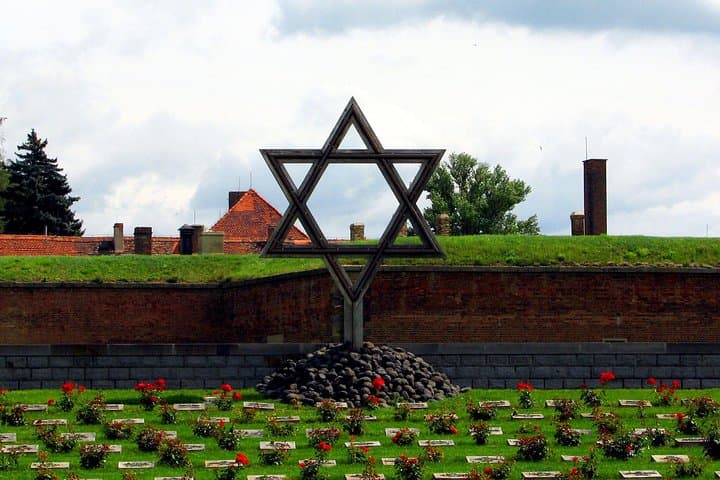
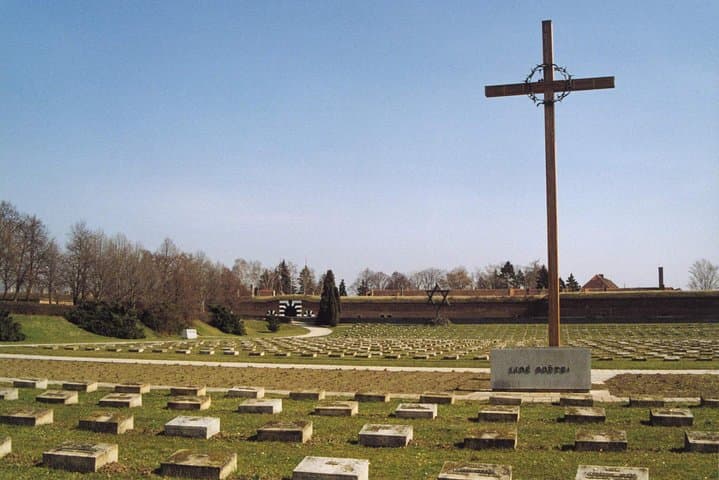
Terezín (Theresienstadt) began as an 18th‑century Habsburg fortress built by Emperor Joseph II; during World War II the Nazis repurposed its fortified town and the Small Fortress nearby as a ghetto, transit camp and prison. The memorial complex contains the Ghetto Museum, preserved barracks, artists’ drawings, and burial sites that document deportations to extermination camps and daily life under imprisonment. Geologically the site sits on the low Elbe–Ohře plain; the stone and brickwork of the fortifications reflect local sedimentary materials and long winters.
A guided half‑day tour frames exhibits with personal testimony and archival context—expect factual, sometimes graphic accounts that require emotional preparation. Practicalities: the tour runs about six hours round‑trip from Prague with guided access to core buildings; surfaces are mostly paved but include steps and narrow passages. Bring a bottle of water, weatherproof layers and comfortable walking shoes; wear muted clothing and speak softly out of respect. Cameras are generally permitted but follow any signage. Passport required for booking; English commentary is provided. Allow time afterward to sit in the memorial garden and absorb the site’s silence—Terezín asks not for spectacle but for remembrance today.
easy.
6 hours (round‑trip from Prague).
Suitable for most fitness levels; involves 1–2 miles of walking on paved and uneven surfaces and some stairs.
The full experience lasts about six hours round‑trip, including coach travel and guided time at the memorial complex.
The tour is physically suitable for children but the subject matter is serious and may be distressing; parents should consider age and maturity.
English commentary is guaranteed on the tour and written materials in other languages may be available on request.
Photography is generally allowed in public areas but follow posted restrictions and the guide’s instructions in sensitive exhibits.
Originally built in the late 18th century as a Habsburg fortress, Terezín was used by the Nazis in WWII as a ghetto and transit camp, and later as a propaganda 'model' camp before mass deportations.
The memorial is maintained by state and private funds; visitors should stick to paths, respect exhibits and consider donating to preservation efforts to support education and upkeep.
Martin Tour Prague Ltd. operates guided outdoor trips and adventures with an emphasis on safety, stewardship, and memorable experiences.
On a clear morning the coach leaves Prague and the flat North Bohemian plain unfurls—fields, a scattering of villages, then the low, angular ramparts of Terezín rise like a geometric wound in the landscape. Entering through the fortress gates, visitors move from commuter hum into a compound of brick barracks, cobbled courtyards and quiet squares where the wind seems to guard memory itself.
On a clear morning the coach leaves Prague and the flat North Bohemian plain unfurls—fields, a scattering of villages, then the low, angular ramparts of Terezín rise like a geometric wound in the landscape. Entering through the fortress gates, visitors move from commuter hum into a compound of brick barracks, cobbled courtyards and quiet squares where the wind seems to guard memory itself.
Terezín (Theresienstadt) began as an 18th‑century Habsburg fortress built by Emperor Joseph II; during World War II the Nazis repurposed its fortified town and the Small Fortress nearby as a ghetto, transit camp and prison. The memorial complex contains the Ghetto Museum, preserved barracks, artists’ drawings, and burial sites that document deportations to extermination camps and daily life under imprisonment. Geologically the site sits on the low Elbe–Ohře plain; the stone and brickwork of the fortifications reflect local sedimentary materials and long winters.
A guided half‑day tour frames exhibits with personal testimony and archival context—expect factual, sometimes graphic accounts that require emotional preparation. Practicalities: the tour runs about six hours round‑trip from Prague with guided access to core buildings; surfaces are mostly paved but include steps and narrow passages. Bring a bottle of water, weatherproof layers and comfortable walking shoes; wear muted clothing and speak softly out of respect. Cameras are generally permitted but follow any signage. Passport required for booking; English commentary is provided. Allow time afterward to sit in the memorial garden and absorb the site’s silence—Terezín asks not for spectacle but for remembrance today.