THE ADVENTURE COLLECTIVE® · Independent discovery and booking for outdoor travel

A focused five‑hour educational tour from Prague that examines the Czech‑Jewish experience at Terezín. Visit the Small Fortress, Ghetto Museum, synagogue, cemetery and crematorium with a guided, artifact‑rich narrative.
A focused five‑hour educational tour from Prague that examines the Czech‑Jewish experience at Terezín. Visit the Small Fortress, Ghetto Museum, synagogue, cemetery and crematorium with a guided, artifact‑rich narrative.
You step off the coach into a town of brick ramparts and empty parade grounds; the wind moves through the fortress like a reluctant guide, carrying the quiet of a place once repurposed for imprisonment and propaganda. The five-hour guided tour threads through the Small Fortress prison, the former Magdeburg Barracks that house the Ghetto Museum, the hidden synagogue, the Jewish cemetery and the crematorium—each space holding objects, drawings and documents that make the historical record painfully immediate.
Verified experiences and guided adventures in the surrounding area.
Operated by Precious Legacy Tours s.r.o · Terezín, Ústí nad Labem Region
You step off the coach into a town of brick ramparts and empty parade grounds; the wind moves through the fortress like a reluctant guide, carrying the quiet of a place once repurposed for imprisonment and propaganda. The five-hour guided tour threads through the Small Fortress prison, the former Magdeburg Barracks that house the Ghetto Museum, the hidden synagogue, the Jewish cemetery and the crematorium—each space holding objects, drawings and documents that make the historical record painfully immediate.
Terezín began as an 18th-century Habsburg military fortress before Nazis converted it into the Theresienstadt ghetto and transit camp in 1941. Geology here is unremarkable—flat river plain soils that framed strategic fortifications—but the human history is dense: songs and clandestine classes persisted alongside deportations. Local culture honors survivors and victims through preserved artifacts and ongoing research in small museum galleries.
Practical guidance: the tour lasts about five hours with mostly level walking on cobbles and museum floors; it’s suitable for most fitness levels but expect uneven surfaces and steps in older buildings. Bring a refillable water bottle, low-profile shoes, and a light waterproof layer—weather can shift quickly. Photography rules vary by exhibit: follow your guide and museum signage. Transport from Prague is typically a 50–70 minute drive; many tours include admissions and guided service. Allow time after the tour to sit quietly near the fortress walls or visit the museum shop—this is not a rushed sightseeing stop but a focused educational experience. Respectful behavior, comfortable footwear, and planning for emotional content will make the visit both informative and humane.
easy.
5 hours.
Suitable for most adults who can walk on flat but uneven ground for several hours; minimal stamina required.
Yes—this tour includes admissions to the Small Fortress and Ghetto Museum as part of the guided itinerary.
Older children and teenagers can benefit from the educational content; parents should consider emotional maturity given the subject matter.
Some museum areas are accessible, but cobblestones, ramps and historic staircases limit access to certain rooms—check with the operator for detailed access information.
Most tours provide coach transport from Prague (about 50–70 minutes). Independent travelers can take regional buses or drive; allow extra time for parking and walking to exhibits.
Built as a Habsburg fortress in the late 18th century, Terezín was converted by Nazis into a ghetto and transit camp in 1941; its dual role as propaganda site and place of suffering is central to its history.
Museums here prioritize artifact conservation and archival care; visitors can support preservation by following rules, not touching exhibits and buying materials from museum shops.
Precious Legacy Tours s.r.o operates guided outdoor trips and adventures with an emphasis on safety, stewardship, and memorable experiences.
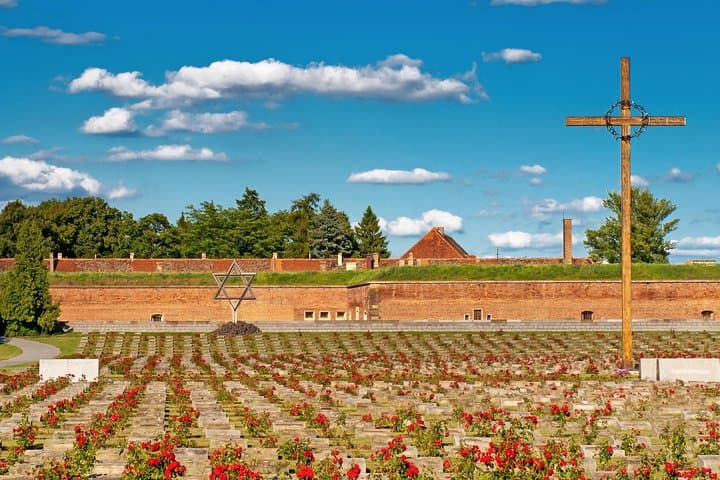
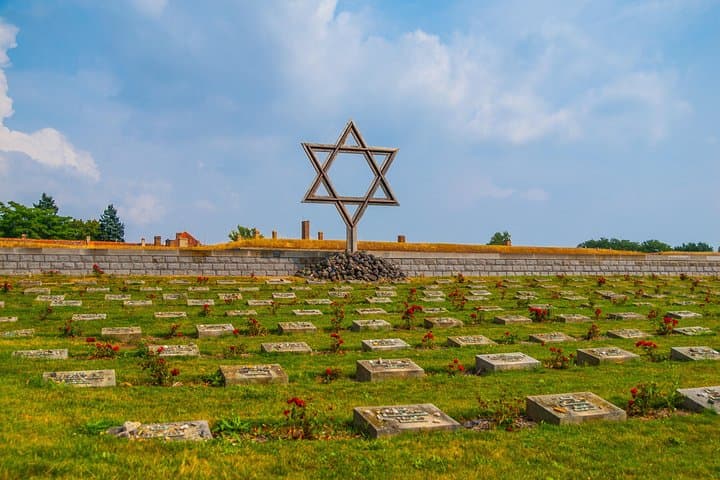
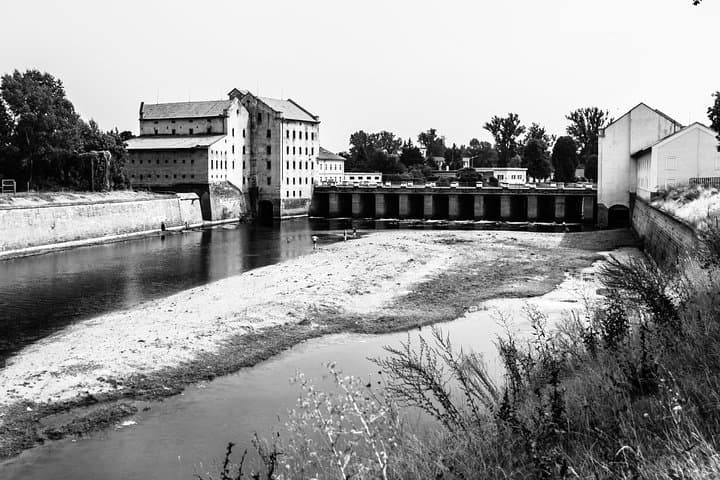
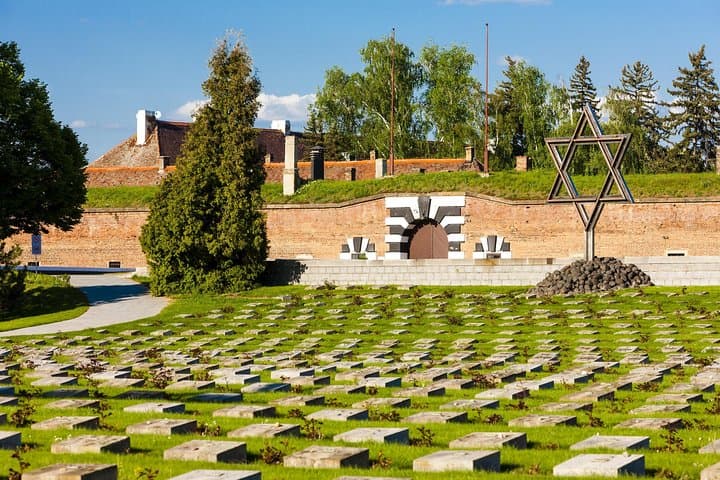
You step off the coach into a town of brick ramparts and empty parade grounds; the wind moves through the fortress like a reluctant guide, carrying the quiet of a place once repurposed for imprisonment and propaganda. The five-hour guided tour threads through the Small Fortress prison, the former Magdeburg Barracks that house the Ghetto Museum, the hidden synagogue, the Jewish cemetery and the crematorium—each space holding objects, drawings and documents that make the historical record painfully immediate.
You step off the coach into a town of brick ramparts and empty parade grounds; the wind moves through the fortress like a reluctant guide, carrying the quiet of a place once repurposed for imprisonment and propaganda. The five-hour guided tour threads through the Small Fortress prison, the former Magdeburg Barracks that house the Ghetto Museum, the hidden synagogue, the Jewish cemetery and the crematorium—each space holding objects, drawings and documents that make the historical record painfully immediate.
Terezín began as an 18th-century Habsburg military fortress before Nazis converted it into the Theresienstadt ghetto and transit camp in 1941. Geology here is unremarkable—flat river plain soils that framed strategic fortifications—but the human history is dense: songs and clandestine classes persisted alongside deportations. Local culture honors survivors and victims through preserved artifacts and ongoing research in small museum galleries.
Practical guidance: the tour lasts about five hours with mostly level walking on cobbles and museum floors; it’s suitable for most fitness levels but expect uneven surfaces and steps in older buildings. Bring a refillable water bottle, low-profile shoes, and a light waterproof layer—weather can shift quickly. Photography rules vary by exhibit: follow your guide and museum signage. Transport from Prague is typically a 50–70 minute drive; many tours include admissions and guided service. Allow time after the tour to sit quietly near the fortress walls or visit the museum shop—this is not a rushed sightseeing stop but a focused educational experience. Respectful behavior, comfortable footwear, and planning for emotional content will make the visit both informative and humane.