THE ADVENTURE COLLECTIVE® · Independent discovery and booking for outdoor travel

Make the short journey from Prague to Terezín for a sobering, deeply educational half-day tour. This practical guide outlines what to expect on-site, travel time, accessibility, and how to prepare for a respectful visit.
Make the short journey from Prague to Terezín for a sobering, deeply educational half-day tour. This practical guide outlines what to expect on-site, travel time, accessibility, and how to prepare for a respectful visit.
You step off the coach into a square of pale, stone walls where wind threads through gun-embrasures and the hush feels deliberate. The fortress of Terezín (Theresienstadt) fills the view: low bastions, barrack blocks, and the formal lines of a town that was re-purposed into a ghetto and prison during World War II.
Verified experiences and guided adventures in the surrounding area.
Operated by Cedok · Terezín, Ústí nad Labem Region
You step off the coach into a square of pale, stone walls where wind threads through gun-embrasures and the hush feels deliberate. The fortress of Terezín (Theresienstadt) fills the view: low bastions, barrack blocks, and the formal lines of a town that was re-purposed into a ghetto and prison during World War II.
Founded as a Habsburg fortress in 1780, the site was later used by the Nazis as a transit ghetto and propaganda “model” before mass deportations. Geology here is ordinary Bohemian lowland—flat fields and loamy soil—so the drama is architectural and human rather than alpine. Cultural traces remain in exhibits, archival rooms, and the famous children’s drawings displayed in the Ghetto Museum. The Small Fortress across the river served as a Gestapo prison; plaques, cemeteries, and preserved cells tell the chronology of repression.
The typical coach tour runs about six hours from Prague (roughly 60 km, about an hour each way) with approximately three hours on site. Expect paved paths, museum rooms, barrack interiors, and fortress ramparts—most areas are accessible but some cells and casemates have tight steps. Guides provide testimony, document interpretation, and context about transport lists and the Red Cross visit used for Nazi propaganda.
Practical guidance: allow quiet time after the tour, wear comfortable walking shoes, and bring a reusable water bottle; weather can shift quickly in Central Bohemia. Photography is generally allowed but be discreet in memorial spaces. This visit is educational and solemn—plan for emotional weight and leave ample time in Prague for reflection afterward.
easy.
6 hours (total).
Suitable for most fitness levels—light walking for up to 3 hours on mostly flat terrain
The coach ride is typically about 50–75 minutes each way depending on traffic—plan for a total tour duration of roughly six hours.
The site is historically important but emotionally intense; older children and teens often benefit from context, while very young children may find it difficult.
Many main paths, exhibition rooms, and memorial areas are wheelchair accessible, though some historic cells and casemates have steps—check with the operator for specifics.
Photography is generally allowed in most areas but should be respectful—avoid flash in exhibit rooms and do not photograph visitors during memorial services.
Originally built in 1780 as a Habsburg fortress, Terezín was turned into a Jewish ghetto and Gestapo prison during WWII and used in Nazi propaganda as a so-called “model” camp before deportations.
The complex is preserved as a national memorial and museum; visits support conservation and education but visitors should minimize wear to original structures and respect exhibits.
Cedok operates guided outdoor trips and adventures with an emphasis on safety, stewardship, and memorable experiences.
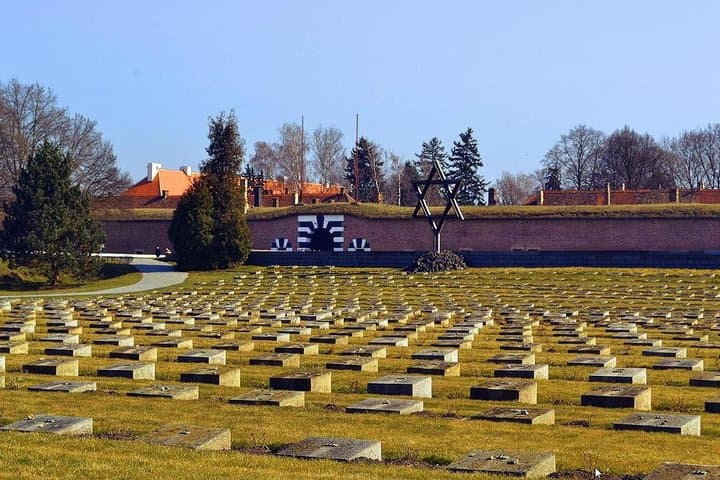
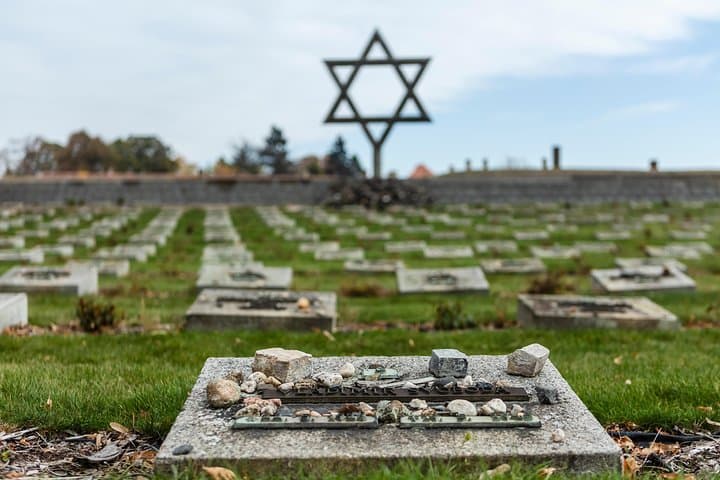
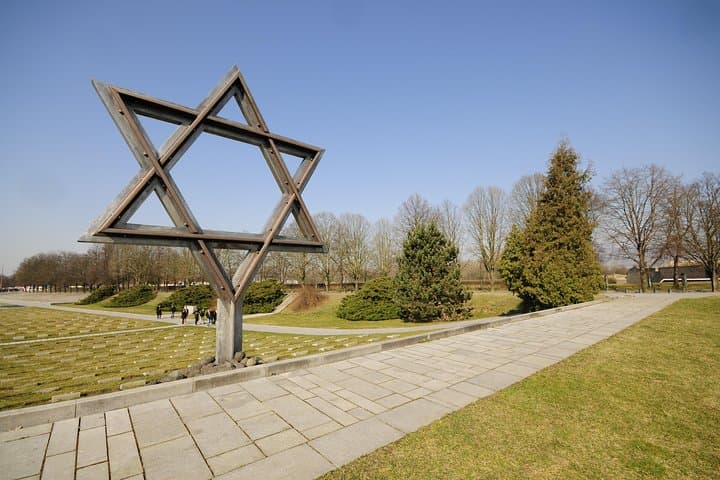
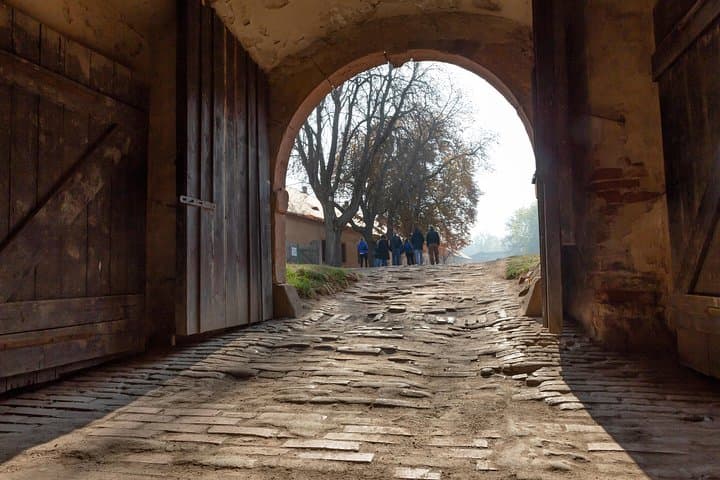
You step off the coach into a square of pale, stone walls where wind threads through gun-embrasures and the hush feels deliberate. The fortress of Terezín (Theresienstadt) fills the view: low bastions, barrack blocks, and the formal lines of a town that was re-purposed into a ghetto and prison during World War II.
You step off the coach into a square of pale, stone walls where wind threads through gun-embrasures and the hush feels deliberate. The fortress of Terezín (Theresienstadt) fills the view: low bastions, barrack blocks, and the formal lines of a town that was re-purposed into a ghetto and prison during World War II.
Founded as a Habsburg fortress in 1780, the site was later used by the Nazis as a transit ghetto and propaganda “model” before mass deportations. Geology here is ordinary Bohemian lowland—flat fields and loamy soil—so the drama is architectural and human rather than alpine. Cultural traces remain in exhibits, archival rooms, and the famous children’s drawings displayed in the Ghetto Museum. The Small Fortress across the river served as a Gestapo prison; plaques, cemeteries, and preserved cells tell the chronology of repression.
The typical coach tour runs about six hours from Prague (roughly 60 km, about an hour each way) with approximately three hours on site. Expect paved paths, museum rooms, barrack interiors, and fortress ramparts—most areas are accessible but some cells and casemates have tight steps. Guides provide testimony, document interpretation, and context about transport lists and the Red Cross visit used for Nazi propaganda.
Practical guidance: allow quiet time after the tour, wear comfortable walking shoes, and bring a reusable water bottle; weather can shift quickly in Central Bohemia. Photography is generally allowed but be discreet in memorial spaces. This visit is educational and solemn—plan for emotional weight and leave ample time in Prague for reflection afterward.