THE ADVENTURE COLLECTIVE® · Independent discovery and booking for outdoor travel

Spend a focused day at Terezín (Theresienstadt) to understand its layered history — fortress, ghetto, and memorial. This practical guide previews what to expect on the full-day tour from Prague, from site highlights to planning tips.
Spend a focused day at Terezín (Theresienstadt) to understand its layered history — fortress, ghetto, and memorial. This practical guide previews what to expect on the full-day tour from Prague, from site highlights to planning tips.
You step off the train into a small town where the brick-red fortress walls rise like historical punctuation, wind threading between barracks and courtyards. The air carries the low murmur of guides and the distant rustle of memorial plaques; here, architecture and silence do the storytelling.
Verified experiences and guided adventures in the surrounding area.
Operated by Discover Prague Tours · Terezín, Ústí nad Labem Region
You step off the train into a small town where the brick-red fortress walls rise like historical punctuation, wind threading between barracks and courtyards. The air carries the low murmur of guides and the distant rustle of memorial plaques; here, architecture and silence do the storytelling.
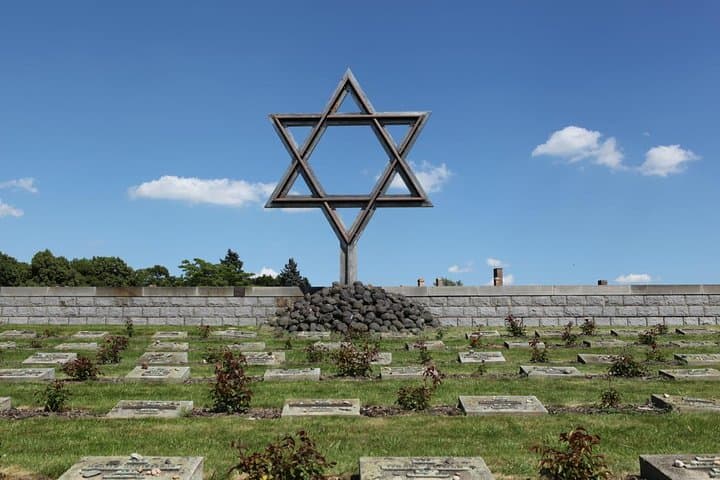
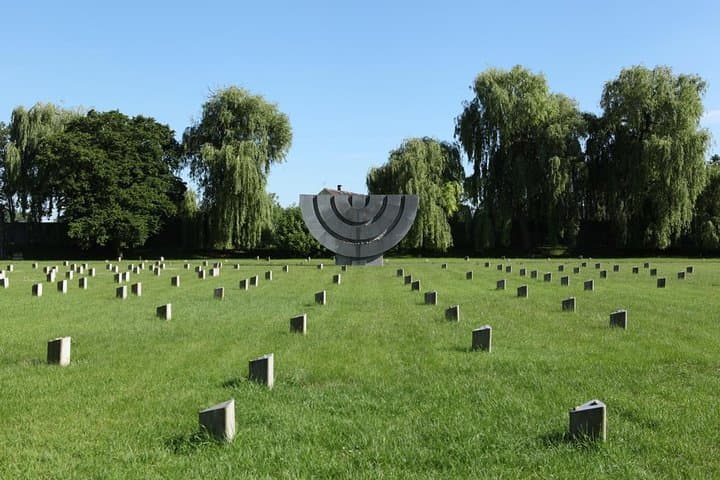
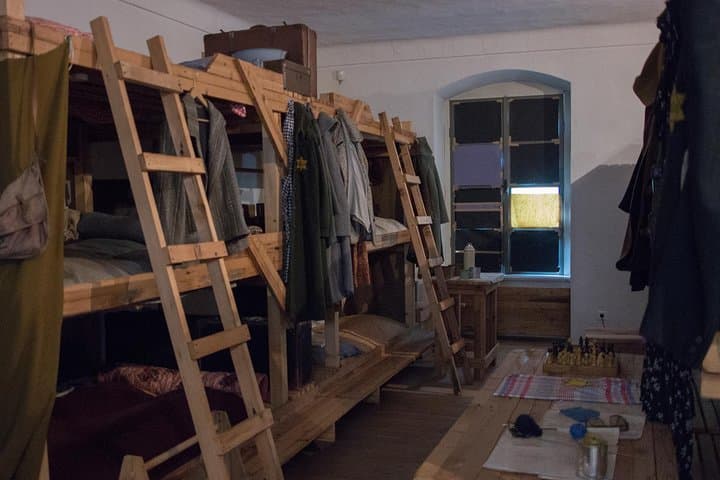
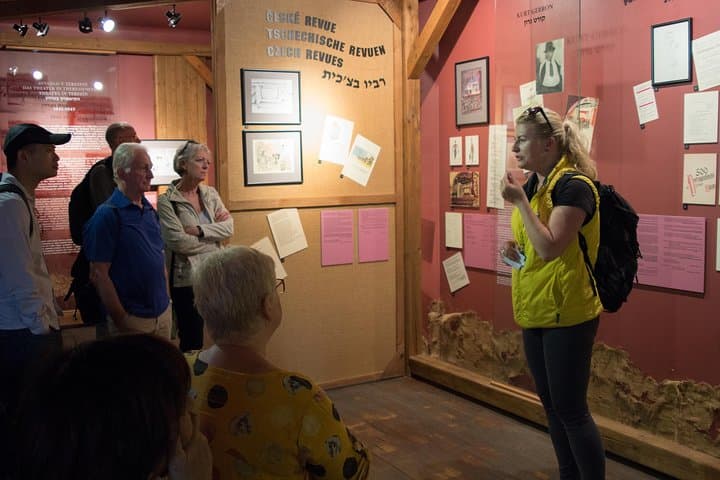
Terezín (Theresienstadt) began as an 18th-century Habsburg fortress before the Nazis repurposed it during World War II as a ghetto and transit camp. The town’s austere fortifications, designed to control movement, now enclose museums, barracks and cemeteries that document the camp’s role in the Holocaust and the cultural life forced within its walls — music, theatre and art created under duress.
Geology and landscape matter: the camp sits on the low rolling plains north of Prague, soils that allowed for quick construction of ramparts and barracks, and open skies that emphasize exposure rather than shelter. Local culture is shaped by memory work; guides aim for factual clarity while honoring those who suffered here.
Practical guidance: the full-day excursion runs about 7–8 hours including public-transport transfers. Expect periods of walking on uneven cobbles and gravel; wear sturdy shoes and layer for variable weather. Photography is generally allowed in outdoor areas but follow signs indoors and respect quiet zones. Bring water, identification and a printed or mobile ticket; queues can form in peak season.
This tour is an instructive, solemn experience — one that combines hard history with clear logistics so visitors can engage thoughtfully and return to Prague informed and reflective.
moderate.
7–8 hours.
Comfortable on your feet for several hours and able to walk on cobblestones and gravel; some standing during guided talks.
Yes — the tour includes a round-trip ticket from/to Prague on public transport as part of the booking.
Children are permitted but must be accompanied by an adult; children aged 6–12 are half price with purchase at the meeting point per provider notes.
Photography is generally restricted in some interior exhibits—follow posted signs and your guide’s instructions to avoid prohibited areas.
For a full refund cancel at least 24 hours before the scheduled departure; tours may be cancelled by the operator if minimum numbers aren’t met.
Terezín was constructed in the late 18th century by the Habsburgs as a fortress; during WWII it became the Theresienstadt ghetto and transit camp used by the Nazis.
The site operates as a memorial and museum—stay on paths, avoid touching exhibits, and support preservation by following rules and purchasing tickets.
Discover Prague Tours operates guided outdoor trips and adventures with an emphasis on safety, stewardship, and memorable experiences.
You step off the train into a small town where the brick-red fortress walls rise like historical punctuation, wind threading between barracks and courtyards. The air carries the low murmur of guides and the distant rustle of memorial plaques; here, architecture and silence do the storytelling.
You step off the train into a small town where the brick-red fortress walls rise like historical punctuation, wind threading between barracks and courtyards. The air carries the low murmur of guides and the distant rustle of memorial plaques; here, architecture and silence do the storytelling.
Terezín (Theresienstadt) began as an 18th-century Habsburg fortress before the Nazis repurposed it during World War II as a ghetto and transit camp. The town’s austere fortifications, designed to control movement, now enclose museums, barracks and cemeteries that document the camp’s role in the Holocaust and the cultural life forced within its walls — music, theatre and art created under duress.
Geology and landscape matter: the camp sits on the low rolling plains north of Prague, soils that allowed for quick construction of ramparts and barracks, and open skies that emphasize exposure rather than shelter. Local culture is shaped by memory work; guides aim for factual clarity while honoring those who suffered here.
Practical guidance: the full-day excursion runs about 7–8 hours including public-transport transfers. Expect periods of walking on uneven cobbles and gravel; wear sturdy shoes and layer for variable weather. Photography is generally allowed in outdoor areas but follow signs indoors and respect quiet zones. Bring water, identification and a printed or mobile ticket; queues can form in peak season.
This tour is an instructive, solemn experience — one that combines hard history with clear logistics so visitors can engage thoughtfully and return to Prague informed and reflective.