THE ADVENTURE COLLECTIVE® · Independent discovery and booking for outdoor travel

Spend a full day east of Ulaanbaatar exploring Terelj’s dramatic granite tors, riding a horse across open meadows, and visiting the 40-meter Chinggis Khaan statue. This accessible day tour mixes short hikes, cultural stops and landscape photography opportunities.
Spend a full day east of Ulaanbaatar exploring Terelj’s dramatic granite tors, riding a horse across open meadows, and visiting the 40-meter Chinggis Khaan statue. This accessible day tour mixes short hikes, cultural stops and landscape photography opportunities.
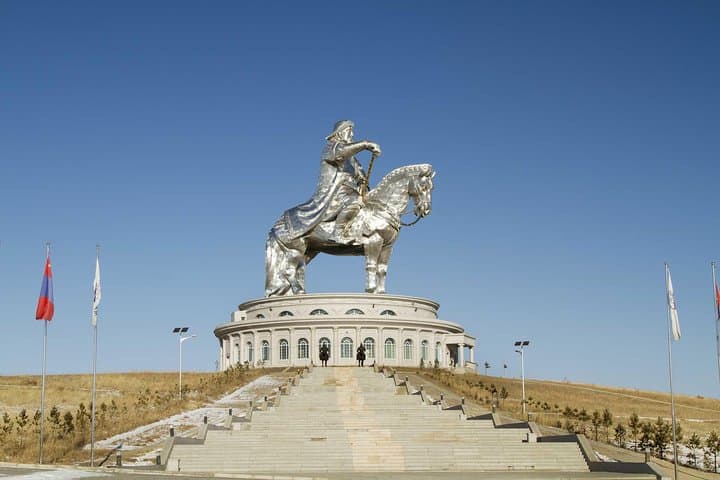
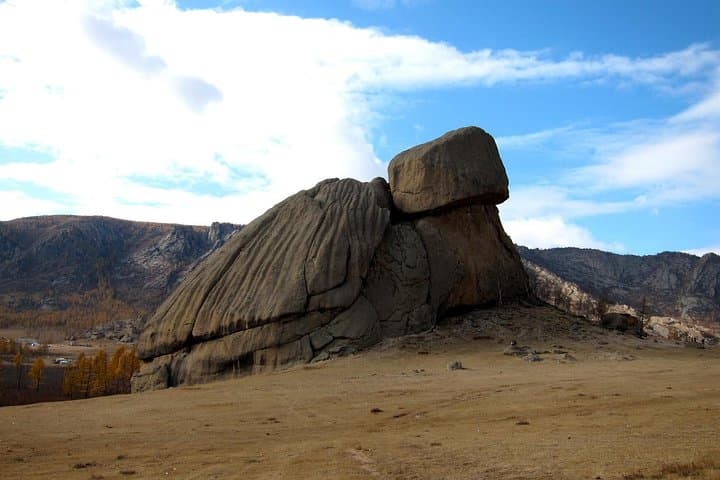
A morning highway out of Ulaanbaatar peels the city away and suddenly granite towers loom—rounded tors and stacked boulders that push and pry the sky apart. In Terelj National Park the rocks seem to dare you closer; narrow trails thread between cliffs, and wind-scoured meadows open to sudden views of distant steppe. By afternoon the stainless-steel silhouette of Chinggis Khaan rises on horseback at Tsonjin Boldog, forty meters of polished metal catching the late light like a challenge.
Verified experiences and guided adventures in the surrounding area.
Operated by Mongolian Tour Guide · Ulaanbaatar, Töv Province
A morning highway out of Ulaanbaatar peels the city away and suddenly granite towers loom—rounded tors and stacked boulders that push and pry the sky apart. In Terelj National Park the rocks seem to dare you closer; narrow trails thread between cliffs, and wind-scoured meadows open to sudden views of distant steppe. By afternoon the stainless-steel silhouette of Chinggis Khaan rises on horseback at Tsonjin Boldog, forty meters of polished metal catching the late light like a challenge.
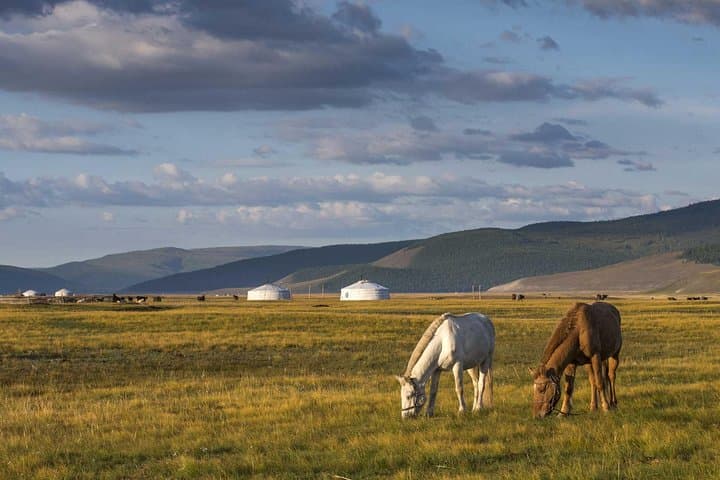
Geology here is immediate: exposed granite shaped by freeze-thaw and wind, creating the stacked forms Mongolians compare to turtles and monks. Historically the area sits along routes used by nomads; Tsonjin Boldog is tied to the origin story of Genghis Khaan’s golden whip, now memorialized in the vast equestrian monument. Culture is visible in small temples and the ger camps that serve tea and boiled mutton, and in mounted horse riders who still use these valleys.
Expect a mix of short walks and optional horse riding, photography stops, and a chance to visit a small Buddhist temple. Trails are mostly well-trodden but uneven; sections can be sandy or rocky. Plan for strong sun, sudden wind, and temperature swings between valley and ridge. Carry water, dress in layers, and allow time for photos at the statue complex where a lift takes visitors up inside the horse to a viewing platform. This one-day loop balances light adventure with cultural context—ideal for travelers who want breath—literal and historical—in a single day outside the capital.
easy.
8 hours.
Suitable for people who can walk 2–4 miles over uneven ground and mount a horse for short rides.
The transfer is about 65–75 km east of the city, roughly 1.5–2 hours each way depending on traffic and road conditions.
Yes—short, guided rides are available for beginners; guides provide basic instruction and safe mounts appropriate to skill level.
Typically park access is informal; the tour price usually covers transportation, lunch and monument access—confirm what’s included at booking.
It runs year-round but winter brings deep cold, snow and limited road access—check cancellation policies and dress for sub-zero temperatures.
Tsonjin Boldog is traditionally linked to the story of Genghis Khaan finding his golden whip; the modern statue memorializes Mongolia’s imperial past and national identity.
Increasing tourism strains fragile grasslands—stick to trails, pack out waste, and choose operators who use local guides and manage horse welfare.
Mongolian Tour Guide operates guided outdoor trips and adventures with an emphasis on safety, stewardship, and memorable experiences.
A morning highway out of Ulaanbaatar peels the city away and suddenly granite towers loom—rounded tors and stacked boulders that push and pry the sky apart. In Terelj National Park the rocks seem to dare you closer; narrow trails thread between cliffs, and wind-scoured meadows open to sudden views of distant steppe. By afternoon the stainless-steel silhouette of Chinggis Khaan rises on horseback at Tsonjin Boldog, forty meters of polished metal catching the late light like a challenge.
A morning highway out of Ulaanbaatar peels the city away and suddenly granite towers loom—rounded tors and stacked boulders that push and pry the sky apart. In Terelj National Park the rocks seem to dare you closer; narrow trails thread between cliffs, and wind-scoured meadows open to sudden views of distant steppe. By afternoon the stainless-steel silhouette of Chinggis Khaan rises on horseback at Tsonjin Boldog, forty meters of polished metal catching the late light like a challenge.
Geology here is immediate: exposed granite shaped by freeze-thaw and wind, creating the stacked forms Mongolians compare to turtles and monks. Historically the area sits along routes used by nomads; Tsonjin Boldog is tied to the origin story of Genghis Khaan’s golden whip, now memorialized in the vast equestrian monument. Culture is visible in small temples and the ger camps that serve tea and boiled mutton, and in mounted horse riders who still use these valleys.
Expect a mix of short walks and optional horse riding, photography stops, and a chance to visit a small Buddhist temple. Trails are mostly well-trodden but uneven; sections can be sandy or rocky. Plan for strong sun, sudden wind, and temperature swings between valley and ridge. Carry water, dress in layers, and allow time for photos at the statue complex where a lift takes visitors up inside the horse to a viewing platform. This one-day loop balances light adventure with cultural context—ideal for travelers who want breath—literal and historical—in a single day outside the capital.