THE ADVENTURE COLLECTIVE® · Independent discovery and booking for outdoor travel

Escape Ulaanbaatar for a full day among granite outcrops, open steppe, and the towering Chinggis Khaan statue. Hike, meet a nomadic family, and optionally ride a horse to feel Mongolia’s equestrian roots.
Escape Ulaanbaatar for a full day among granite outcrops, open steppe, and the towering Chinggis Khaan statue. Hike, meet a nomadic family, and optionally ride a horse to feel Mongolia’s equestrian roots.
A wind-swept steppe opens as your minivan climbs out of Ulaanbaatar, and within an hour the city’s hum thins to a quiet of grasses and stony ridges. The 40-meter Genghis Khan statue looms on the plain—an enormous metal horseman pointing east—its polished silhouette catching the Mongolian light while a small museum beneath anchors the modern story of an ancient empire.
Verified experiences and guided adventures in the surrounding area.
Operated by Discover Mongolia Travel · Ulaanbaatar, Töv Province
A wind-swept steppe opens as your minivan climbs out of Ulaanbaatar, and within an hour the city’s hum thins to a quiet of grasses and stony ridges. The 40-meter Genghis Khan statue looms on the plain—an enormous metal horseman pointing east—its polished silhouette catching the Mongolian light while a small museum beneath anchors the modern story of an ancient empire.
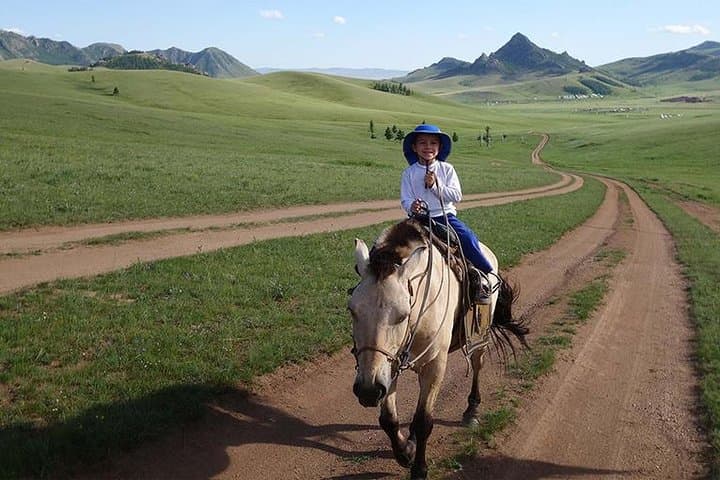
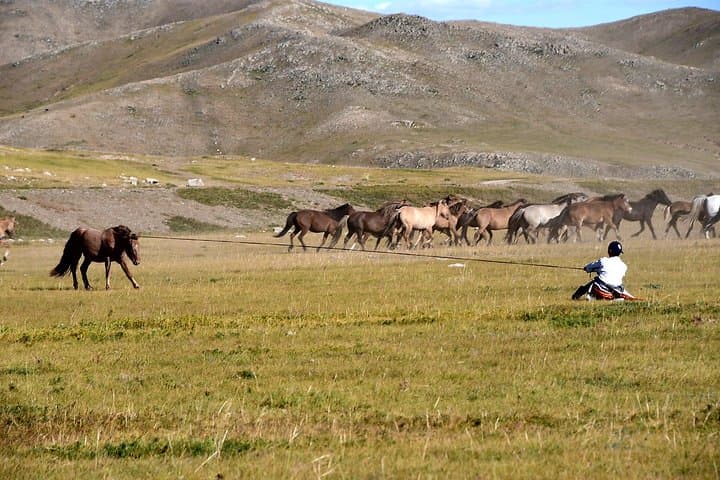
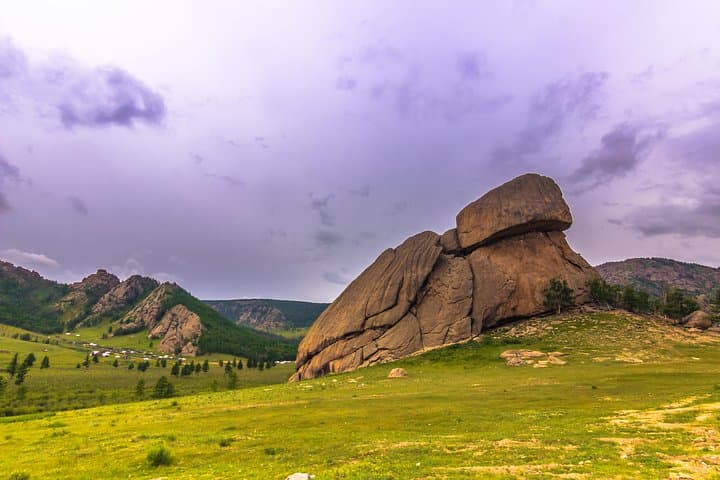
Terelj’s landscape shifts from open steppe to serrated granite outcrops and river-fed meadows. Geologically, the area is a mosaic of Devonian metamorphic rock and glacially influenced valleys; Turtle Rock (Melkhii Khad) and nearby granite domes make for easy scrambling and sharp viewpoints. Culturally, the day includes a visit to a local nomadic family — ger life, dairy-based meals, and the practical rhythm of herding are on show — and an optional hour-long horseback ride that speaks to Mongolia’s equestrian traditions.
Expect wide-open skies, brisk winds that seem to push you forward, and a short guided hike over uneven trail with intermittent steps. The park’s small tourist camps serve simple Mongolia-style lunch and bottled water; restrooms are basic. Wildlife sightings can include marmots popping from burrows and raptors riding thermals. Photographic light is best in morning and late afternoon; midday can wash out the steppe.
Practical note: wear sturdy shoes, layer for wind and sun, and carry identification (passport details are required for booking). The tour is suitable for most fitness levels, runs 6–8 hours round-trip from Ulaanbaatar, and gives a compact, tangible introduction to Mongolia’s landscape, history, and living nomadic culture.
moderate.
6–8 hours.
Suitable for most people who can walk 2–4 hours on uneven ground; some short uphill sections.
The round-trip day tour typically includes 1–1.5 hours each way to the statue and park, with 4–5 hours spent exploring Terelj and nearby sites.
Horseback riding is usually optional and available for an extra fee; rides are often around one hour and suitable for beginners with guidance.
The tour lists wheelchair-accessible transportation, but some walking terrain at viewpoints and camps is uneven—check with the operator about specific accessibility needs.
Bring modest, respectful clothing and small gifts like useful household items or snacks if you wish; ask the guide for cultural etiquette tips beforehand.
The Genghis Khan statue marks both a modern national symbol and Mongolia’s imperial past; Terelj has long been used for seasonal grazing and as a waypoint for nomadic families.
Stay on marked trails, avoid disturbing grazing animals, and support local camps that follow low-impact practices—waste and over-visiting are the park’s main pressures.
Discover Mongolia Travel operates guided outdoor trips and adventures with an emphasis on safety, stewardship, and memorable experiences.
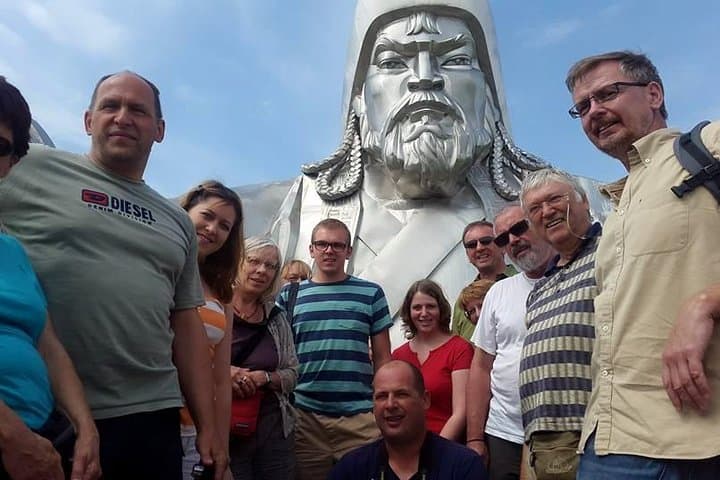
A wind-swept steppe opens as your minivan climbs out of Ulaanbaatar, and within an hour the city’s hum thins to a quiet of grasses and stony ridges. The 40-meter Genghis Khan statue looms on the plain—an enormous metal horseman pointing east—its polished silhouette catching the Mongolian light while a small museum beneath anchors the modern story of an ancient empire.
A wind-swept steppe opens as your minivan climbs out of Ulaanbaatar, and within an hour the city’s hum thins to a quiet of grasses and stony ridges. The 40-meter Genghis Khan statue looms on the plain—an enormous metal horseman pointing east—its polished silhouette catching the Mongolian light while a small museum beneath anchors the modern story of an ancient empire.
Terelj’s landscape shifts from open steppe to serrated granite outcrops and river-fed meadows. Geologically, the area is a mosaic of Devonian metamorphic rock and glacially influenced valleys; Turtle Rock (Melkhii Khad) and nearby granite domes make for easy scrambling and sharp viewpoints. Culturally, the day includes a visit to a local nomadic family — ger life, dairy-based meals, and the practical rhythm of herding are on show — and an optional hour-long horseback ride that speaks to Mongolia’s equestrian traditions.
Expect wide-open skies, brisk winds that seem to push you forward, and a short guided hike over uneven trail with intermittent steps. The park’s small tourist camps serve simple Mongolia-style lunch and bottled water; restrooms are basic. Wildlife sightings can include marmots popping from burrows and raptors riding thermals. Photographic light is best in morning and late afternoon; midday can wash out the steppe.
Practical note: wear sturdy shoes, layer for wind and sun, and carry identification (passport details are required for booking). The tour is suitable for most fitness levels, runs 6–8 hours round-trip from Ulaanbaatar, and gives a compact, tangible introduction to Mongolia’s landscape, history, and living nomadic culture.